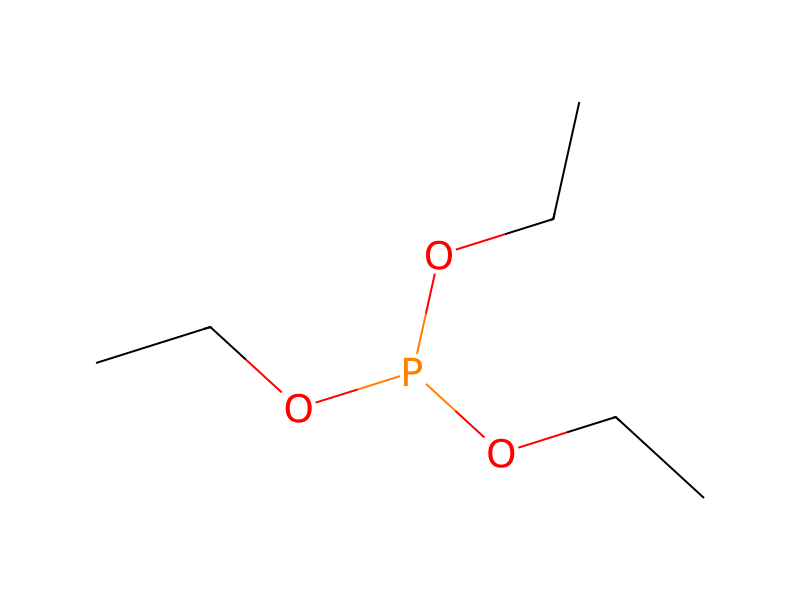
Cl[CH2:2][C:3]1[CH:11]=[CH:10][C:6]([C:7]([NH2:9])=[O:8])=[CH:5][CH:4]=1.P(OCC)(OCC)OCC.[I-].[K+].[CH2:24]([N:31]1[CH2:36][CH2:35][C:34](=O)[CH2:33][CH2:32]1)[C:25]1[CH:30]=[CH:29][CH:28]=[CH:27][CH:26]=1.CC(C)([O-])C.[K+]>O.CN(C)C=O.C(#N)C>[CH2:24]([N:31]1[CH2:36][CH2:35][C:34](=[CH:2][C:3]2[CH:11]=[CH:10][C:6]([C:7]([NH2:9])=[O:8])=[CH:5][CH:4]=2)[CH2:33][CH2:32]1)[C:25]1[CH:30]=[CH:29][CH:28]=[CH:27][CH:26]=1The compound (25.0 g, 0.147 mol) obtained in Example 1, triethyl phosphite (29.4 g, 0.177 mol), potassium iodide (22.0 g, 0.133 mol) and acetonitrile (125 mL) were charged and stirred under reflux for 3 hrs. The reaction mixture was allowed to return to room temperature, and concentrated under reduced pressure. To the residue were added N,N-dimethylformamide (100 mL) and 1-benzyl-4-piperidone (30.6 g, 0.162 mol), and the mixture was stirred under ice-cooling. Potassium t-butoxide (23.1 g, 0.206 mol) was added in 3 portions at 15 min. intervals. The reaction mixture was stirred at room temperature for 45 min. Water (400 mL) was dropwise added under ice-cooling, and the mixture was stirred for 30 min. Crystals were collected by filtration, washed with cold water (180 mL) and dried in vacuo at 40° C. to give the title compound (38.7 g, yield 85.2%) as pale-yellow powdery crystals.