Reaction equation

C[O:2][C:3](=O)[CH2:4][C:5]1[NH:6][C:7]2[C:12]([C:13]=1[S:14][CH3:15])=[CH:11][C:10]([Cl:16])=[CH:9][CH:8]=2.[H-].[Al+3].[Li+].[H-].[H-].[H-].O.O.O.O.O.O.O.O.O.O.S([O-])([O-])(=O)=O.[Na+].[Na+]>CCOCC>[Cl:16][C:10]1[CH:11]=[C:12]2[C:7](=[CH:8][CH:9]=1)[NH:6][C:5]([CH2:4][CH2:3][OH:2])=[C:13]2[S:14][CH3:15]Participants
5




Procedure
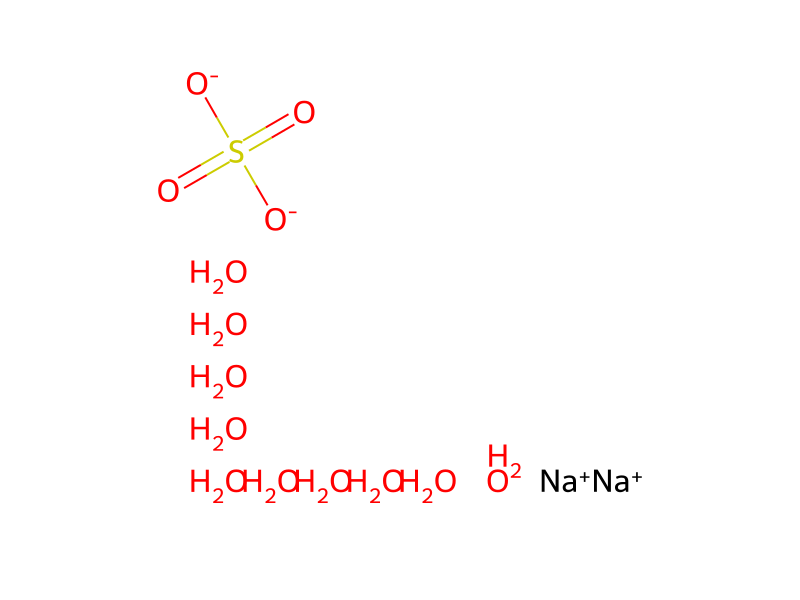
To a solution of (5-chloro-3-methylsulfanyl-1H-indol-2-yl)-acetic acid methyl ester (0.252 g, 0.93 mmole) in ether (10 ml) was added 0.93 ml of a 1M solution of lithium aluminum hydride in ether at room temperature. The reaction mixture was stirred for 15 minutes, after which time sodium sulfate decahydrate (1 g) was cautiously added. The reaction mixture was stirred for an hour at room temperature, filtered, and the filtrate evaporated to dryness. The crude alcohol was purified by column chromatography (silica gel) using 7:3 hexane:ethyl acetate as the eluting solvent. The pure 2-(5-chloro-3-methylsulfanyl-1H-indol-2-yl)-ethanol was isolated as a pale solid (0.191 g, 84% yield).
Workup
- stirringThe reaction mixture was stirred for an hour at room temperature
- filtrationfiltered
- customthe filtrate evaporated to dryness
- customThe crude alcohol was purified by column chromatography (silica gel)
Sources & evidence
- ORD record
- ord-a4e26d10e9de41e7b1672cfefe6736c6
- Source dataset
- uspto-grants-2005_02
- Patent number
- US06852726B2
Linked notes
Loading…