HomeMCPWorkbenchSkills
HomeWorkbenchNotificationsMe
llms.txt · MCP GuidePrivacy Policy · Terms of Service · Supportv1.8.3
  1. Home
  2. /Reaction

Hexamethyldisilazane → HCID 178504300, compound

HRID 234102
Print

Reaction equation

HRID 234102 reaction equation
[NH:1]1[CH:8]=[CH:7][C:5](N)=[N:4][C:2]1=[O:3].[CH3:9][Si:10]([CH3:17])([CH3:16])[NH:11][Si:12]([CH3:15])([CH3:14])[CH3:13].S([O-])([O-])(=O)=O.[NH4+].[NH4+]>ClCCl>[CH3:9][Si:10]([N:11]([Si:12]([CH3:15])([CH3:14])[CH3:13])[C:8]1[CH:7]=[CH:5][NH:4][C:2](=[O:3])[N:1]=1)([CH3:17])[CH3:16]
ParticipantsConditionsProcedureWorkupSources & evidenceReaction notes

Participants

5

Reactant 3

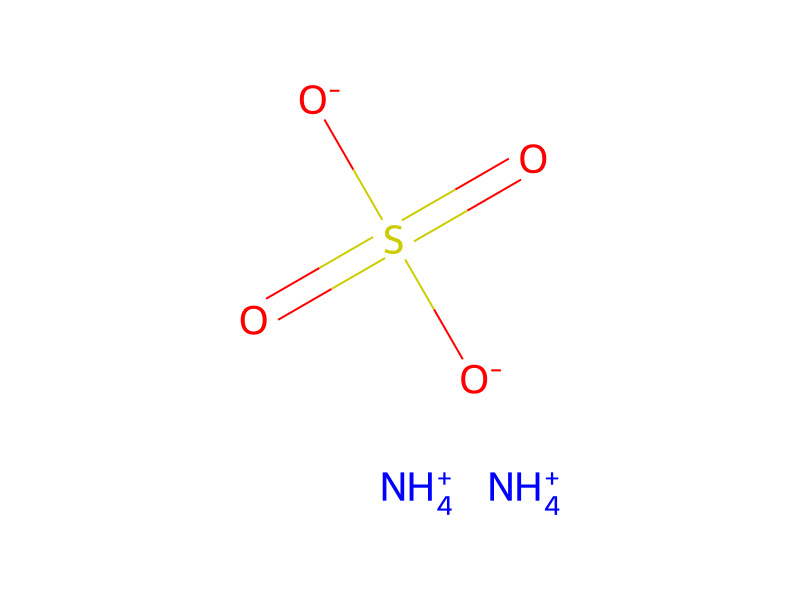
HCID 13838HexamethyldisilazaneHCID 6097028Ammonium SulfateHCID 178418229Cytosine

Product 1

HCID 178504300HCID 178504300, compound

Reagents, catalysts & solvents 1

HCID 6344DichloromethaneSolvent

Conditions

Temperature
27 °C

Procedure

To 5.78 g of cytosine were added 112 ml of hexamethyldisilazane and 50 mg of ammonium sulfate. The mixture was heated to 115° C.-120° C. for 3 hours with stirring and the excess hexamethyldisilazane was subsequently removed. This solution was then cooled to 27° C. and a solid residue formed which was reconstituted in 35 ml of dichloromethane to form a homogenous bis-trimethylsilylcytosine solution.

Workup

  1. temperatureThe mixture was heated to 115° C.-120° C. for 3 hours
  2. customthe excess hexamethyldisilazane was subsequently removed
  3. customa solid residue formed which

Sources & evidence

ORD record
ord-f91c47a9b0684e798e7acdf1e2968885
Source dataset
uspto-grants-1997_01
DOI
10.6084/m9.figshare.5104873.v1
Patent number
US05594124

Reaction notes

On this pageParticipantsConditionsProcedureWorkupSources & evidenceReaction notes