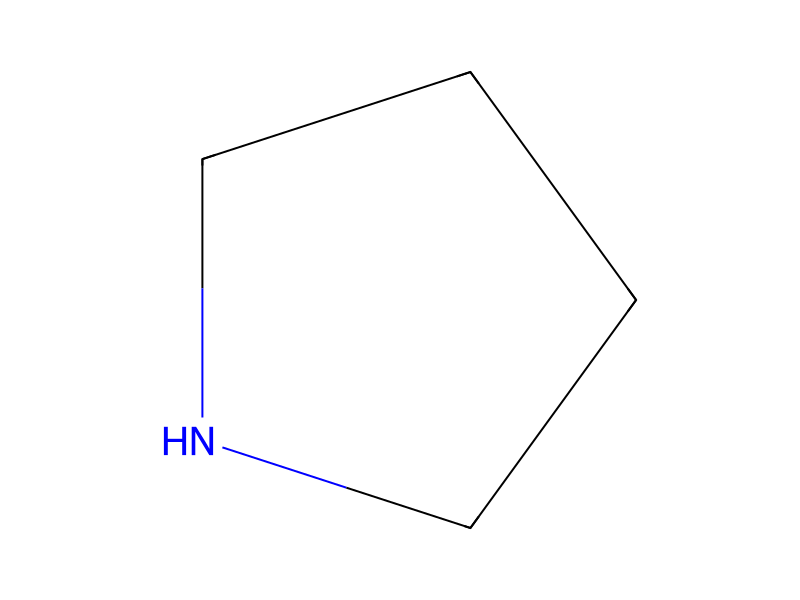
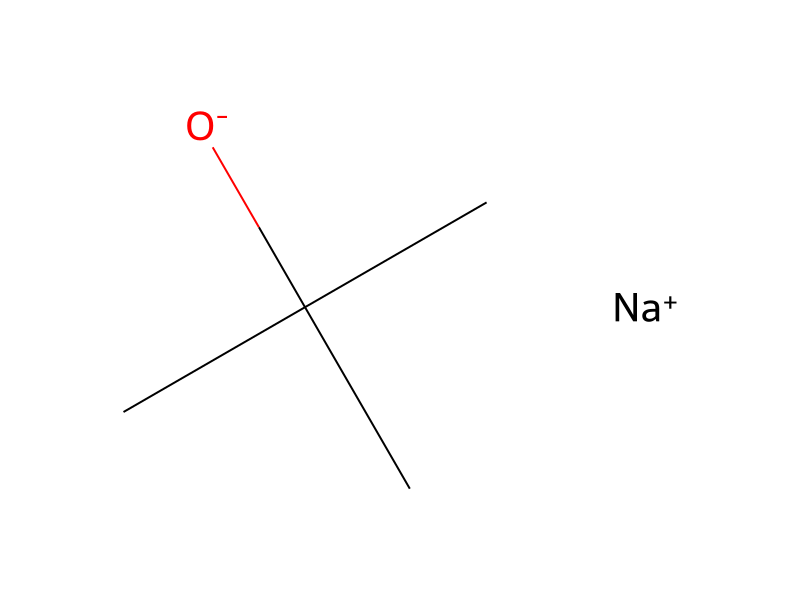
Br[C:2]1[C:3]([CH2:10][O:11][CH2:12][O:13][CH3:14])=[N:4][C:5]([O:8][CH3:9])=[CH:6][CH:7]=1.CC(C)([O-])C.[Na+].[NH:21]1[CH2:25][CH2:24][CH2:23][CH2:22]1>C1(C)C=CC=CC=1>[CH3:9][O:8][C:5]1[N:4]=[C:3]([CH2:10][O:11][CH2:12][O:13][CH3:14])[C:2]([N:21]2[CH2:25][CH2:24][CH2:23][CH2:22]2)=[CH:7][CH:6]=1A solution of 3-bromo-6-methoxy-2-(methoxymethyloxy)methylpyridine (324.6 mg, 1.24 mmol), tris(dibenzylideneacetone)(chloroform)dipalladium(0) (32.7 mg, 0.03 mmol), (2-biphenyl)di-t-butylphosphine (18.5 mg, 0.06 mmol), sodium t-butoxide (357 mg, 3.71 mmol) and pyrrolidine (640 mg, 3.74 mmol) in toluene (4.5 mL) was stirred at 135° C. for 3 hours in a sealed tube. The reaction mixture was extracted with chloroform/water, and the organic layer was washed with saturated brine, then dried over anhydrous sodium sulfate, and concentrated under reduced pressure. The resulting residue was purified by preparative silica gel thin layer chromatography (hexane:ethyl acetate=3:1) to obtain 6-methoxy-2-(methoxymethyloxy)methyl-3-(pyrrolidin-1-yl)pyridine (42.7 mg, 14%) as yellow oil.