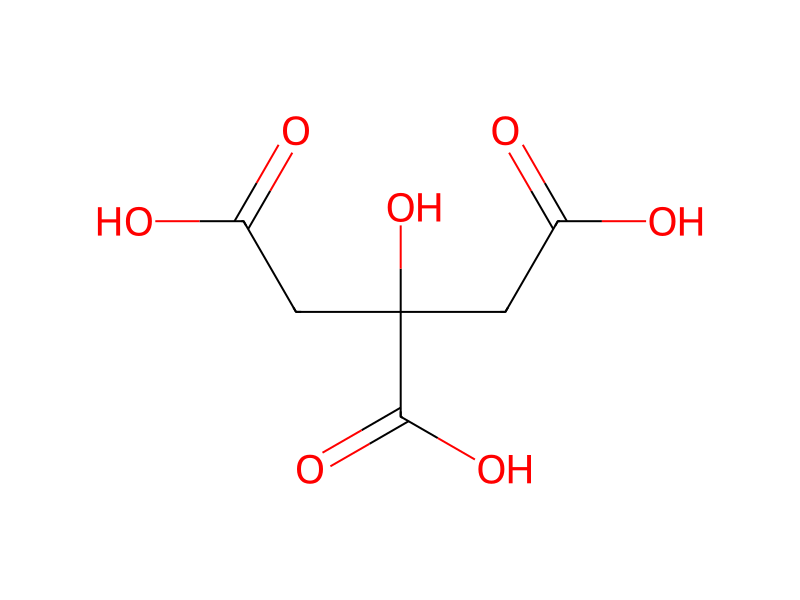
A solution of n-octanol (13.3 g, 0.102 mol), in THF (224 mL) was treated with 1.0 M potassium t-butoxide in THF (112 mL, 1.1 equiv) at room temperature and heated to 65° C. After 15 minutes, a solution of 1-[4-fluoro-3-(trifluoromethyl)phenyl]ethanone (21 g, 1.0 equiv) in THF (224 mL) was charged slowly over 30 minutes. Vigorous gas evolution was noted during the addition. The reaction was monitored by HPLC and deemed complete after 1.5 h. The reaction mixture was cooled to ambient temperature, treated with 10% aqueous citric acid (250 mL), extracted with MTBE (2×500 mL), dried, and concentrated to afford the product (31.99 g, 99.3%, 88.1% AUC by HPLC). This reaction was repeated with slight modification as described above (reducing the amount of THF used to dissolve the acetophenone to 3 mL/g from 10.7 mL/g with improved control of gas evolution) on a 100 g scale to give 137.1 g, >100% yield). The two lots were combined and purified by column chromatography using silica-gel (1 kg), eluted with 10% ethyl acetate: 90% heptane to afford the title product (105 g, 75% yield) as a pale yellow color oil. Impure fractions were collected and provided 22.8 g (16.3% yield) of the product.