HomeMCPWorkbenchSkills
HomeWorkbenchNotificationsMe
llms.txt · MCP GuidePrivacy Policy · Terms of Service · Supportv1.8.3
  1. Home
  2. /Reaction

Sodium Hydroxide → tert-butyl (1R,2R)-1-(5-bromopyridin-3-yl)-2-hydroxy-2-(3-methoxyphenyl)ethylcarbamate

HRID 2362347
Print

Reaction equation

HRID 2362347 reaction equation
[C:1](=[O:8])([O:3][C:4]([CH3:7])([CH3:6])[CH3:5])[NH2:2].[OH-].[Na+].Cl[O:12]C(C)(C)C.CC[C@@H]1[C@@H]2C[C@H]([C@@H](OC3C4C(=CC=CC=4)C(O[C@@H](C4C=CN=C5C=4C=C(OC)C=C5)[C@@H]4N5C[C@H](CC)[C@@H](CC5)C4)=NN=3)C3C=CN=C4C=3C=C(OC)C=C4)N(CC2)C1.[Br:75][C:76]1[CH:77]=[N:78][CH:79]=[C:80](/[CH:82]=[CH:83]/[C:84]2[CH:89]=[CH:88][CH:87]=[C:86]([O:90][CH3:91])[CH:85]=2)[CH:81]=1>C(O)CC.O>[Br:75][C:76]1[CH:81]=[C:80]([C@@H:82]([NH:2][C:1](=[O:8])[O:3][C:4]([CH3:7])([CH3:6])[CH3:5])[C@H:83]([OH:12])[C:84]2[CH:89]=[CH:88][CH:87]=[C:86]([O:90][CH3:91])[CH:85]=2)[CH:79]=[N:78][CH:77]=1

ParticipantsConditionsProcedureWorkupSources & evidenceReaction notes

Participants

8

Reactant 5

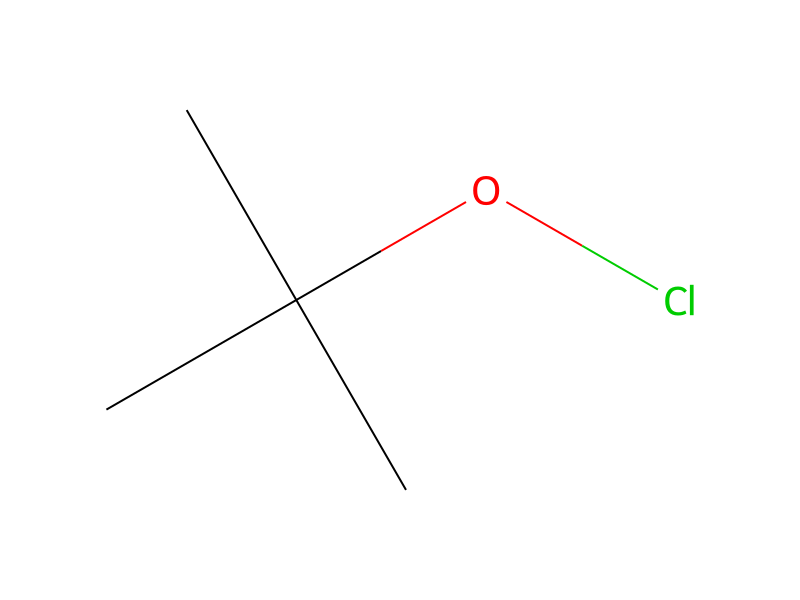
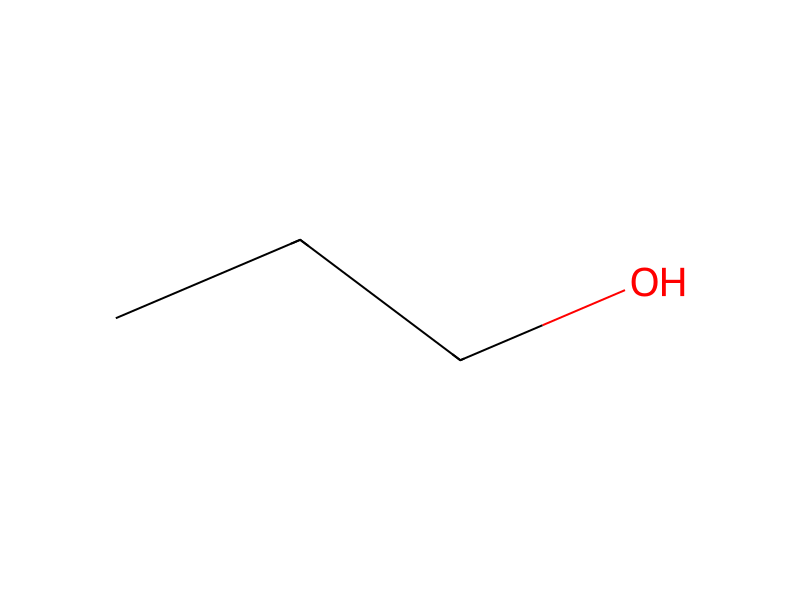
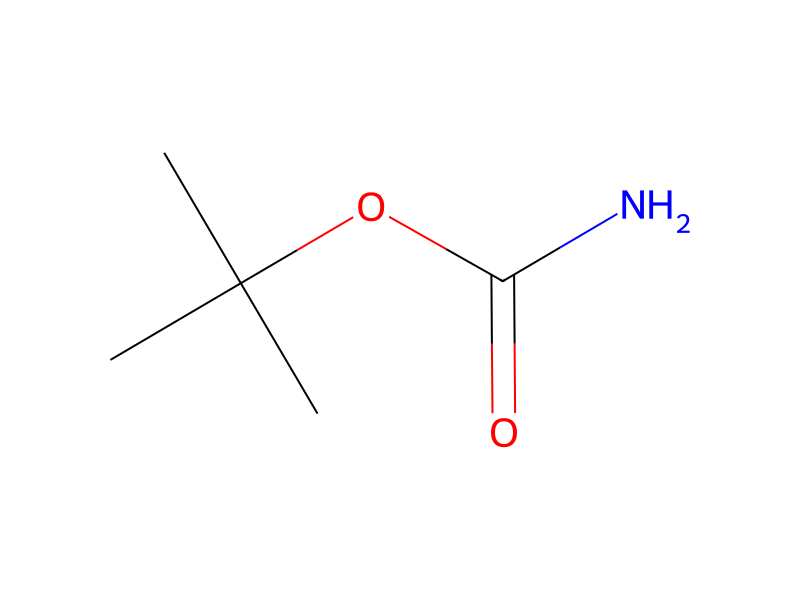
HCID 14798Sodium HydroxideHCID 77922tert-Butyl carbamateHCID 521297Tert-Butyl hypochloriteHCID 112172021,4-Bis(dihydroquinidine)phthalazineHCID 69084273(E)-3-Bromo-5-(3-methoxystyryl)pyridine

Product 1

HCID 70958320
tert-butyl (1R,2R)-1-(5-bromopyridin-3-yl)-2-hydroxy-2-(3-methoxyphenyl)ethylcarbamate

Reagents, catalysts & solvents 2

HCID 962WaterSolventHCID 10311-PropanolSolvent3×

Conditions

Temperature
0 °C

Procedure

To a solution of tert-butyl carbamate (4.63 g, 39.5 mmol) in propanol (45 mL) was added sodium hydroxide (1.556 g, 38.9 mmol) in water (81 mL) followed by tert-butyl hypochlorite (4.39 mL, 38.9 mmol). After 5 min, the solution was cooled to 0° C. and treated with a solution of (DHQD)2PHAL (0.497 g, 0.638 mmol) in propanol (45 mL). To this was added a solution of (E)-3-bromo-5-(3-methoxystyryl)pyridine (3.7 g, 12.75 mmol) in propanol (76 mL). To this was added potassium osmate dihydrate (0.188 g, 0.510 mmol) as a solid in one portion. The reaction was allowed to gradually warm in the glass dewar over 36 h. The reaction was quenched by addition of sodiumthiosulfate (4.2 g) in water (45 mL). After stirring for 30 min, the reaction was poured into water (ca. 600 mL) and extracted with diethyl ether (2×). The combined organics were washed with water (2×), then brine, dried over magnesium sulfate, and concentrated. The resulting residue was concentrated from toluene (3×) to help remove an unknown impurity. The resulting residue was purified by column chromatography (25%-->40% EtOAc/Hex) to give 3.76 g (70%) as a mixture of regioisomers which was used without further purification. Mass spec.: 423.15 (MH)+.

Workup

  1. temperatureto gradually warm in the glass dewar over 36 h
  2. customThe reaction was quenched by addition of sodiumthiosulfate (4.2 g) in water (45 mL)
  3. additionthe reaction was poured into water (ca. 600 mL)
  4. extractionextracted with diethyl ether (2×)
  5. washThe combined organics were washed with water (2×)
  6. dry with materialbrine, dried over magnesium sulfate
  7. concentrationconcentrated
  8. concentrationThe resulting residue was concentrated from toluene (3×)
  9. customto help remove an unknown impurity
  10. customThe resulting residue was purified by column chromatography (25%-->40% EtOAc/Hex)
  11. customto give 3.76 g (70%)
  12. additionas a mixture of regioisomers which
  13. customwas used without further purification

Sources & evidence

ORD record
ord-5f876e527c794581a4486a179723f038
Source dataset
uspto-grants-2014_04
DOI
10.6084/m9.figshare.5104873.v1
Patent number
US08691821B2

Reaction notes

On this pageParticipantsConditionsProcedureWorkupSources & evidenceReaction notes