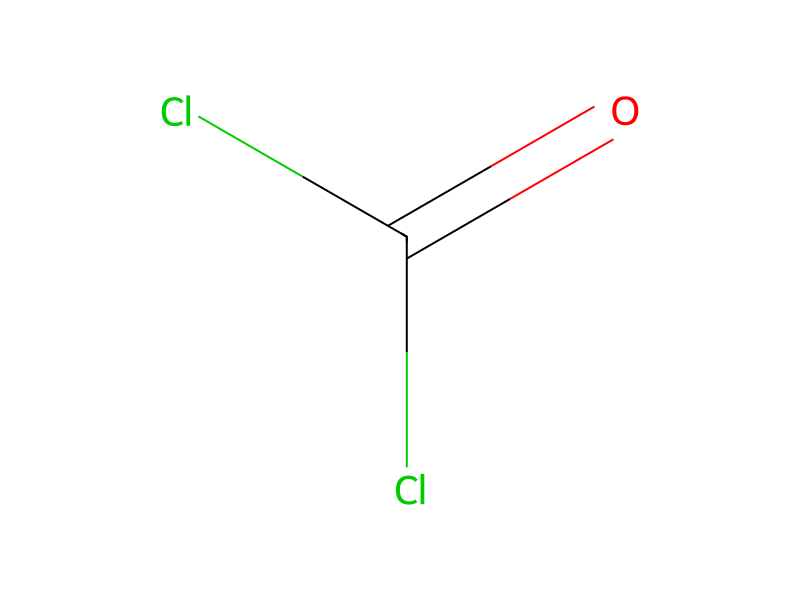
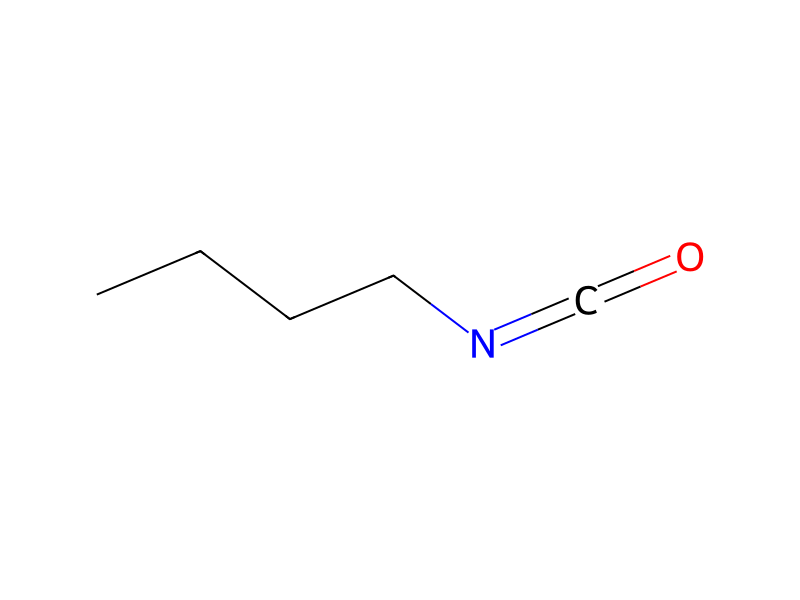
To 350 mL of dry xylenes was added 44 g of 2,3-dichlorobenzenesulfonamide, 23 mL of n-butyl isocyanate and 0.3 g 1,4-diazobicyclo[2.2.2]octane. This mixture was heated to reflux (138° C.) under a nitrogen atmosphere. After two hours, liquid phosgene was added to the refluxing mixture in portions over 1.5 hours at such a rate that kept the temperature between 130°-138° C. The phosgene addition was ceased when the reflux temperature had fallen to 130° C. and failed to rise, indicating that consumption of the starting material was complete (13.5 mL phosgene). The mixture was refluxed for an additional hour, cooled to room temperature, and filtered under nitrogen. Evaporation of the filtrate under reduced pressure gave 55 g of crude 2,3-dichlorobenzenesulfonyl isocyanate as a dark oil. This oil was taken up in dry acetonitrile (total solution volume 140 mL) and used as such for subsequent experiments: IR (Neat): 2250 (NCO) cm-1