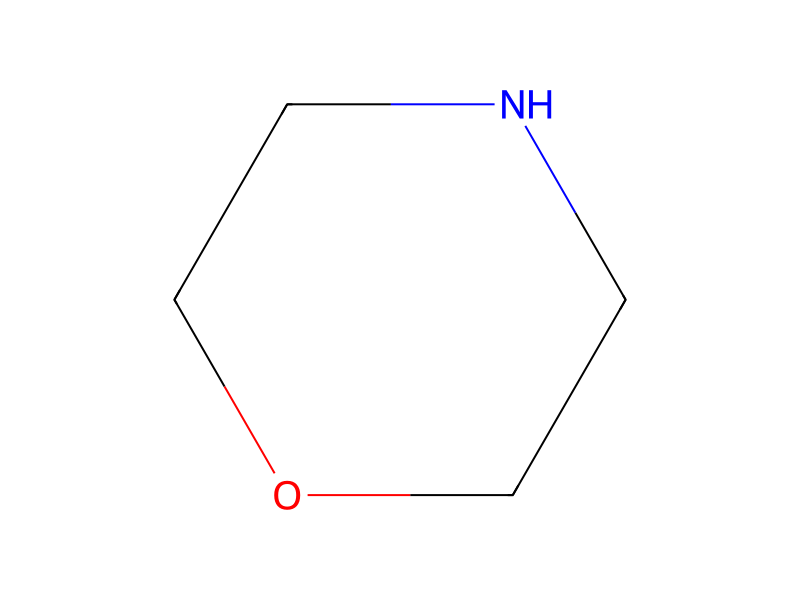
[CH2:1]([C:4]1[N:5]([CH2:17][CH2:18][CH2:19][CH2:20][CH2:21][C:22](O)=[O:23])[C:6]2[C:15]3[CH:14]=[CH:13][CH:12]=[CH:11][C:10]=3[N:9]=[CH:8][C:7]=2[N:16]=1)[CH2:2][CH3:3].C(Cl)(=O)C(Cl)=O.[NH:31]1[CH2:36][CH2:35][O:34][CH2:33][CH2:32]1>ClCCl>[N:31]1([C:22](=[O:23])[CH2:21][CH2:20][CH2:19][CH2:18][CH2:17][N:5]2[C:6]3[C:15]4[CH:14]=[CH:13][CH:12]=[CH:11][C:10]=4[N:9]=[CH:8][C:7]=3[N:16]=[C:4]2[CH2:1][CH2:2][CH3:3])[CH2:36][CH2:35][O:34][CH2:33][CH2:32]1A solution of 6-(2-propyl-1H-imidazo[4,5-c]quinolin-1-yl)hexanoic acid (3.0 g, 9.2 mmol) in anhydrous dichloromethane (50 mL) was cooled to 0° C. Oxalyl chloride (1.44 mL, 16.6 mmol) was added dropwise over a period of 15 minutes. The resulting solution was allowed to warm to ambient temperature and stirred for one hour and then concentrated under reduced pressure. The residue was dissolved in dichloromethane (50 mL), and morpholine (2.41 mL, 27.6 mmol) was added. The reaction was stirred overnight, washed sequentially with saturated aqueous sodium bicarbonate and brine, dried over magnesium sulfate, filtered, and concentrated under reduced pressure to provide 3.6 g of 1-(6-morpholin-4-yl-6-oxohexyl)-2-propyl-1H-imidazo[4,5-c]quinoline.