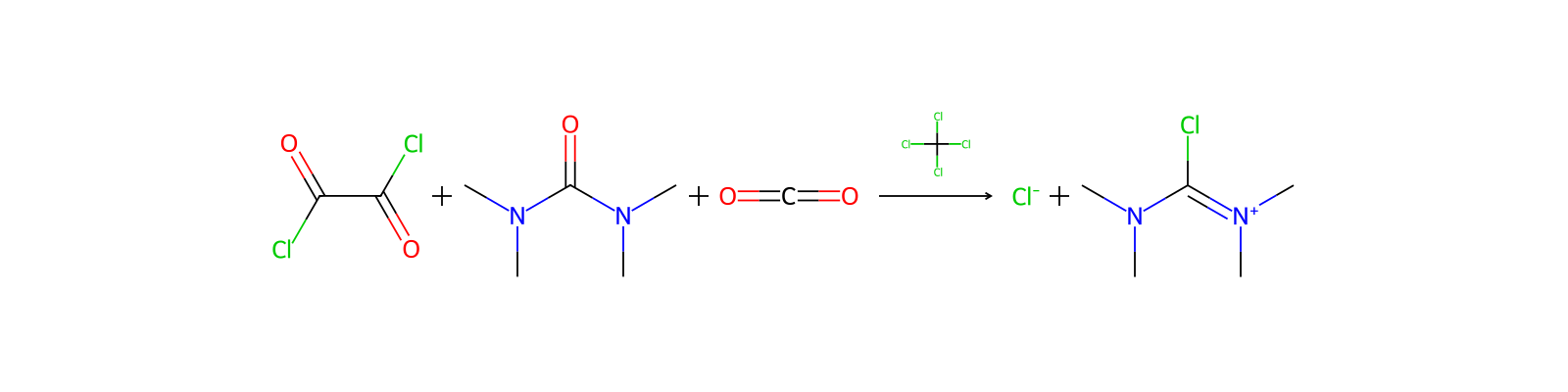
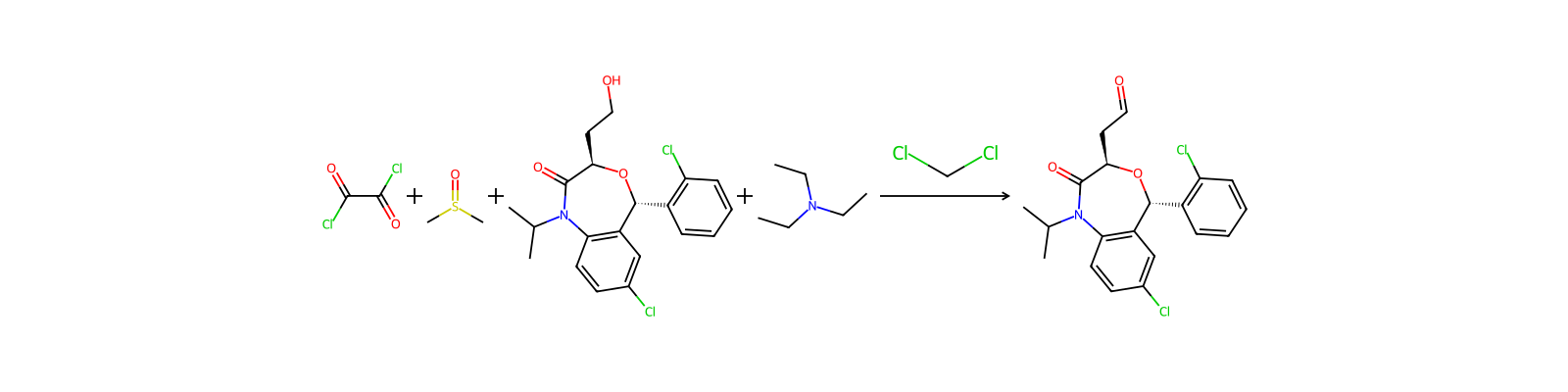
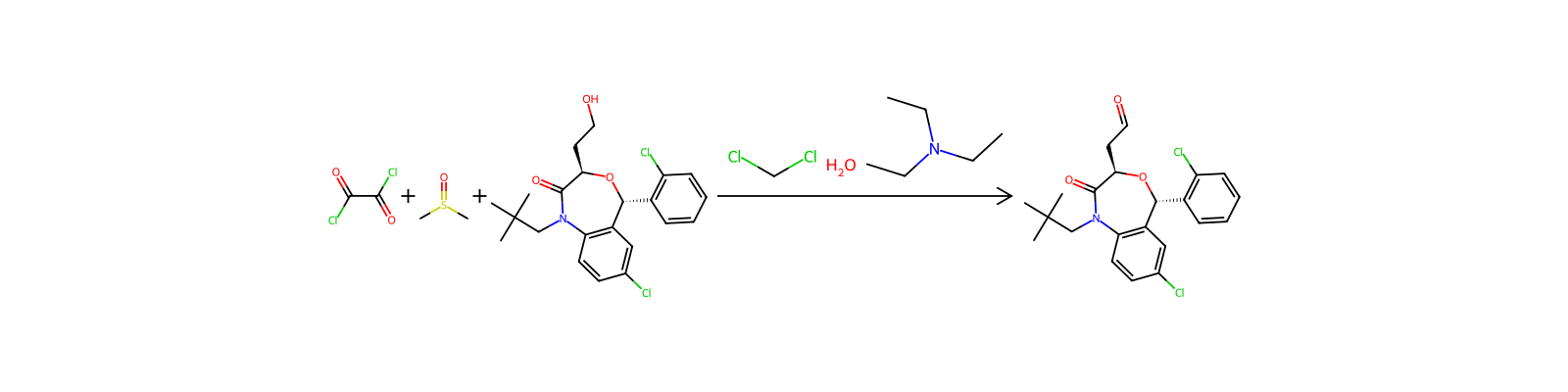
HRID 881As reactant

79-37-8O=C(Cl)C(=O)ClCTSLXHKWHWQRSH-UHFFFAOYSA-N79-37-8DTXSID3058822Liquid
Colorless fuming liquid with a penetrating odor; [Merck Index]
Safety information is for reference only and does not replace the supplier’s Safety Data Sheet (SDS), applicable regulations, or professional assessment.
Danger
H260 (60%): In contact with water releases flammable gases which may ignite spontaneously [Danger Substances and mixtures which in contact with water, emit flammable gases]
P223, P231+P232, P260, P261, P264, P264+P265, P270, P271, P280, P301+P316, P301+P330+P331, P302+P335+P334, P302+P361+P354, P304+P340, P305+P354+P338, P316, P317, P319, P321, P330, P363, P370+P378, P402+P404, P403+P233, P405, and P501 (click each P-code to see the statement)
Aggregated GHS information provided per 300 reports by companies from 34 notifications to the ECHA C&L Inventory. Each notification may be associated with multiple companies.
Chemical: Ethanedioyl dichloride
Ethanedioyl dichloride is listed on the EPA's Chemical Data Reporting (CDR) system. Manufacturers and importers of Ethanedioyl dichloride are required to report information about their production and use of this chemical to the EPA under the Toxic Substances Control Act (TSCA). (40 eCFR Part 711)
REACH registered substance: Oxalyl dichloride (EC: 201-200-2)
Oxalyl chloride: Does not have an individual approval but may be used under an appropriate group standard
Causes corneal damage and dyspnea in inhalation lethal-concentration studies of rats; [RTECS] Decomposed violently by water; A severe skin, eye, and respiratory tract irritant; Toxic; [Merck Index] Reacts violently with water evolving toxic gas; Causes burns; Inhalation may cause corrosive injuries to upper respiratory tract and lungs; Toxic by inhalation; [Sigma-Aldrich MSDS] See Oxalic acid.
Pharmaceutical and Medicine Manufacturing
Ethanedioyl dichloride: ACTIVE
UsesOxalyl Chloride is used in the preparation of cardiolipin analogs which induce peroxidase activity by Cytochrome C. It is also used in the preparation of fluorescent indicators for cytosolic calcium.
General DescriptionOxalyl chloride is a commonly used chlorinating reagent that can be prepared by the reaction of oxalic acid and phosphorus pentachloride.
PreparationOxalyl chloride was first prepared in 1892 by the French chemist Adrien Fauconnier, who reacted diethyl oxalate with phosphorus pentachloride. Oxalyl chloride is also produced commercially from ethylene carbonate. Photochlorination gives the tetrachloride, which is subsequently degraded:C2H4O2CO + 4 Cl2 → C2Cl4O2CO + 4 HClC2Cl4O2CO → C2O2Cl2 + COCl2
CSL00032
N,N-DIMETHYLFORMAMIDE + OXALYL CHLORIDE
Health Hazard
Harmful,Toxic
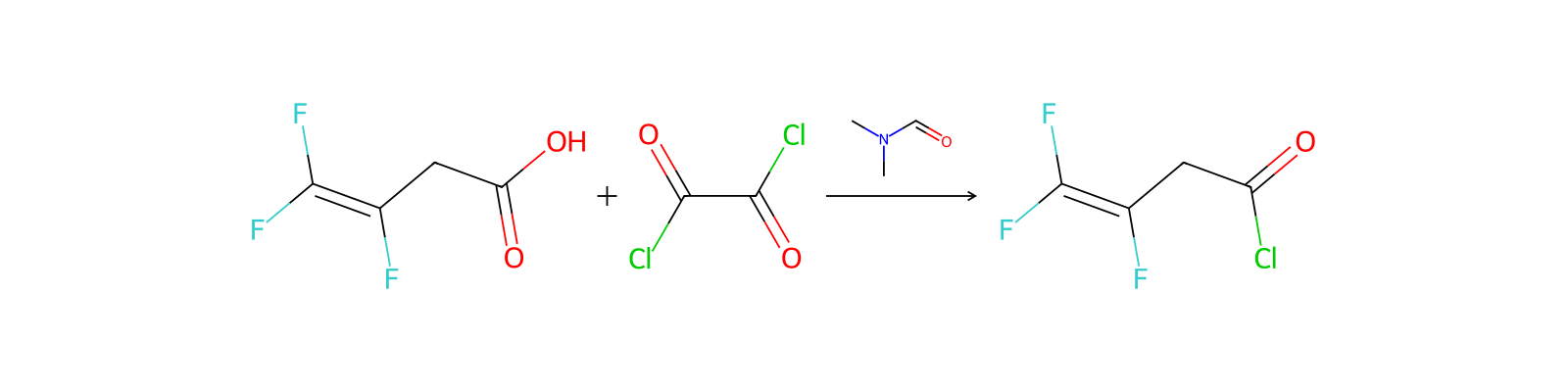
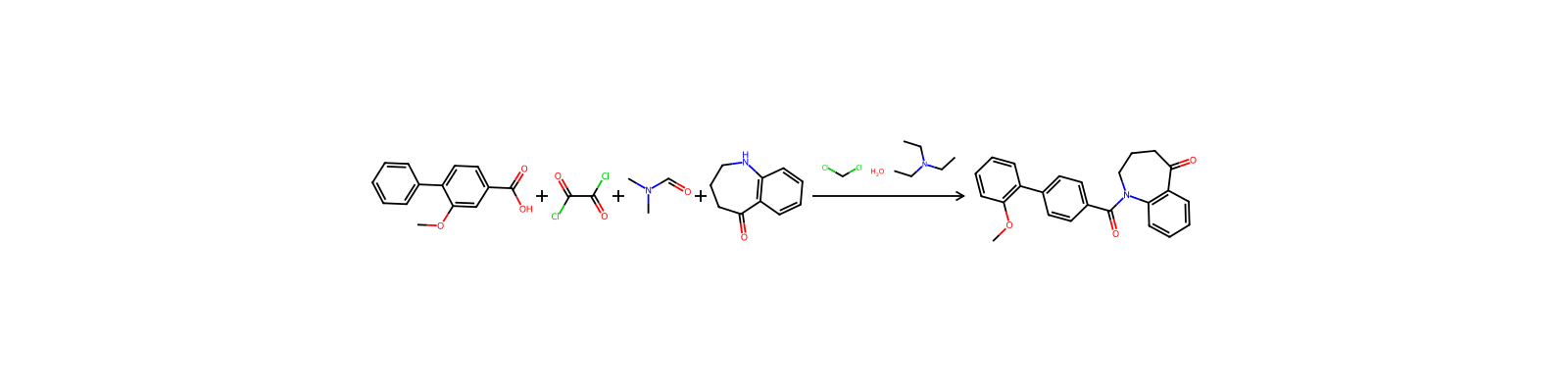
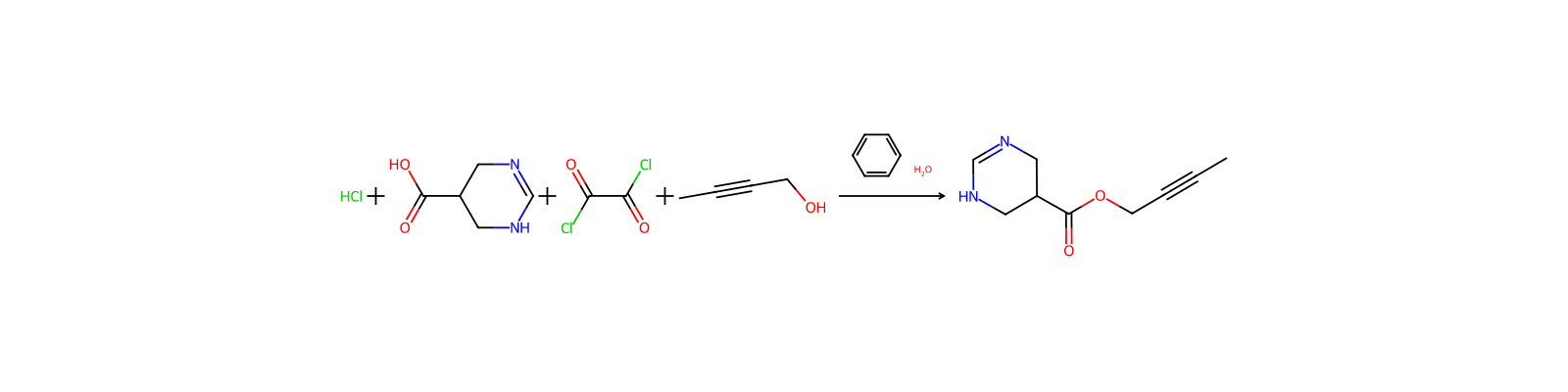
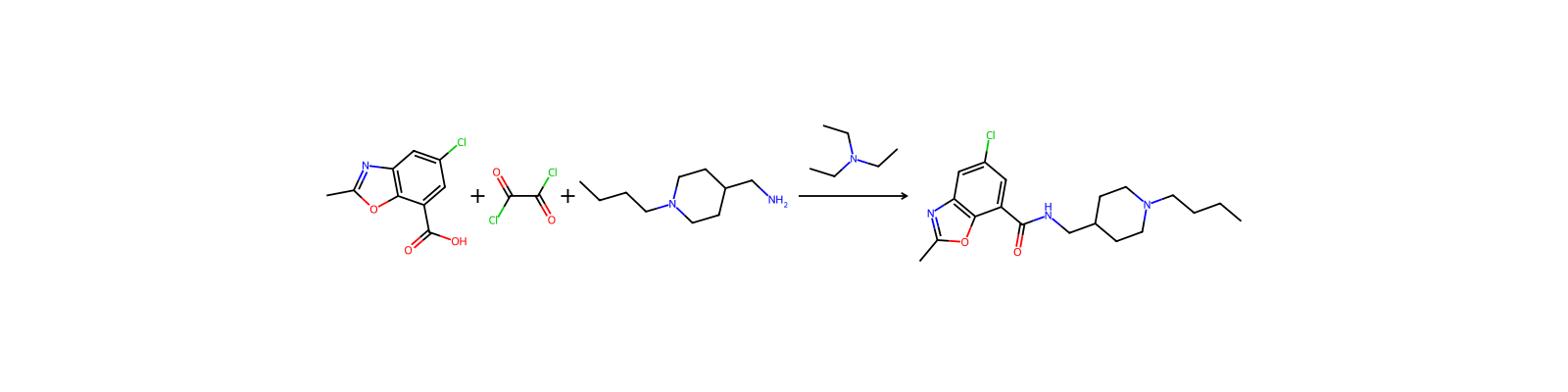
Chlorination
Generation of dimethylcarbamoyl chloride (carcinogen). DMCC is also toxic and a severe irritant.
0.77 [ppm]
8.5 [ppm]
51 [ppm]