Morpholine → 1-(5-morpholin-4-yl-5-oxopentyl)-2-propyl-1H-imidazo[4,5-c]quinoline
HRID 2366683
Reaction equation

[CH2:1]([C:4]1[N:5]([CH2:17][CH2:18][CH2:19][CH2:20][C:21](O)=[O:22])[C:6]2[C:15]3[CH:14]=[CH:13][CH:12]=[CH:11][C:10]=3[N:9]=[CH:8][C:7]=2[N:16]=1)[CH2:2][CH3:3].C(Cl)(=O)C(Cl)=O.[NH:30]1[CH2:35][CH2:34][O:33][CH2:32][CH2:31]1>>[N:30]1([C:21](=[O:22])[CH2:20][CH2:19][CH2:18][CH2:17][N:5]2[C:6]3[C:15]4[CH:14]=[CH:13][CH:12]=[CH:11][C:10]=4[N:9]=[CH:8][C:7]=3[N:16]=[C:4]2[CH2:1][CH2:2][CH3:3])[CH2:35][CH2:34][O:33][CH2:32][CH2:31]1Participants
4
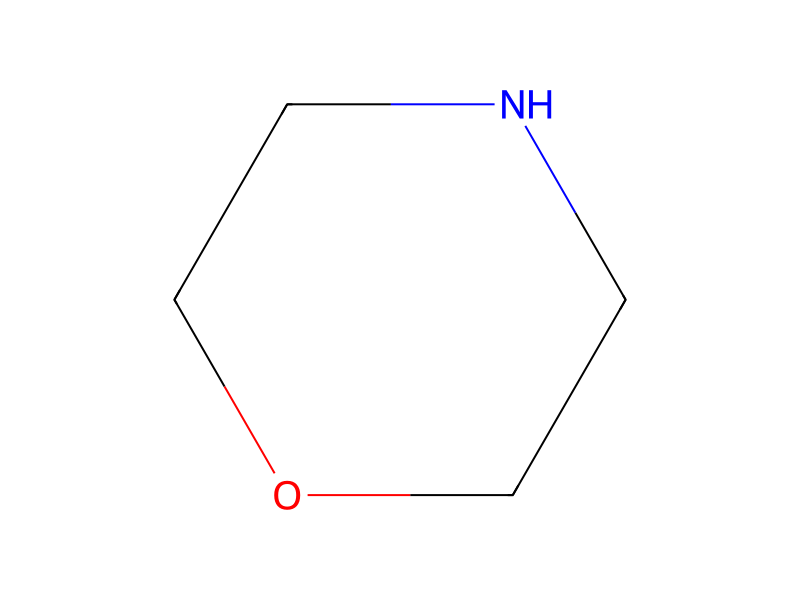



Procedure
A modification of the method described in Part F of Example 6 was used to treat 5-(2-propyl-1H-imidazo[4,5-c]quinolin-1-yl)pentanoic acid (5.14 g, 16.5 mmol) with oxalyl chloride (2.59 mL, 29.7 mmol) and morpholine (4.33 mL, 49.5 mmol). The oxalyl chloride addition was carried out at ambient temperature, and the reaction with morpholine was complete in three hours. Following the work-up procedure, 6.2 g of 1-(5-morpholin-4-yl-5-oxopentyl)-2-propyl-1H-imidazo[4,5-c]quinoline were obtained.