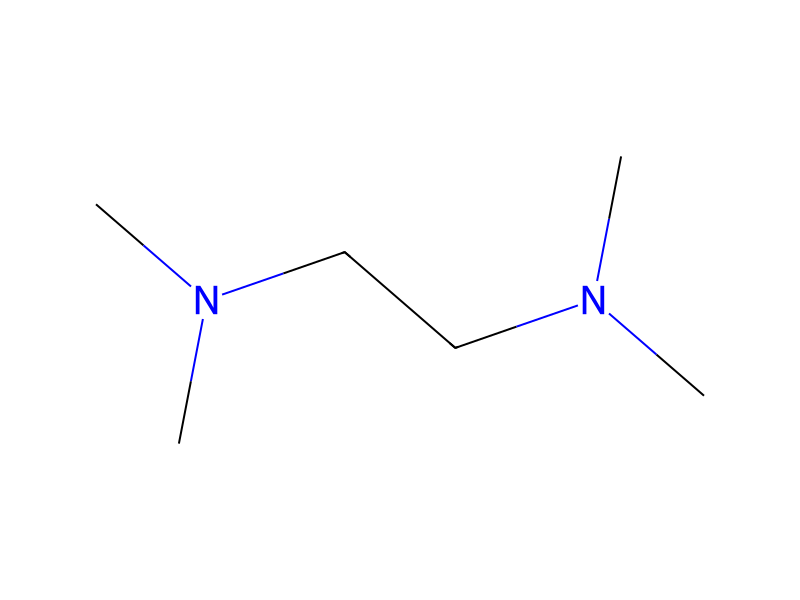
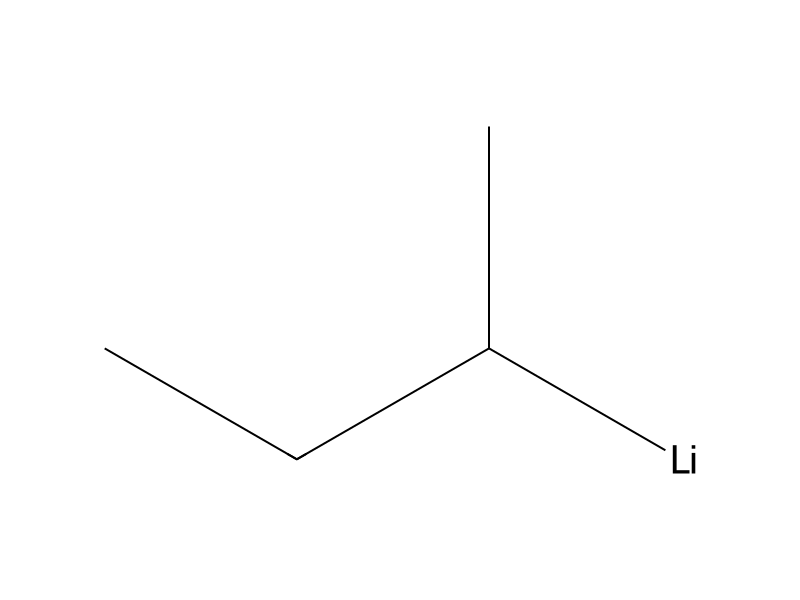
[CH3:1][N:2]([CH3:10])[C:3](=[O:9])[O:4][C:5]([CH3:8])([CH3:7])[CH3:6].CN(C)CCN(C)C.C([Li])(CC)C.[CH3:24][N:25]([CH2:27][C:28]1[CH:35]=[CH:34][C:31]([CH:32]=[O:33])=[CH:30][CH:29]=1)[CH3:26].[Cl-].[NH4+]>C1COCC1>[CH3:26][N:25]([CH2:27][C:28]1[CH:35]=[CH:34][C:31]([CH:32]([OH:33])[CH2:1][N:2]([CH3:10])[C:3](=[O:9])[O:4][C:5]([CH3:8])([CH3:7])[CH3:6])=[CH:30][CH:29]=1)[CH3:24]To a solution of tert-butyl dimethylcarbamate (350 mg, 2.4 mmol) and tetramethylethylenediamine (511 mg, 4.4 mmol) in THF (anhydrous, 10 mL) was added sec-butyllithium (1.4 M in cyclohexane, 2.2 mL, 3.1 mmol) at −78° C. The mixture was stirred at that temperature for 1 hour before 4-[(dimethylamino)methyl]benzaldehyde (J.Heterocycl.Chem.; 26; 1989; 1325-1330)(280 mg, 1.7 mmol) was introduced. The reaction mixture was stirred for 2 hours, warmed to room temperature and stirred for 1 hour. Saturated ammonium chloride aqueous solution (10 mL) was added to quench the reaction after the reaction mixture was cooled to −78° C. The organic phase was separated and the aqueous phase was extracted with dichloromethane. The organic phases were combined, washed with brine and dried over sodium sulfate and concentrated. The residue was purified with a silica gel column to give the title compound (0.40 g) as a white solid.