4-Bromoaniline → 8-(4-Bromo-phenylamino)-4-(2-chloro-phenyl)-4H-3,4,7,9,9b-pentaaza-cyclopenta[a]naphthalen-5-one
HRID 2370623
Reaction equation

[Cl:1][C:2]1[CH:7]=[CH:6][CH:5]=[CH:4][C:3]=1[N:8]1[C:17](=[O:18])[C:16]2[C:11](=[N:12][C:13](S(C)=O)=[N:14][CH:15]=2)[N:10]2[CH:22]=[CH:23][N:24]=[C:9]12.[Br:25][C:26]1[CH:32]=[CH:31][C:29]([NH2:30])=[CH:28][CH:27]=1.C([O-])(O)=O.[Na+]>>[Br:25][C:26]1[CH:32]=[CH:31][C:29]([NH:30][C:13]2[N:12]=[C:11]3[C:16]([C:17](=[O:18])[N:8]([C:3]4[CH:4]=[CH:5][CH:6]=[CH:7][C:2]=4[Cl:1])[C:9]4[N:10]3[CH:22]=[CH:23][N:24]=4)=[CH:15][N:14]=2)=[CH:28][CH:27]=1Participants
4
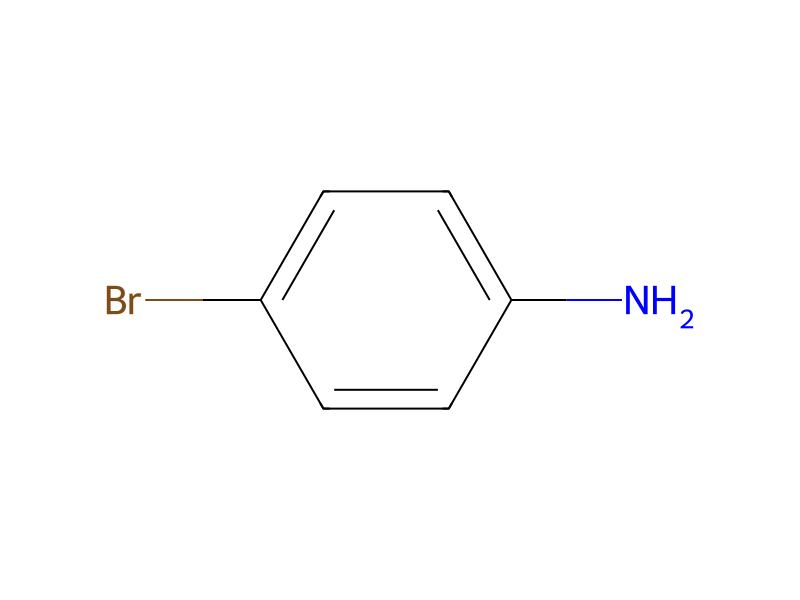



Procedure
A mixture of Example 1E (250.0 mg, 0.695 mmol) and 4-bromoaniline (191 mg, 1.112 mmol) was heated at 90° C. for 1 hour. While warm, the residue was treated with saturated aqueous NaHCO3 solution and extracted with ethyl acetate (twice). The combined organic layers were dried over MgSO4, filtered, and concentrated. The residue was triturated with a small amount of ethyl acetate. The solids were filtered, washed with ethyl acetate/hexane, and oven-dried to provide the title compound.