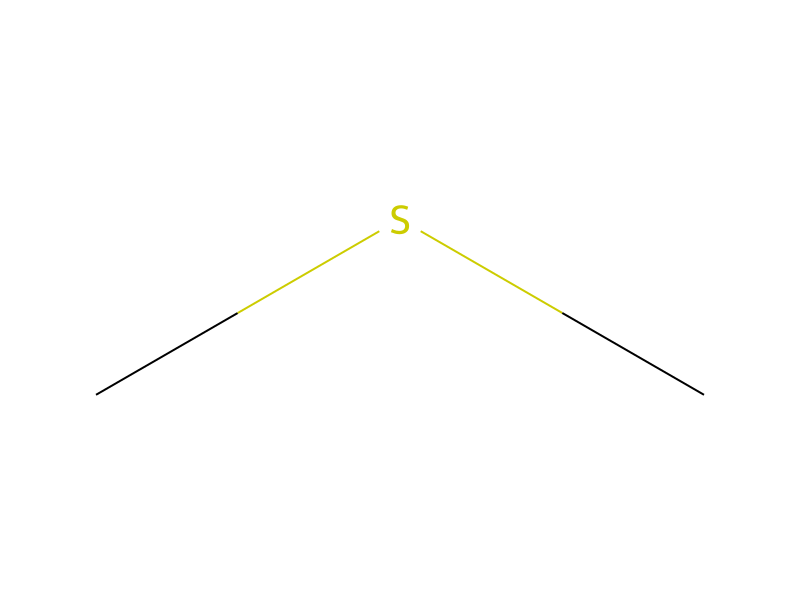
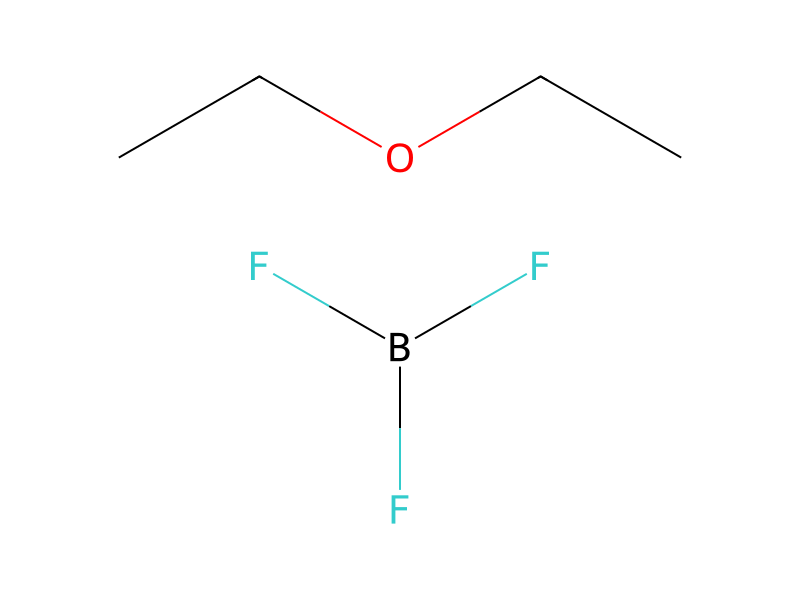
Into a mixture comprising 1.15 g of 4-chloro-5-(3-benzyloxybenzylamino)-2-i-propyl-3(2H)pyridazinone (Compound No. 95) prepared in Example 1A, 10 ml of dimethyl sulfide and 4 ml of dichloromethane, 3.41 g of boron trifluoride etherate was added under cooling with ice. The mixture was stirred at 0° C. for 30 minutes and at room temperature for further 24 hours. The reaction solution was cooled with ice and 40 ml of n-hexane was added thereto, whereby a pale yellow solid substance was precipitated. The solid substance was collected by filtration, and washed with n-hexane, and then treated with ethyl acetate and water. The organic layer was separated, and washed with water and a saturated sodium chloride aqueous solution, and dried over sodium sulfate, and then the solvent was distilled off to obtain a pale yellow solid substance. This substance was crystallized from ethyl acetate-ether to obtain 730 mg of the above identified compound having a melting point of from 194.5 to 196° C. as colorless crystals.