HomeMCPWorkbenchSkills
HomeWorkbenchNotificationsMe
llms.txt · MCP GuidePrivacy Policy · Terms of Service · Supportv1.8.3
  1. Home
  2. /Reaction

Formaldehyde → 1-[4-(Diethylamino)but-2-YN-1-YL]pyrrolidin-2-one

HRID 2372804
Print

Reaction equation

HRID 2372804 reaction equation
[CH2:1]([N:4]1[CH2:8][CH2:7][C:6](=O)[CH2:5]1)[C:2]#[CH:3].[CH2:10](Br)C#C.[K].[NH:15]1[CH2:19][CH2:18][CH2:17][C:16]1=[O:20].C=O.C(NCC)C>>[CH2:5]([N:4]([CH2:8][CH3:7])[CH2:1][C:2]#[C:3][CH2:10][N:15]1[CH2:19][CH2:18][CH2:17][C:16]1=[O:20])[CH3:6]

ParticipantsProcedureSources & evidenceReaction notes

Participants

7

Reactant 6

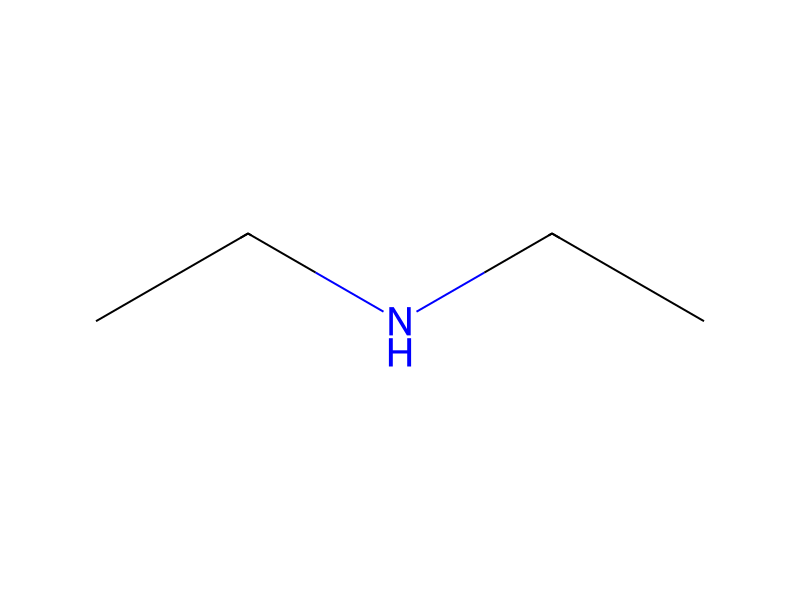
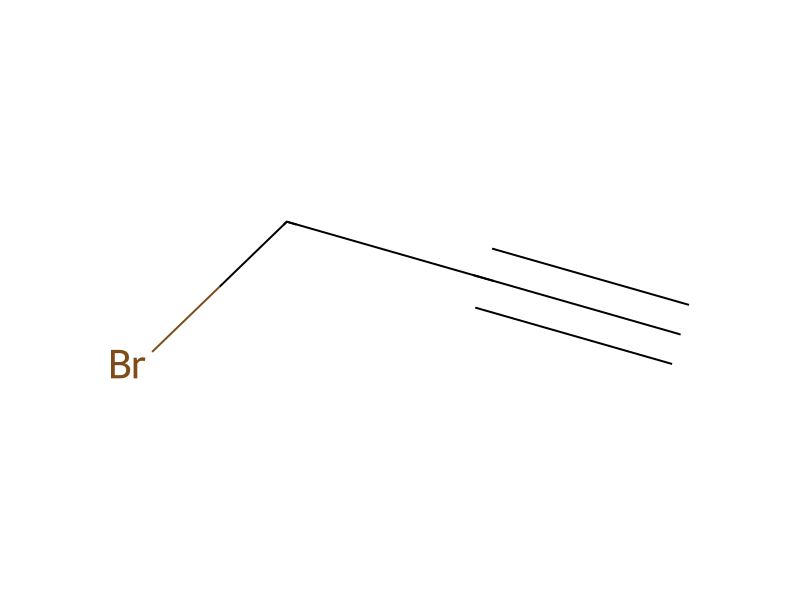
HCID 712FormaldehydeHCID 7842Propargyl bromideHCID 8021DiethylamineHCID 120252-PyrrolidoneHCID 5462222PotassiumHCID 199023151-(2-Propynyl)-3-pyrrolidinone

Product 1

HCID 15065507
1-[4-(Diethylamino)but-2-YN-1-YL]pyrrolidin-2-one

Procedure

1-(2-propynyl)-3-pyrrolidinone, prepared from propargyl bromide and the potassium salt of pyrrolidinone, is reacted with paraformaldehyde and diethylamine using cuprous chloride as catalyst to give 1-[4-(diethylamino)-2-butynyl]-2-pyrrolidinone. This compound is reacted with cyanogen bromide to give 1-(4-bromo-2-propynyl)-2-pyrrolidinone (BPP) which is then reacted with excess imidazole to give 1-[4-(1H-imidazol-1-yl)-2-butynyl]-2-pyrrolidinone (Compound 1, shown in Table 1). It was essential to avoid the use of strong bases in this reaction, because when BPP is reacted with the potassium salt of imidazole the allene is yielded as the major product.

Sources & evidence

ORD record
ord-0b4e41f6fa5a44039b532f1683a04bb4
Source dataset
uspto-grants-1992_03
DOI
10.6084/m9.figshare.5104873.v1
Patent number
US05100909

Reaction notes

On this pageParticipantsProcedureSources & evidenceReaction notes