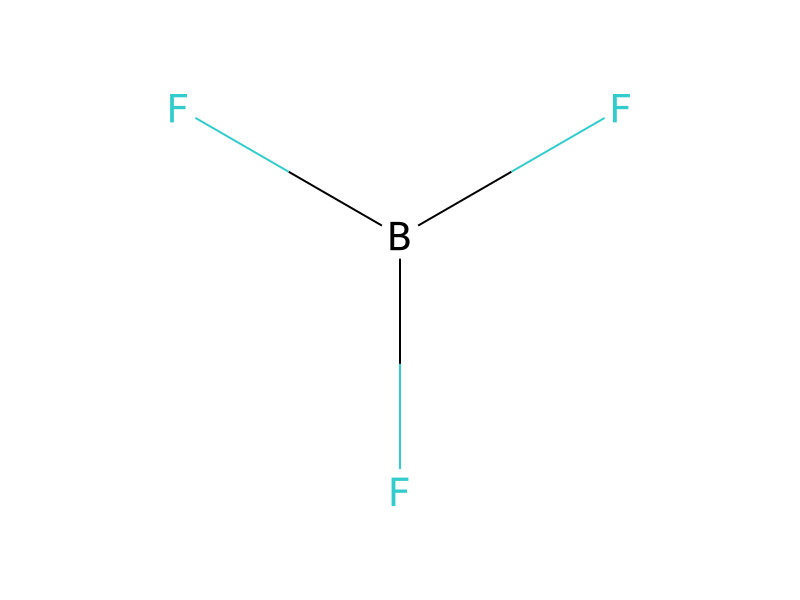
Sunflower oil (7.5 g) and retinyl palmitate (2.5 g) were mixed and water (0.03 g) and immobilised Lipase D (Rhizopus oryzae (Amano) immobilised on Accurel® EP100 macroporous polypropylene (Acordis) 0.1 g) or Candida rugosa AY (Amano) on Accurel® EP100 (Acordis) (CR; 0.1 g) added. The mixtures were placed in a shaking water bath at 55° C. for 20 or 23 hours. The immobilised lipase was then removed by simple filtration to directly yield the product, a solution of retinol esters in triglyceride oil. The composition of the retinyl esters was separated from the triglycerides by thin layer chromatography (0.5 mm silica G plates, Analtech Ltd.) using toluene as eluting solvent and visualised by spraying with 1% 2,7-dichlorofluorescein in ethanol. The ester band was scraped off and FAMEs were produced using 3 ML sodium methoxide and 1 mL toluene at 80° C. for 20 minutes followed by 5 minutes at 80° C. with boron trifluoride (2 mL volumes of reagent). The fatty acid content was then analysed by Fatty acid methyl ester Gas Chromatography (FAME-GC). GC conditions: Column—30 m/0.53 mm/0.5 um restek famewax, Helium carrier gas 15 kpa, flame ionisation detection, 260° C. PTV injection (Run: 3 min @ 260° C., 80° C. hold 1 min, +20/min to 180° C., +2/min to 220° C., +1/min to 230° C., +4 min hold at 230° C.).