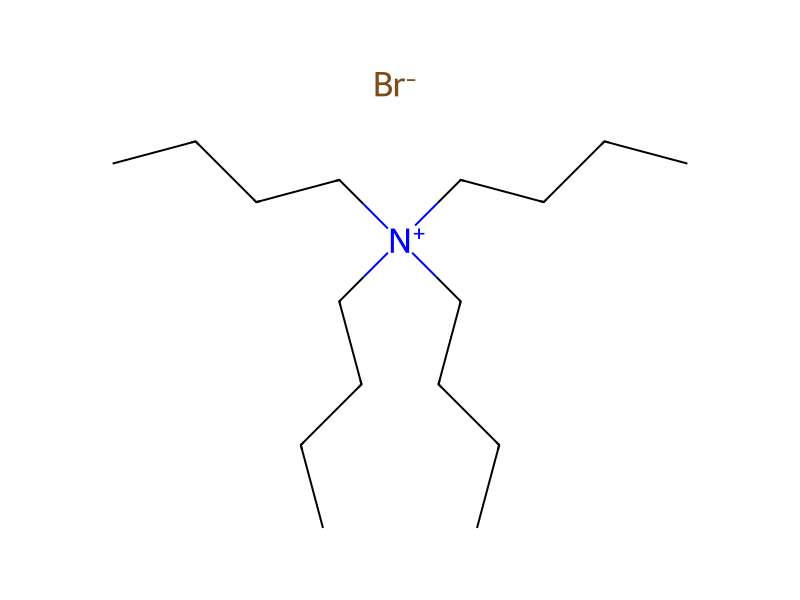
To a solution of 5-methyl-3H-1,3,4-oxadiazol-2-one (2.77 g, 27.7 mmol) in MeOH (25 mL) is added 25 wt % NaOMe solution in methanol (6.4 mL, 27.9 mmol) and the mixture is stirred at rt for 10 min. The mixture is concentrated in vacuo and the residue is added to a solution of 2-chloro-4′-fluoroacetophenone (4.71 g, 27.3 mmol) and tetrabutylammonium bromide (0.174 g, 0.54 mmol) in CHCl3 (16 mL). The mixture is heated to reflux for 2.5 h under N2. The reaction mixture is then allowed to cool and stirred overnight at ambient temperature. The resultant slurry is filtered through qualitative filter paper and the filtrate is concentrated to obtain a liquid. This liquid is further filtered through a pad of silica gel, eluting with 1:1 EtOAc/DCM. The filtrate is concentrated in vacuo to afford 3-[2-(4-fluoro-phenyl)-2-oxo-ethyl]-5-methyl-3H-1,3,4-oxadiazol-2-one (˜100%). MS: 237 (M+H); 1H NMR (300 MHz, CDCl3) δ 7.90-8.10 (m, 2H), 7.10-7.22 (m, 2H), 5.08 (s, 2H), 2.29 (s, 3H).