Reaction equation

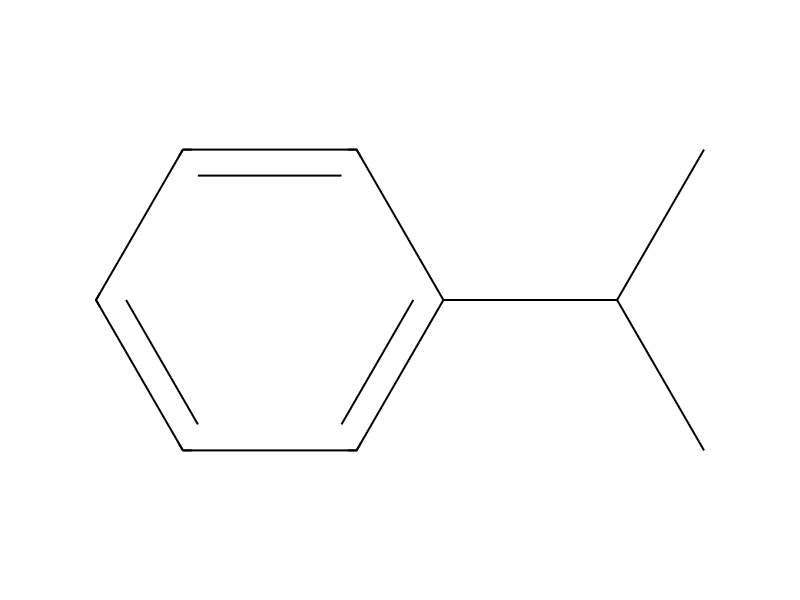
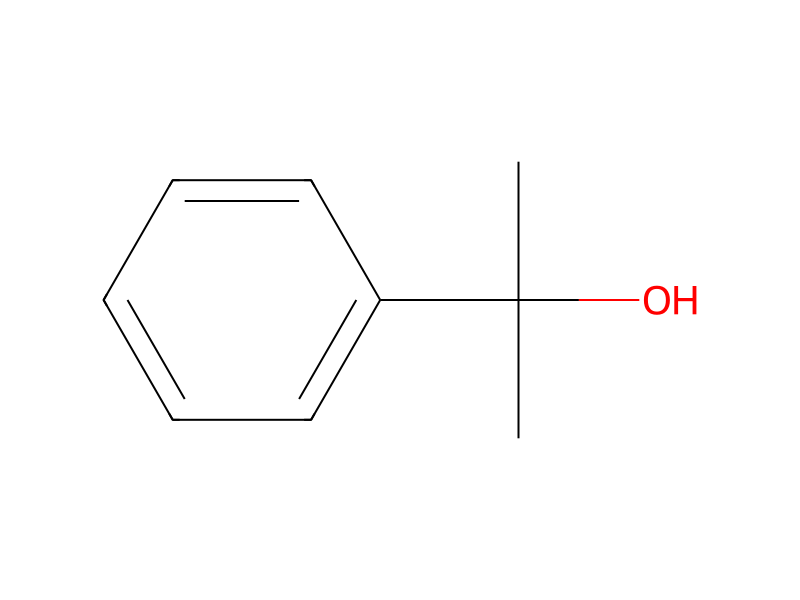
[OH:1]N1[C:6](=[O:7])[C:5]2=[CH:8][CH:9]=[CH:10][CH:11]=[C:4]2C1=O.[C:13]1([CH:19]([CH3:21])[CH3:20])[CH:18]=[CH:17][CH:16]=[CH:15][CH:14]=1>>[C:6]([C:5]1[CH:4]=[CH:11][CH:10]=[CH:9][CH:8]=1)(=[O:7])[CH3:13].[C:13]1([C:19]([OH:1])([CH3:21])[CH3:20])[CH:18]=[CH:17][CH:16]=[CH:15][CH:14]=1.[C:13]1([OH:1])[CH:18]=[CH:17][CH:16]=[CH:15][CH:14]=1.[C:13]1([CH:19]([CH3:21])[CH3:20])[CH:18]=[CH:17][CH:16]=[CH:15][CH:14]=1Participants
6



Procedure
0.3 mmol of N-hydroxyphthalimide and 0.3 mmol of Co(II) acetate are added at a temperature of 125° C. to 30 mmol of cumene in a round-bottomed flask having an attached reflux condenser. The reaction mixture is stirred for 8 hours at said temperature under an oxygen atmosphere of 1 bar. Not the target product, but acetophenone is obtained at a selectivity of 58.7%, 2-phenyl-2-propanol (13.1%) and phenol (10.4%) at a cumene conversion rate of 49.3%.
Workup
- temperaturean attached reflux condenser
Sources & evidence
- ORD record
- ord-2c65b7ac54fc4b36890f2034db340da0
- Source dataset
- uspto-grants-2005_02
- Patent number
- US06852893B2
Linked notes
Loading…