Reaction equation

[Cl:1][C:2]1[C:11]2[C:6](=[CH:7][C:8]([O:17][CH2:18][CH2:19][O:20][CH3:21])=[C:9]([O:12][CH2:13][CH2:14][O:15][CH3:16])[CH:10]=2)[N:5]=[CH:4][N:3]=1.[NH2:22][C:23]1[CH:24]=[C:25]([C:29]#[CH:30])[CH:26]=[CH:27][CH:28]=1.C(O)(=O)C1C=CC=CC=1>CO>[CH3:16][O:15][CH2:14][CH2:13][O:12][C:9]1[CH:10]=[C:11]2[C:2]([NH:22][C:23]3[CH:28]=[CH:27][CH:26]=[C:25]([C:29]#[CH:30])[CH:24]=3)=[N:3][CH:4]=[N:5][C:6]2=[CH:7][C:8]=1[O:17][CH2:18][CH2:19][O:20][CH3:21].[ClH:1]Participants
5
Reactant 3
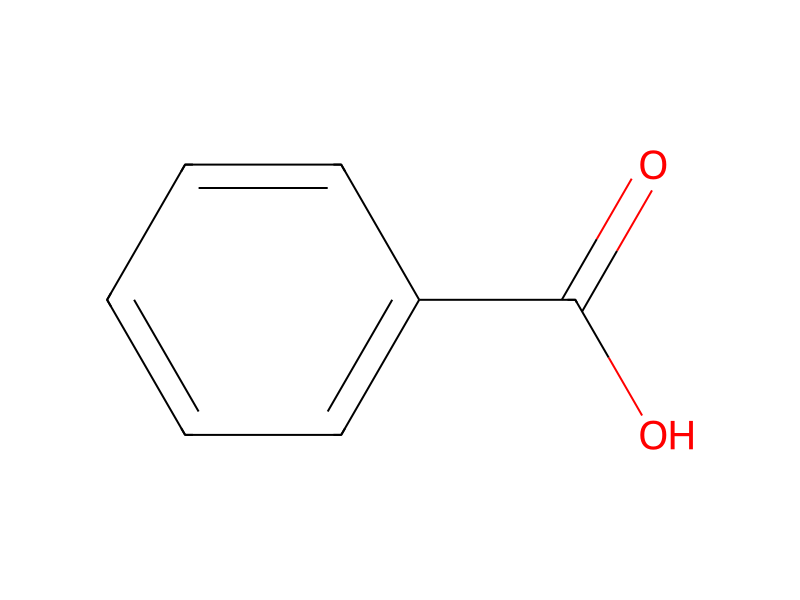


Product 1

Reagents, catalysts & solvents 1

Conditions
- Temperature
- 27.5 °C
Procedure
10.0 g of 4-chloro-6,7-bis(2-methoxyethoxy) quinazoline was suspended in 300 ml methanol and 9.2 g of 3-aminophenyl acetylene was charged at 25-30° C. Further 2.0 ml of benzoic acid was added. The reaction mass was stirred at 25-30° C. for 4 hours. Solid obtained was filtered, washed with methanol and dried under vacuum. This solid was suspended in water and then basified with sodium hydroxide and stirred for 10 minutes. The resulting erlotinib base was isolated, washed with water and dried under vacuum. The base was suspended in water and acidified to pH 1.0-2.0 using hydrochloric acid. The reaction mixture was stirred for 2 hours, filtered, washed with water and dried to obtain 11.2 g of erlotinib hydrochloride.
Workup
- customSolid obtained
- filtrationwas filtered
- washwashed with methanol
- customdried under vacuum
- stirringstirred for 10 minutes
Sources & evidence
- ORD record
- ord-9143f54b1f31480fb8373d23a78b6dc4
- Source dataset
- uspto-grants-2014_02
- Patent number
- US08642758B2
Linked notes
Loading…