Reaction equation

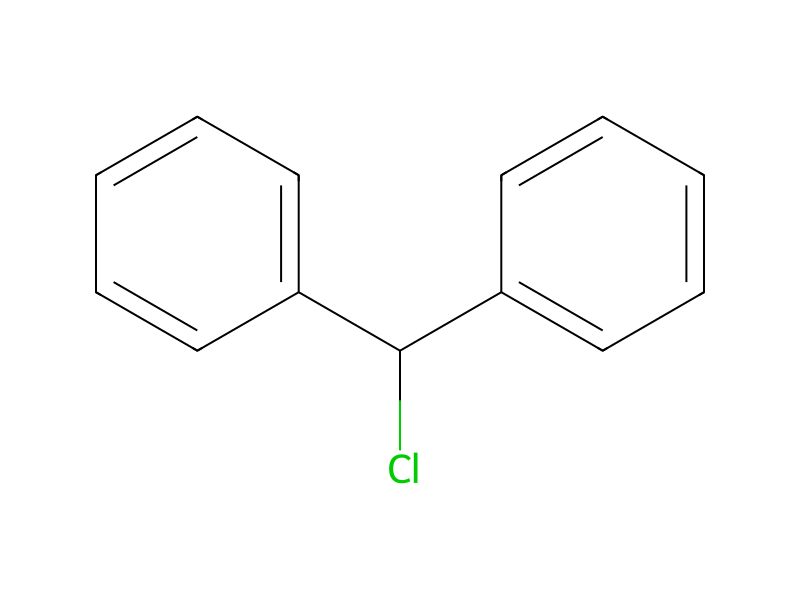
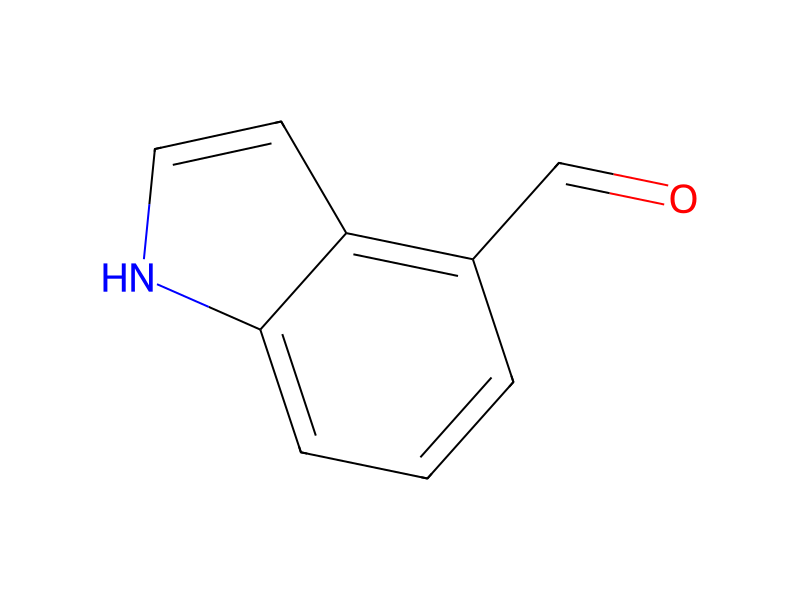
[NH:1]1[C:9]2[CH:8]=[CH:7][CH:6]=[C:5]([CH:10]=[O:11])[C:4]=2[CH:3]=[CH:2]1.[CH:12](Cl)([C:19]1[CH:24]=[CH:23][CH:22]=[CH:21][CH:20]=1)[C:13]1[CH:18]=[CH:17][CH:16]=[CH:15][CH:14]=1>>[CH:12]([N:1]1[C:9]2[CH:8]=[CH:7][CH:6]=[C:5]([CH:10]=[O:11])[C:4]=2[CH:3]=[CH:2]1)([C:13]1[CH:18]=[CH:17][CH:16]=[CH:15][CH:14]=1)[C:19]1[CH:24]=[CH:23][CH:22]=[CH:21][CH:20]=1Participants
3

Procedure
The same procedures used in Example 1 were repeated except for using 870 mg of indole-4-carbaldehyde and benzhydryl chloride instead of the benzyl bromide used in Example 1 to give 1.14 g of 1-benzhydrylindole-4-carbaldehyde as an orange-colored oily substance. The yield thereof was found to be 61%.
Sources & evidence
- ORD record
- ord-262d019cfc014ce09bff2d005b798632
- Source dataset
- uspto-grants-1998_09
- Patent number
- US05811439
Linked notes
Loading…