Reaction equation

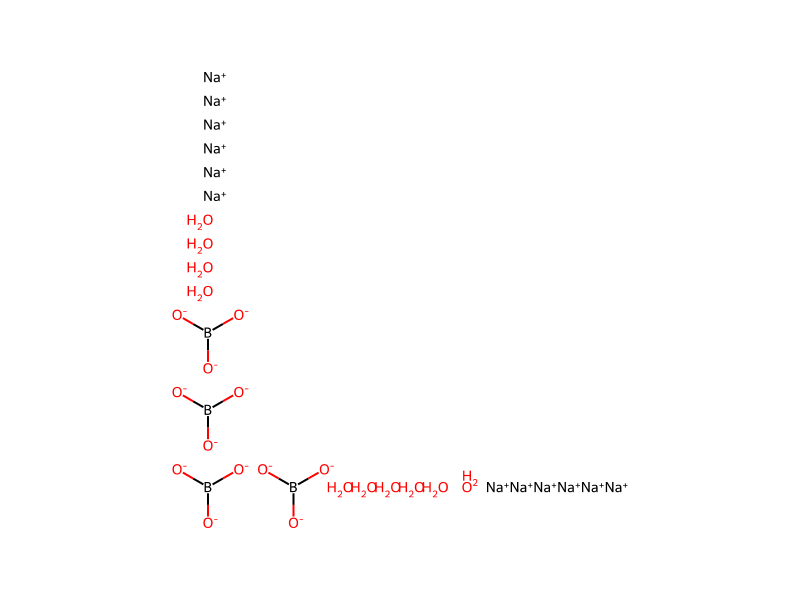
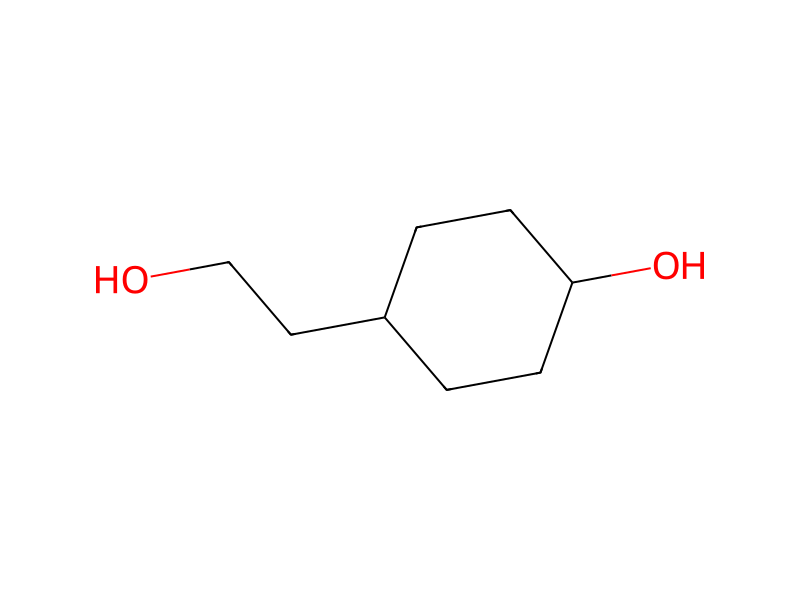
[OH:1][CH2:2][CH2:3][C:4]1[CH:9]=[CH:8][C:7]([OH:10])=[CH:6][CH:5]=1.O.O.O.O.O.O.O.O.O.O.B([O-])([O-])[O-].B([O-])([O-])[O-].B([O-])([O-])[O-].B([O-])([O-])[O-].[Na+].[Na+].[Na+].[Na+].[Na+].[Na+].[Na+].[Na+].[Na+].[Na+].[Na+].[Na+]>[Pd].C(O)(C)C>[OH:1][CH2:2][CH2:3][CH:4]1[CH2:9][CH2:8][CH:7]([OH:10])[CH2:6][CH2:5]1Participants



Conditions
- Temperature
- 80 °C
Procedure
In a 1 L reactor are successively introduced: 50 g (362 mmol) of 4-(2-hydroxyethyl)phenol, 5 g (13.6 mmol) of sodium tetraborate decahydrate, 500 mL of isopropanol, 5 g of palladium (10% on charcoal washed with isopropanol). The vessel is closed, purged three times with nitrogen and three times with hydrogen. The mixture is stirred for 22 hours under 10 bar pressure of hydrogen at 80° C., cooled back to room temperature, filtered over a celite pad and rinsed with isopropanol. Filtrate is concentrated under reduced pressure, toluene (100 mL) is added and evaporated under reduced pressure. This last procedure being repetited to remove trace amount of isopropanol and gives 52 g (99% yield) of 4-(2-hydroxyethyl)cyclohexanol as a clear viscous oil.
Workup
- additionIn a 1 L reactor are successively introduced
- customThe vessel is closed
- custompurged three times with nitrogen and three times with hydrogen
- temperaturecooled back to room temperature
- filtrationfiltered over a celite pad
- washrinsed with isopropanol
- concentrationFiltrate is concentrated under reduced pressure, toluene (100 mL)
- additionis added
- customevaporated under reduced pressure
- customto remove trace amount of isopropanol
Sources & evidence
- ORD record
- ord-fe26c71de3ea47979839e2f3cd5254de
- Source dataset
- uspto-grants-2014_08
- Patent number
- US08802678B2
Linked notes
Loading…