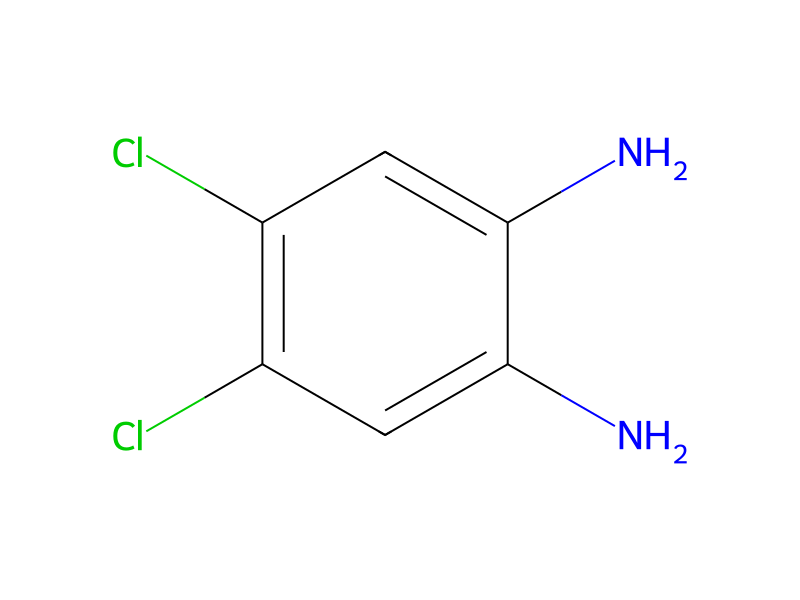
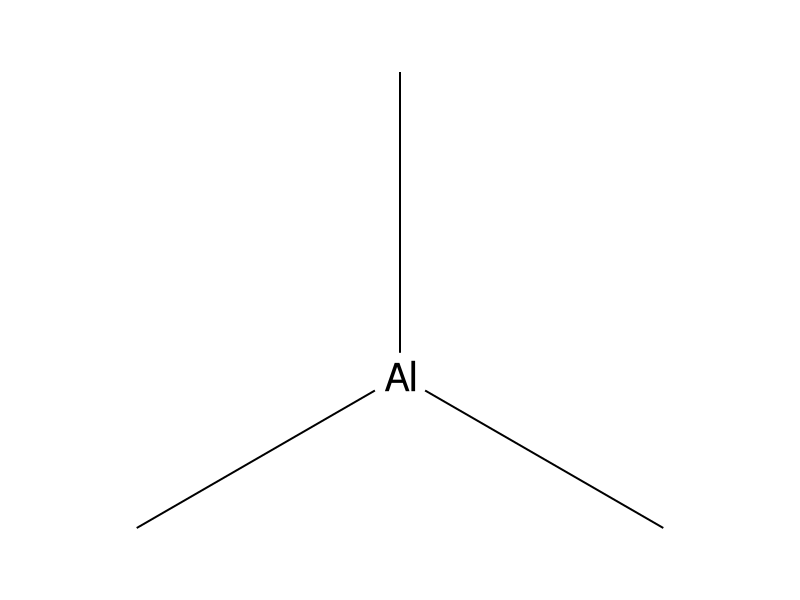
[Cl:1][C:2]1[CH:3]=[C:4]([NH2:10])[C:5]([NH2:9])=[CH:6][C:7]=1[Cl:8].C[Al](C)C.C(O[C:18](=O)[CH:19]([O:26][CH:27]1[CH2:32][CH2:31][N:30]([CH3:33])[CH2:29][CH2:28]1)[C:20]1[CH:25]=[CH:24][CH:23]=[CH:22][CH:21]=1)C.[OH-].[Na+]>C1(C)C=CC=CC=1>[Cl:1][C:2]1[C:7]([Cl:8])=[CH:6][C:5]2[NH:9][C:18]([CH:19]([O:26][CH:27]3[CH2:32][CH2:31][N:30]([CH3:33])[CH2:29][CH2:28]3)[C:20]3[CH:25]=[CH:24][CH:23]=[CH:22][CH:21]=3)=[N:10][C:4]=2[CH:3]=1A round-bottom flask is charged with 4,5-dichlorobenzene-1,2-diamine (354 mg) and toluene (2 mL); a solution of trimethylaluminum 2M in toluene (1 mL) is added dropwise. The reaction mixture is heated at 60° C. for one hour. A solution of (1-methyl-piperidin-4-yloxy)phenylacetic acid ethyl ester in toluene (1 mL) is added dropwise and heating is pursued for one hour. The reaction mixture is cooled to room-temperature and a solution of sodium hydroxide is added dropwise to pH 10. The slurry is filtered on celite, cake washed with water (4×5 mL) and ethyl acetate (4×5 mL). After decantation, the aqueous phase is extracted with ethyl acetate. The pooled organic extracts are washed with brine, dried over magnesium sulfate and concentrated under reduced pressure. The residue is diluted with glacial acetic acid (3 mL) and the reaction mixture is heated at reflux for one hour. Acetic acid is removed on a rotary evaporator and the residue is purified by chromatography (gradient dichloromethane/methanol/ammonia from 98/2/0 to 95/5/0.5 to give 5,6-dichloro-2-[(1-methylpiperidin-4-yloxy)phenylmethyl]-1H-benzimidazole melting at 221° C.