Reaction equation
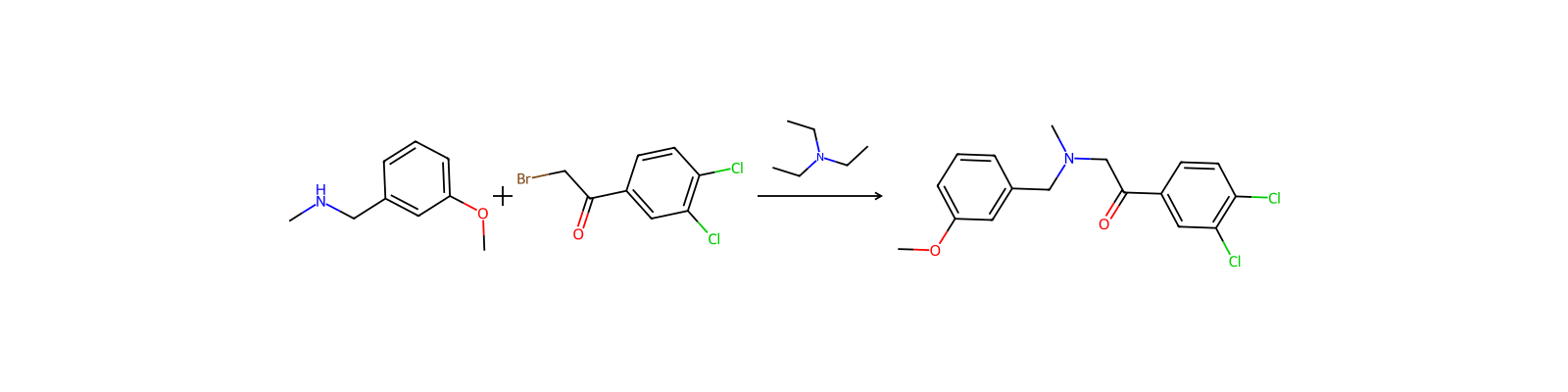
[CH3:1][O:2][C:3]1[CH:4]=[C:5]([CH2:9][NH:10][CH3:11])[CH:6]=[CH:7][CH:8]=1.[Cl:12][C:13]1[CH:14]=[C:15]([CH:20]=[CH:21][C:22]=1[Cl:23])[C:16](=[O:19])[CH2:17]Br>C(N(CC)CC)C>[Cl:12][C:13]1[CH:14]=[C:15]([C:16](=[O:19])[CH2:17][N:10]([CH2:9][C:5]2[CH:6]=[CH:7][CH:8]=[C:3]([O:2][CH3:1])[CH:4]=2)[CH3:11])[CH:20]=[CH:21][C:22]=1[Cl:23]Participants
Reactant 2

Product 1
Reagents, catalysts & solvents 1

Procedure
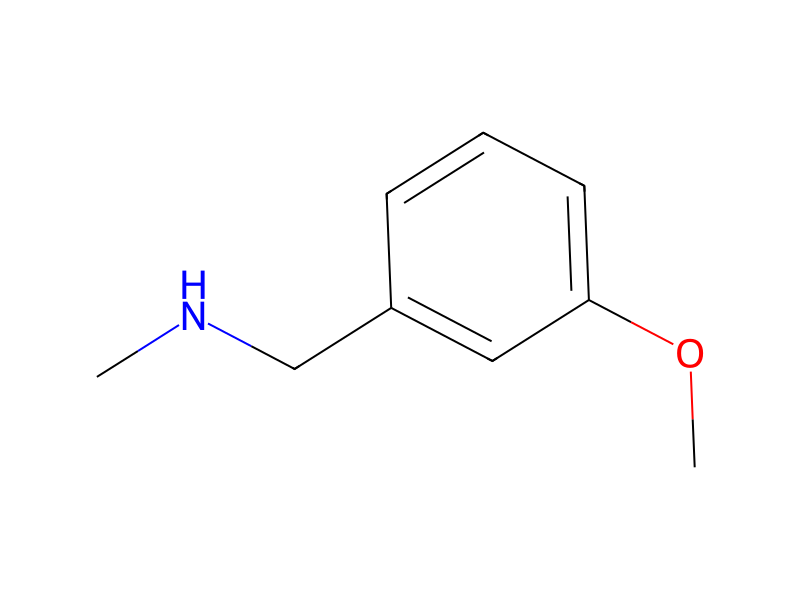
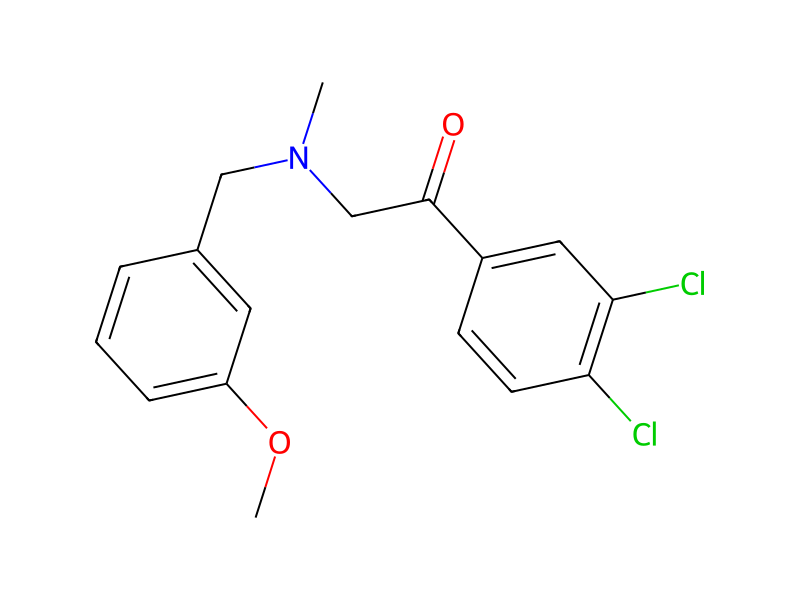
1-(3-Methoxyphenyl)-N-methylmethanamine is reacted with 3,4-dichlorophenacyl bromide in the presence of triethylamine to give 1-(3,4-dichlorophenyl)-2-((3-methoxybenzyl)(methyl)amino)ethanone. Reduction of this ketone by sodium borohydride yields 1-(3,4-dichlorophenyl)-2-(3-methoxybenzyl)(methyl)amino)ethanol, which undergoes acid mediated cyclization to give 4-(3,4-dichlorophenyl)-7-methoxy-2-methyl-1,2,3,4-tetrahydroisoquinoline. This racemic tetraisoquinoline derivative can be separated via chiral HPLC or supercritical fluid chromatography (SFC) to give the single enantiomers. Alternatively, the chiral separation can be achieved by recrystallization using chiral acids such as di-p-toluoyl-D-tartaric acid or di-p-toluoyl-L-tartaric acid.
Sources & evidence
- ORD record
- ord-92456561a4784d05848a41406376d673
- Source dataset
- uspto-grants-2014_08
- Patent number
- US08815894B2
Linked notes
Loading…