HomeMCPWorkbenchSkills
HomeWorkbenchNotificationsMe
llms.txt · MCP GuidePrivacy Policy · Terms of Service · Supportv1.8.3
  1. Home
  2. /Reaction

Methane → 2-Bromo-3,4-dichloroaniline

HRID 2413087
Print

Reaction equation

HRID 2413087 reaction equation
[Br:1][C:2]1[C:7]([Cl:8])=[C:6]([Cl:9])[CH:5]=[CH:4][C:3]=1[N+:10]([O-])=O.[H][H].C>C1(C)C=CC=CC=1.C(OCC)C>[Br:1][C:2]1[C:7]([Cl:8])=[C:6]([Cl:9])[CH:5]=[CH:4][C:3]=1[NH2:10]
ParticipantsProcedureWorkupSources & evidenceReaction notes

Participants

6

Reactant 3

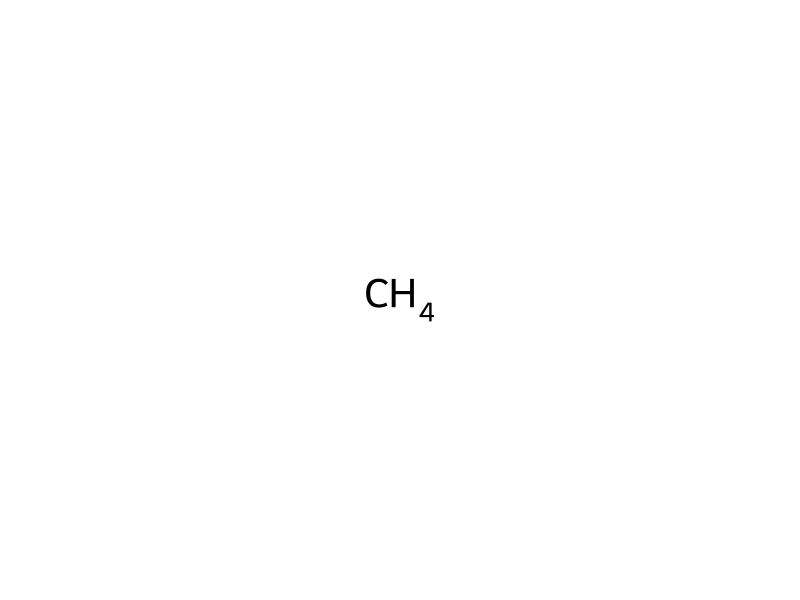
HCID 297Methane2×HCID 129530161-Bromo-2,3-dichloro-6-nitrobenzeneHCID 178418361HCID 178418361, compound

Product 1

HCID 129530112-Bromo-3,4-dichloroanilineYield 86.1%

Reagents, catalysts & solvents 2

HCID 1140TolueneSolvent
On this pageParticipantsProcedureWorkupSources & evidenceReaction notes
HCID 3283
Diethyl Ether
Solvent

Procedure

A solution of 2-bromo-3,4-dichloronitrobenzene (23.5 g) in toluene was treated at 25°-35° C. for 1.25 hours with hydrogen in the presence of charcoal containing 5% platinum. The solution was then filtered and the filtrate was evaporated to dryness. The brown solid thus obtained was dissolved in diethyl ether and the solution was treated with decolourising charcoal and filtered. Evaporation to dryness of the filtrate gave 2-bromo-3,4-dichloroaniline (18.0 g), m.p. 78°-80° C. in the form of a brown powder.

Workup

  1. filtrationThe solution was then filtered
  2. customthe filtrate was evaporated to dryness
  3. customThe brown solid thus obtained
  4. filtrationfiltered
  5. customEvaporation to dryness of the filtrate

Sources & evidence

ORD record
ord-a6d249b8c4584cd3b605169a9d851add
Source dataset
uspto-grants-1985_01
DOI
10.6084/m9.figshare.5104873.v1
Patent number
US04496390

Reaction notes