HomeMCPSkillsWorkbenchOpenChem
HomeWorkbenchNotificationsMe
llms.txt · skill.md · MCP GuidePrivacy Policy · Terms of Service · Supportv1.8.4
  1. Home
  2. /Reaction

Ammonia → Pigment Yellow 3

HRID 2413100
Print

Reaction equation

[Cl:1][C:2]1[CH:8]=[CH:7][C:5]([NH2:6])=[C:4]([N+:9]([O-:11])=[O:10])[CH:3]=1.[CH3:12][C:13]([CH2:15][C:16]([NH:18][C:19]1[C:24]([Cl:25])=[CH:23][CH:22]=[CH:21][CH:20]=1)=[O:17])=[O:14].ClCC(O)=O.[N:31]([O-])=O.[Na+].N>C(C(CCCC)C(O)=O)C>[CH3:12][C:13]([CH:15]([N:31]=[N:6][C:5]1[CH:7]=[CH:8][C:2]([Cl:1])=[CH:3][C:4]=1[N+:9]([O-:11])=[O:10])[C:16]([NH:18][C:19]1[C:24]([Cl:25])=[CH:23][CH:22]=[CH:21][CH:20]=1)=[O:17])=[O:14]
ParticipantsProcedureWorkupSources & evidenceReaction notes

Participants

7

Reactant 5

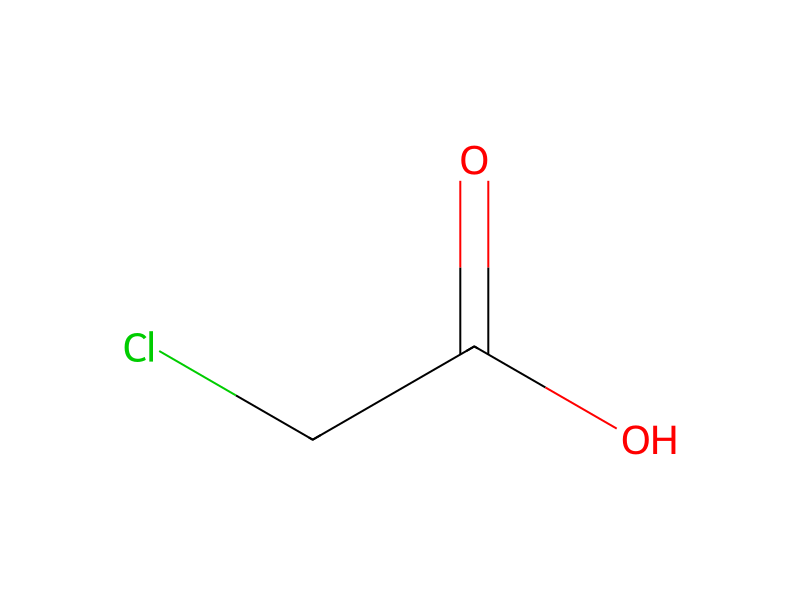
HCID 222AmmoniaHCID 300Chloroacetic AcidHCID 69794-Chloro-2-nitroanilineHCID 7156Acetoacetyl-2-chloroanilideHCID 23668193Sodium Nitrite

Product 1

HCID 94326Pigment Yellow 3

Reagents, catalysts & solvents 1

HCID 86972-Ethylhexanoic AcidSolvent2×

Procedure

8.62 g of p-chloro-o-nitroaniline, 10.89 g of acetoacet-o-chloroanilide, 2.36 g of α-chloroacetic acid and 50 ml of 2-ethylhexanoic acid are stirred at 600 rpm for 1 hour in a 1/2 liter grinding pot containing 200 g of 2-3 mm diameter glass beads. The temperature reaches 26° C. 4.14 g of sodium nitrite are added and stirring continued. As pigment formation commences and the grinding viscosity increases, 25 ml portions of 2-ethylhexanoic acid are added after 2 and 5 minutes. A maximum temperature of 36° C. is obtained after 16 minutes, and after 1 hour, at a temperature of 32° C., aqueous ammonia solution is added and the pigment product recovered, washing well with hot water at the filtration stage. The C.I. Pigment Yellow 3 product, obtained in a yield of 17.84 g (90.3% of theory) is approximately 20% stronger and slightly redder than the corresponding product prepared by conventional aqueous coupling, when dispersed in a decorative alkyd paint system.

Workup

  1. customgrinding pot
  2. additioncontaining 200 g of 2-3 mm diameter glass beads
  3. customreaches 26° C
  4. temperatureAs pigment formation commences and the grinding viscosity increases
  5. customA maximum temperature of 36° C. is obtained after 16 minutes
  6. customthe pigment product recovered
  7. washwashing well with hot water at the filtration stage

Sources & evidence

ORD record
ord-2d776b70ae654642ae45163b1df727bf
Source dataset
uspto-grants-1985_01
DOI
10.6084/m9.figshare.5104873.v1
Patent number
US04496481

Reaction notes

On this pageParticipantsProcedureWorkupSources & evidenceReaction notes