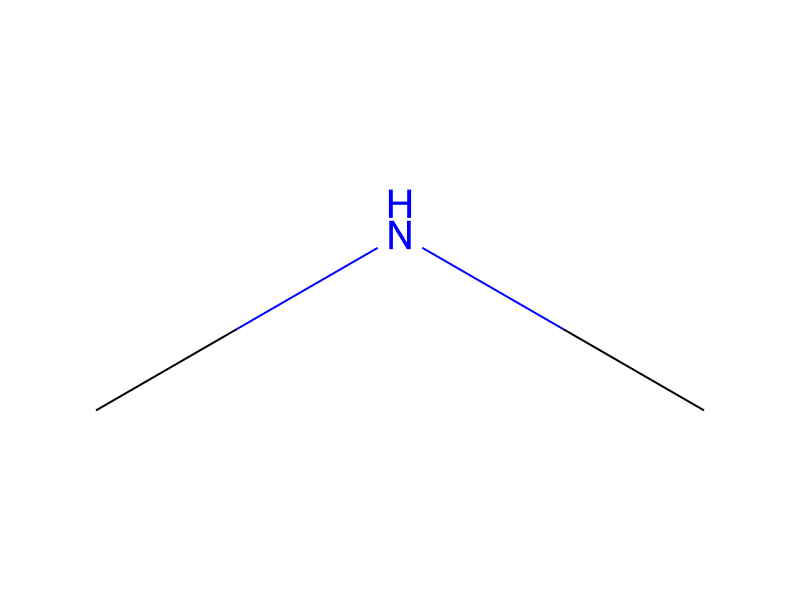
Dimethylamine → (R)-3-(5-acetoxyhexyl)-1,7-dimethyl-5-(N,N-dimethylamino)pyrido[2,3-d]pyrimidine-2,4(1H,3H)-dione
HRID 2416421
Reaction equation

[C:1]([O:4][C@H:5]([CH3:32])[CH2:6][CH2:7][CH2:8][CH2:9][N:10]1[C:15](=[O:16])[C:14]2[C:17](OS(C(F)(F)F)(=O)=O)=[CH:18][C:19]([CH3:21])=[N:20][C:13]=2[N:12]([CH3:30])[C:11]1=[O:31])(=[O:3])[CH3:2].[CH3:33][NH:34][CH3:35]>O1CCCC1>[C:1]([O:4][C@H:5]([CH3:32])[CH2:6][CH2:7][CH2:8][CH2:9][N:10]1[C:15](=[O:16])[C:14]2[C:17]([N:34]([CH3:35])[CH3:33])=[CH:18][C:19]([CH3:21])=[N:20][C:13]=2[N:12]([CH3:30])[C:11]1=[O:31])(=[O:3])[CH3:2]Participants
4
Reactant 2

Product 1

Reagents, catalysts & solvents 1

Conditions
- Temperature
- 0 °C