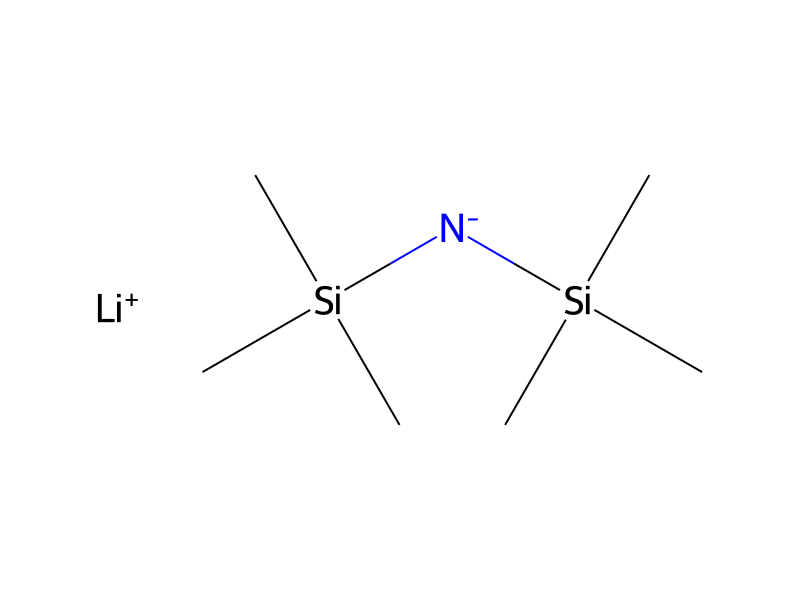
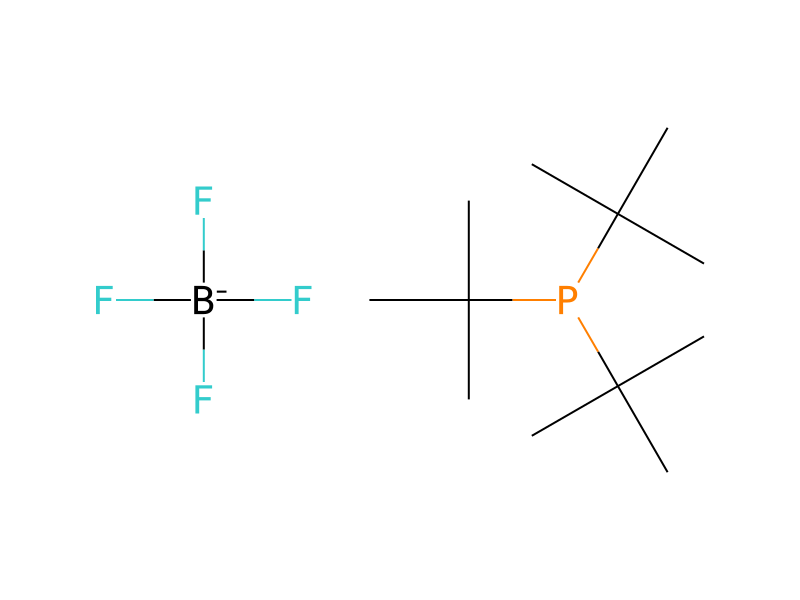
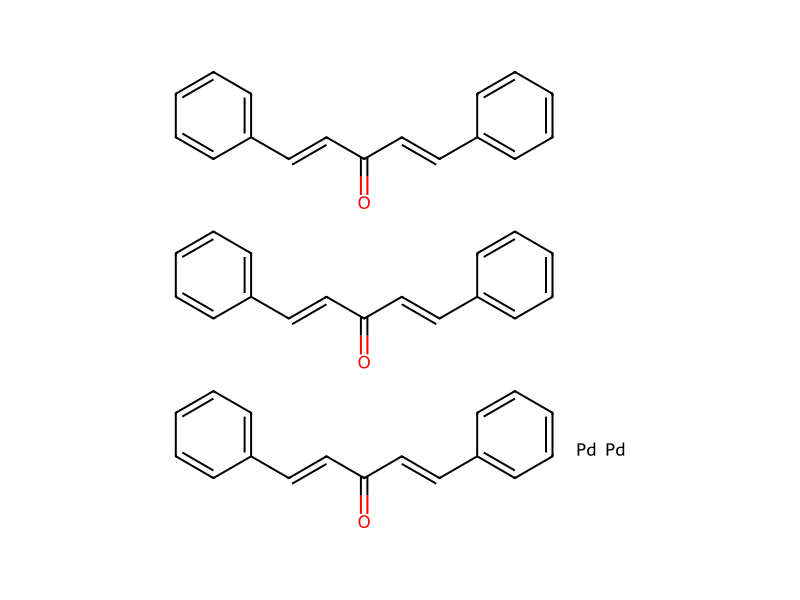
Br[C:2]1[CH:3]=[N:4][C:5]2[C:10]([CH:11]=1)=[CH:9][C:8]([O:12][CH3:13])=[CH:7][CH:6]=2.F[B-](F)(F)F.C(P(C(C)(C)C)C(C)(C)C)(C)(C)C.C[Si]([N-:36][Si](C)(C)C)(C)C.[Li+]>C1(C)C=CC=CC=1.C(OCC)C.[Pd].[Pd].C(=CC(C=CC1C=CC=CC=1)=O)C1C=CC=CC=1.C(=CC(C=CC1C=CC=CC=1)=O)C1C=CC=CC=1.C(=CC(C=CC1C=CC=CC=1)=O)C1C=CC=CC=1>[NH2:36][C:2]1[CH:3]=[N:4][C:5]2[C:10]([CH:11]=1)=[CH:9][C:8]([O:12][CH3:13])=[CH:7][CH:6]=2To a stirred mixture of 3-bromo-6-methoxyquinoline [synthesis given in Tetrahedron (1986), 42, 1475-1485] (2.38 g), tris(dibenzylideneacetone) dipalladium (0) (0.114 g) and tri t-butylphosphine tetrafluoroborate (0.116 g) in toluene (15 ml) under an atmosphere of nitrogen at ambient temperature was added a solution of lithium bistrimethylsilylamide (11.0 ml, 1.0M solution in hexanes). The mixture was stirred for 2 days and the brown suspension diluted with diethyl ether and extracted with 2M aqueous hydrochloric acid (twice) and the acidic fractions combined, washed with diethyl ether and made basic with 2M aqueous sodium hydroxide to give the required product as a brown solid that was used in the next Step without further purification.
Loading…