HomeMCPSkillsWorkbenchOpenChem
HomeWorkbenchNotificationsMe
llms.txt · skill.md · MCP GuidePrivacy Policy · Terms of Service · Supportv1.8.4
  1. Home
  2. /Reaction

Bromine → 1,2-Dibromo-4,5-diethoxy-3-fluorobenzene

HRID 2421582
Print

Reaction equation

[Br:1][C:2]1[CH:3]=[C:4]([F:14])[C:5]([O:11][CH2:12][CH3:13])=[C:6]([O:8][CH2:9][CH3:10])[CH:7]=1.C([O-])(=O)C.[Na+].[Br:20]Br.S([O-])([O-])(=O)=S.[Na+].[Na+]>C(O)(=O)C.O>[Br:1][C:2]1[CH:7]=[C:6]([O:8][CH2:9][CH3:10])[C:5]([O:11][CH2:12][CH3:13])=[C:4]([F:14])[C:3]=1[Br:20]
ParticipantsConditionsProcedureWorkupSources & evidenceReaction notes

Participants

7

Reactant 4

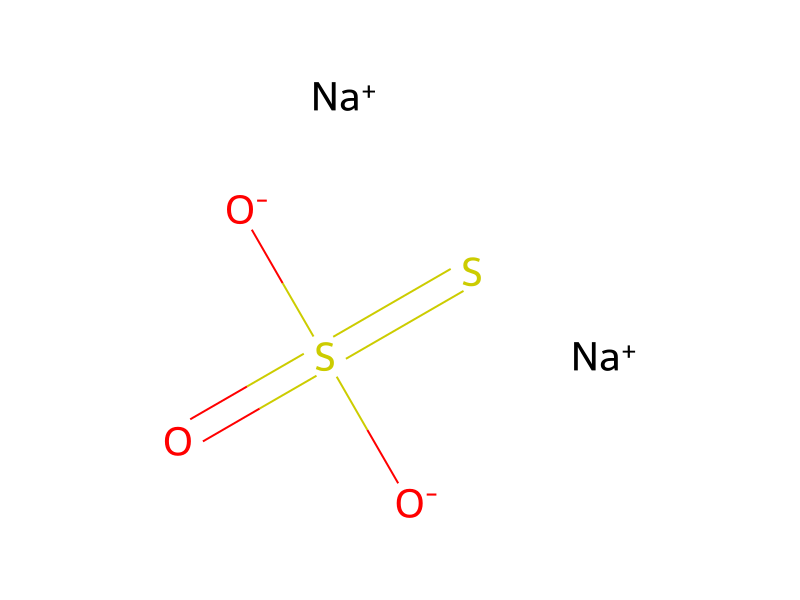
HCID 24408BromineHCID 24477Sodium ThiosulfateHCID 517045Sodium AcetateHCID 596683925-Bromo-1,2-diethoxy-3-fluorobenzene

Product 1

HCID 117098891,2-Dibromo-4,5-diethoxy-3-fluorobenzeneYield 101.4%

Reagents, catalysts & solvents 2

HCID 176
Acetic Acid
Solvent
HCID 962WaterSolvent

Conditions

Temperature
50 °C

Procedure

To a solution of 5-bromo-1,2-diethoxy-3-fluorobenzene (40.0 g, 0.15 mol) in acetic acid (200 mL), sodium acetate (16.2 g, 0.20 mol) and bromine (31.6 g, 0.20 mol) were added sequentially at room temperature, and the mixture was stirred at 50° C. for 1.5 hours. The reaction mixture was cooled to room temperature, and a saturated aqueous solution of sodium thiosulfate (400 mL) and water (400 mL) were added sequentially. The mixture was extracted once with heptane (800 mL) and three times with heptane (400 mL). The organic layer was washed sequentially with water (400 mL), once with a 2 N aqueous solution of sodium hydroxide (200 mL), once with a 2 N aqueous solution of sodium hydroxide (100 mL), and water (400 mL), then dried over anhydrous magnesium sulfate. The solvent was distilled off from the organic layer under reduced pressure and the residue was filtered. The filtrate was then purified by silica gel column chromatography (hexane, ethyl acetate) to give 52.0 g of the title compound (yield:quant.).


Workup

  1. temperatureThe reaction mixture was cooled to room temperature
  2. extractionThe mixture was extracted once with heptane (800 mL) and three times with heptane (400 mL)
  3. washThe organic layer was washed sequentially with water (400 mL), once with a 2 N aqueous solution of sodium hydroxide (200 mL), once with a 2 N aqueous solution of sodium hydroxide (100 mL), and water (400 mL)
  4. dry with materialdried over anhydrous magnesium sulfate
  5. distillationThe solvent was distilled off from the organic layer under reduced pressure
  6. filtrationthe residue was filtered
  7. customThe filtrate was then purified by silica gel column chromatography (hexane, ethyl acetate)

Sources & evidence

ORD record
ord-7633cd7d9e024e218a460e833c48e025
Source dataset
uspto-grants-2011_06
DOI
10.6084/m9.figshare.5104873.v1
Patent number
US07956222B2

Reaction notes

On this pageParticipantsConditionsProcedureWorkupSources & evidenceReaction notes