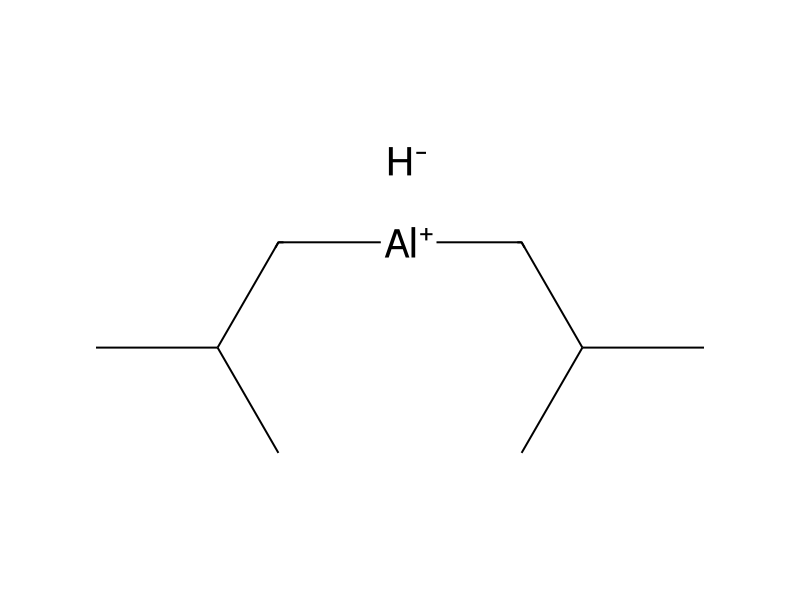
[CH:1]1([C:5]2[O:9][N:8]=[C:7]([CH2:10][O:11][C:12]3[C:17]([CH3:18])=[CH:16][CH:15]=[CH:14][C:13]=3[CH3:19])[C:6]=2[C:20](OCC)=[O:21])[CH2:4][CH2:3][CH2:2]1.[H-].C([Al+]CC(C)C)C(C)C.C1(C)C=CC=CC=1.[C@H](O)(C([O-])=O)[C@@H](O)C([O-])=O.[Na+].[K+]>C(OCC)(=O)C>[CH:1]1([C:5]2[O:9][N:8]=[C:7]([CH2:10][O:11][C:12]3[C:13]([CH3:19])=[CH:14][CH:15]=[CH:16][C:17]=3[CH3:18])[C:6]=2[CH2:20][OH:21])[CH2:2][CH2:3][CH2:4]1To a solution of ethyl 5-cyclobutyl-3-{[(2,6-dimethylphenyl)oxy]methyl}-4-isoxazolecarboxylate (1.08 g, 3.26 mmol) at 0° C. was added a 1.5 M solution of diisobutylaluminum hydride in toluene (7.18 mL, 10.8 mmol) at a slow pace. The solution was allowed to stir while warming slightly for approximately 1.5 hours and then was re-cooled to 0° C. Then approximately 40 mL of Rochelle's salt was slowly added followed by ethyl acetate. The mixture was allowed to warm to ambient temperature and stirred overnight. Then the layers were separated and the aqueous layer was extracted with ethyl acetate. The combined organic layers were washed with brine, dried over magnesium sulfate and concentrated to afford (5-cyclobutyl-3-{[(2,6-dimethylphenyl)oxy]methyl}-4-isoxazolyl)methanol (937 mg, 100%). 1H-NMR (400 MHz, DMSO-d6) δ 7.03-6.91 (m, 3H), 4.97 (t, J=5 Hz, 1H), 4.83 (s, 2H), 4.35 (d, J=5 Hz, 2H), 3.85-3.77 (m, 1H), 2.36-2.26 (m, 4H), 2.14 (s, 6H), 2.10-1.98 (m, 1H), 1.94-1.84 (m, 1H).