HomeMCPWorkbenchSkills
HomeWorkbenchNotificationsMe
llms.txt · MCP GuidePrivacy Policy · Terms of Service · Supportv1.8.3
  1. Home
  2. /Reaction

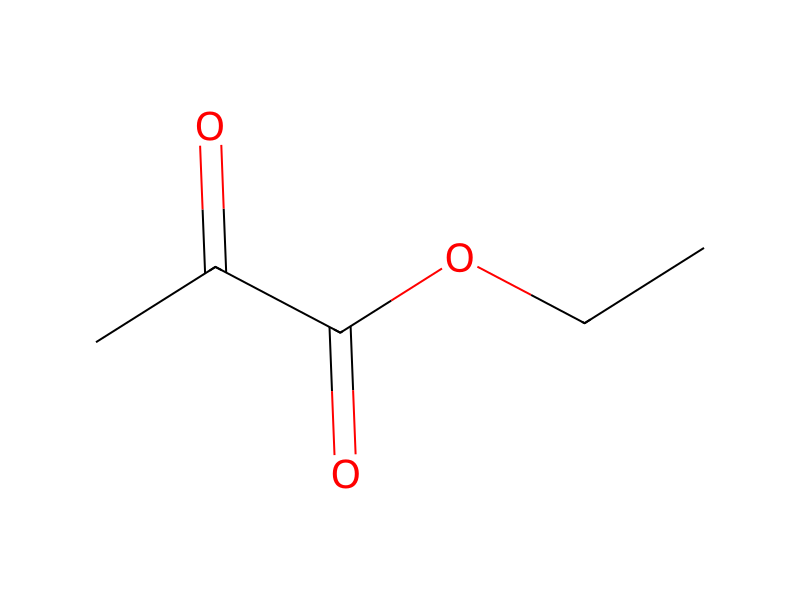
Ethyl pyruvate → Ethyl 6-bromoquinoline-2-carboxylate

HRID 2423509
Print

Reaction equation

HRID 2423509 reaction equation
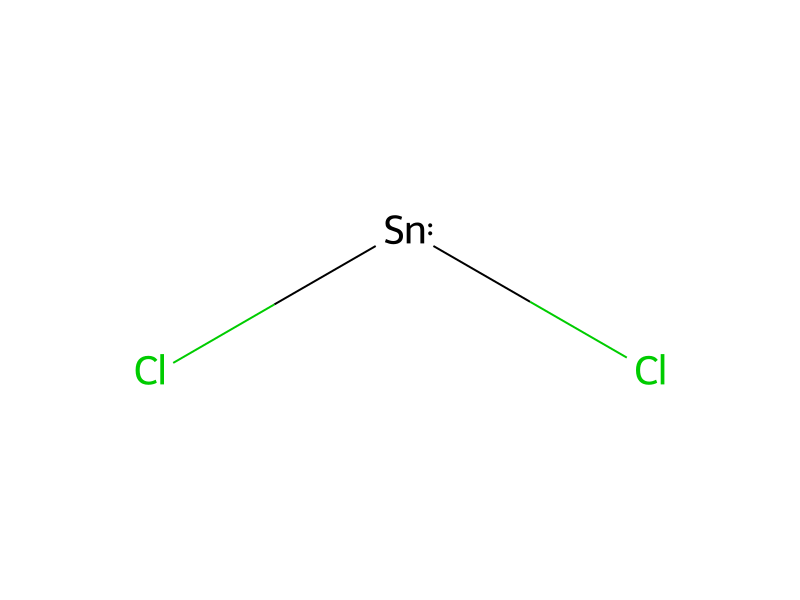
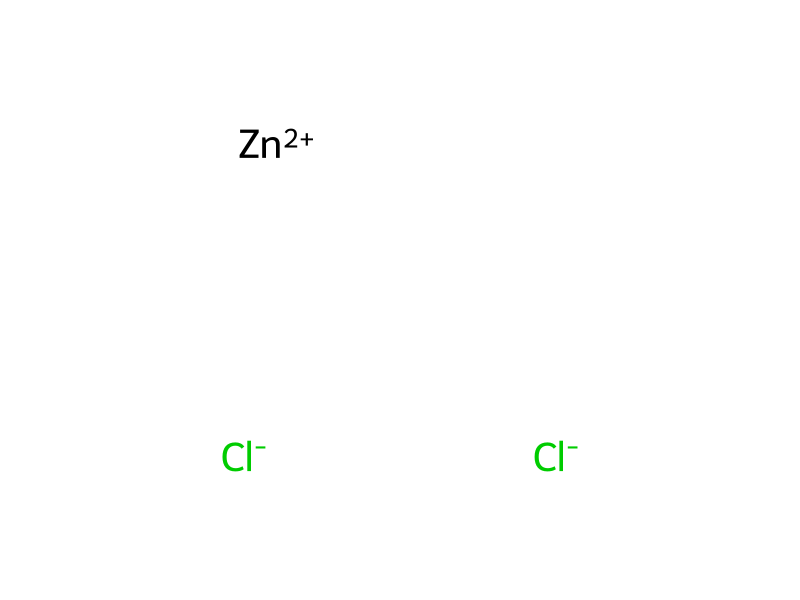
[C:1]([O:6][CH2:7][CH3:8])(=[O:5])[C:2]([CH3:4])=O.[Br:9][C:10]1[CH:11]=[CH:12][C:13]([N+:18]([O-])=O)=[C:14]([CH:17]=1)[CH:15]=O.[Sn](Cl)Cl>C(O)C.[Cl-].[Zn+2].[Cl-]>[Br:9][C:10]1[CH:17]=[C:14]2[C:13](=[CH:12][CH:11]=1)[N:18]=[C:2]([C:1]([O:6][CH2:7][CH3:8])=[O:5])[CH:4]=[CH:15]2
ParticipantsConditionsProcedureWorkupSources & evidenceReaction notes

Participants

6

Reactant 3

HCID 12041Ethyl pyruvateHCID 24479Stannous ChlorideHCID 972335-Bromo-2-nitrobenzaldehyde

Product 1

HCID 53404703Ethyl 6-bromoquinoline-2-carboxylateYield 14.1%

Reagents, catalysts & solvents 2

HCID 3007855SinkkikloridiCatalyst
HCID 702
Ethanol
Solvent

Conditions

Temperature
70 °C

Procedure

Ethyl pyruvate (535.4 mg, 4.61 mmol) was added to 5-Bromo-2-nitro-benzaldehyde (1.01 g, 4.39 mmol) in ethanol (22 mL) at room temperature under argon. Then, tin(II)chloride (4.16 g, 21.95 mmol) was added to the reaction mixture, followed by the addition of zinc(II)chloride (2.99 g, 21.95 mmol), and finally activated 4 Å molecular sieve pellets (1.01 g). The mixture was heated at 70° C. in an oil bath for twenty hours, then allowed to cool to room temperature, and carefully quenched with saturated sodium bicarbonate. Ethyl acetate was added, and the mixture was filtered through Celite®. The filtrate was extracted with ethyl acetate, and the organic layer was dried over anhydrous magnesium sulfate, then filtered and concentrated. The residue was purified by silica gel chromatography eluting with dichloromethane and subsequently a second silica gel chromatography purification eluting with 1:4 ethyl acetate:hexanes to give 173.6 mg (14%) of ethyl 6-bromo-2-quinolinecarboxylate as a solid. 1H NMR (400 MHz, d6-DMSO): δ 8.55 (d, J=9 Hz, 1H), 8.42 (d, J=2 Hz, 1H), 8.16 (d, J=9 Hz, 1H), 8.11 (d, J=9 Hz, 1H), 7.98 (dd, J=9, 2 Hz, 1H), 4.42 (q, J=7 Hz, 2H), 1.37 (t, J=7 Hz, 3H). ESI-LCMS m/z 280 (M+H)+.

Workup

  1. temperatureto cool to room temperature
  2. customcarefully quenched with saturated sodium bicarbonate
  3. additionEthyl acetate was added
  4. filtrationthe mixture was filtered through Celite®
  5. extractionThe filtrate was extracted with ethyl acetate
  6. dry with materialthe organic layer was dried over anhydrous magnesium sulfate
  7. filtrationfiltered
  8. concentrationconcentrated
  9. customThe residue was purified by silica gel chromatography
  10. washeluting with dichloromethane
  11. customsubsequently a second silica gel chromatography purification
  12. washeluting with 1:4 ethyl acetate

Sources & evidence

ORD record
ord-a5ea3985b63a4c4b8a5a29d520442394
Source dataset
uspto-grants-2011_06
DOI
10.6084/m9.figshare.5104873.v1
Patent number
US07960552B2

Reaction notes

On this pageParticipantsConditionsProcedureWorkupSources & evidenceReaction notes