HomeMCPWorkbenchSkills
HomeWorkbenchNotificationsMe
llms.txt · MCP GuidePrivacy Policy · Terms of Service · Supportv1.8.3
  1. Home
  2. /Reaction

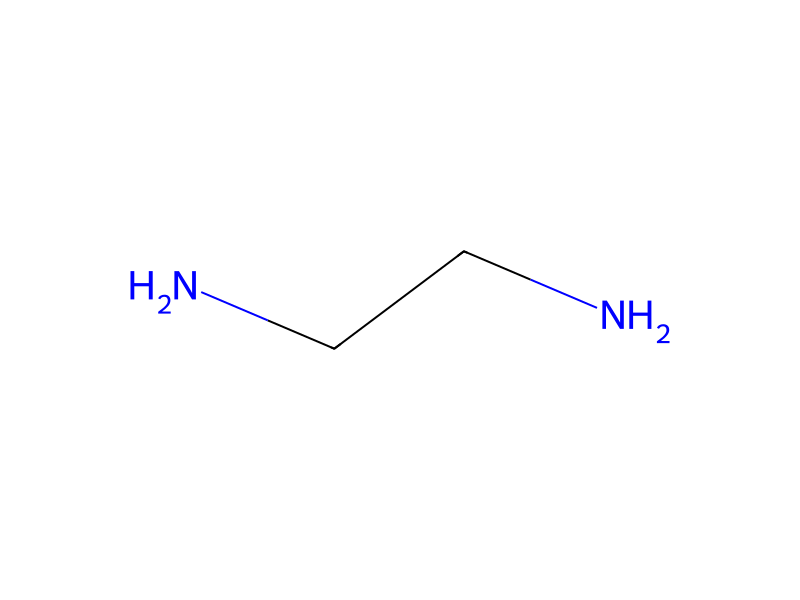
Ethylenediamine → 2-[6-fluoro-1-(2-morpholin-4-yl-ethyl)-1H-indazol-3-yl]-5H-pyrrolo[2,3-b]pyrazine-7-carboxylic acid (1-pyridin-4-yl-ethyl)-amide

HRID 246262
Print

Reaction equation

HRID 246262 reaction equation
[N:1]1[CH:6]=[CH:5][C:4]([CH:7]([NH:9][C:10]([C:12]2[C:20]3[C:15](=[N:16][CH:17]=[C:18]([C:21]4[C:29]5[C:24](=[CH:25][C:26]([F:30])=[CH:27][CH:28]=5)[N:23]([CH2:31][CH2:32][N:33]5[CH2:38][CH2:37][O:36][CH2:35][CH2:34]5)[N:22]=4)[N:19]=3)[N:14](COCC[Si](C)(C)C)[CH:13]=2)=[O:11])[CH3:8])=[CH:3][CH:2]=1.FC(F)(F)C(O)=O.C(N)CN>ClCCl>[N:1]1[CH:6]=[CH:5][C:4]([CH:7]([NH:9][C:10]([C:12]2[C:20]3[C:15](=[N:16][CH:17]=[C:18]([C:21]4[C:29]5[C:24](=[CH:25][C:26]([F:30])=[CH:27][CH:28]=5)[N:23]([CH2:31][CH2:32][N:33]5[CH2:38][CH2:37][O:36][CH2:35][CH2:34]5)[N:22]=4)[N:19]=3)[NH:14][CH:13]=2)=[O:11])[CH3:8])=[CH:3][CH:2]=1
ParticipantsProcedureWorkupSources & evidenceReaction notes

Participants

5

Reactant 3

HCID 3301EthylenediamineHCID 6422Trifluoroacetic acidHCID 712884452-[6-Fluoro-1-(2-morpholin-4-yl-ethyl)-1H-indazol-3-yl]-5-(2-trimethylsilanylethoxymethyl)-5H-pyrrolo[2,3-b]pyrazine-7-carboxylic acid (1-pyridin-4-yl-ethyl)-amide

Product 1

HCID 712884472-[6-fluoro-1-(2-morpholin-4-yl-ethyl)-1H-indazol-3-yl]-5H-pyrrolo[2,3-b]pyrazine-7-carboxylic acid (1-pyridin-4-yl-ethyl)-amideYield 45.9%

Reagents, catalysts & solvents 1

HCID 6344DichloromethaneSolvent

Procedure

2-[6-Fluoro-1-(2-morpholin-4-yl-ethyl)-1H-indazol-3-yl]-5-(2-trimethylsilanylethoxymethyl)-5H-pyrrolo[2,3-b]pyrazine-7-carboxylic acid (1-pyridin-4-yl-ethyl)-amide (70 mg, 0.11 mmol) was combined with dichloromethane (1 mL) then trifluoroacetic acid (0.24 ml, 3.26 mmol) was added. After stirring for 2 h, the reaction mixture was concentrated in vacuo. The residue was dissolved in dichloromethane (1 mL) and ethylenediamine (0.22 ml, 3.26 mmol) was added. The reaction mixture was stirred for 20 min then concentrated in vacuo. The residue was diluted with water then extracted with CH2Cl2 (2×20 ml). The combined organic layers were dried with MgSO4, filtered and concentrated in vacuo to afford 26 mg (44%) of 2-[6-fluoro-1-(2-morpholin-4-yl-ethyl)-1H-indazol-3-yl]-5H-pyrrolo[2,3-b]pyrazine-7-carboxylic acid (1-pyridin-4-yl-ethyl)-amide as a yellow solid. MS: (M+H)+=515; 1H NMR (DMSO-d6) δ: 9.13 (s, 1H), 8.44-8.62 (m, 4H), 8.35 (dd, J=8.9, 5.4 Hz, 1H), 7.73 (dd, J=10.0, 2.0 Hz, 1H), 7.45 (d, J=6.0 Hz, 2H), 6.98 (d, J=2.0 Hz, 1H), 5.29 (t, J=7.2 Hz, 1H), 4.62 (t, J=6.4 Hz, 2H), 3.42-3.59 (m, 4H), 3.30 (m, 4H), 2.85 (t, J=6.4 Hz, 2H), 1.65 (d, J=7.0 Hz, 3H).

Workup

  1. concentrationthe reaction mixture was concentrated in vacuo
  2. dissolutionThe residue was dissolved in dichloromethane (1 mL)
  3. stirringThe reaction mixture was stirred for 20 min
  4. concentrationthen concentrated in vacuo
  5. additionThe residue was diluted with water
  6. extractionthen extracted with CH2Cl2 (2×20 ml)
  7. dry with materialThe combined organic layers were dried with MgSO4
  8. filtrationfiltered
  9. concentrationconcentrated in vacuo

Sources & evidence

ORD record
ord-fb400248792d4595b82fdf8e047fb200
Source dataset
uspto-grants-2014_02
DOI
10.6084/m9.figshare.5104873.v1
Patent number
US08658646B2

Reaction notes

On this pageParticipantsProcedureWorkupSources & evidenceReaction notes