Reaction equation

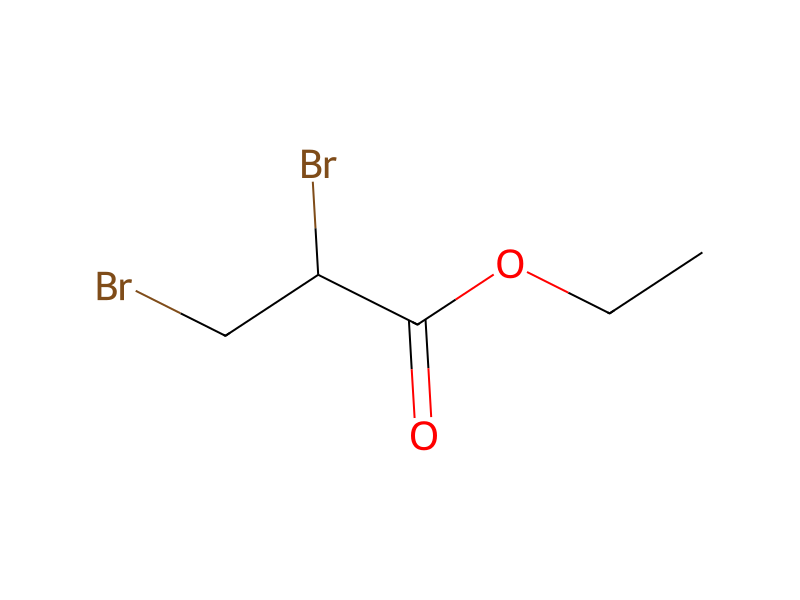
Br[CH:2]([CH2:8]Br)[C:3]([O:5][CH2:6][CH3:7])=[O:4].C([N:17]([CH2:21][C:22]1[CH:27]=[CH:26][CH:25]=[CH:24][CH:23]=1)[CH2:18][CH2:19][NH2:20])C1C=CC=CC=1.C(N(CC)CC)C.[C:35]1([CH3:41])[CH:40]=[CH:39][CH:38]=[CH:37][CH:36]=1>>[C:22]1([CH2:21][N:17]2[CH2:18][CH2:19][N:20]([CH2:41][C:35]3[CH:40]=[CH:39][CH:38]=[CH:37][CH:36]=3)[CH2:8][CH:2]2[C:3]([O:5][CH2:6][CH3:7])=[O:4])[CH:23]=[CH:24][CH:25]=[CH:26][CH:27]=1Participants




Procedure
2,3-Dibromopropionic acid, ethyl ester 7, N,N-dibenzylethylenediamine 8 and triethylamine are reacted in toluene at 80°-100° C., giving 1,4-bis(phenylmethyl)-2-piperazinecarboxylic acid, ethyl ester 9. The ester 9 is then reacted with lithium aluminum hydride in ether, under an inert atmosphere at reflux followed by treatment with an alkali base and an alkali carbonate giving 1,4-bis(phenylmethyl)-2-piperazinemethanol 10, which is then reacted with thicnyl chloride in carbon tetrachloride at 50°-60° C. followed by treatment with an alkali hydroxide, giving 2-chloromethyl-1,4-bis(phenylmethyl)piperazine 11. The compound 11 is then reacted with an amine R4, where R4 is dimethylamine, N-methylpiperazine, etc., giving a 2-substituted methyl-1,4-bis(phenylmethyl)piperazine 12 which is then catalytically reduced in ethanol and cyclohexane, giving piperazine derivative 13. Derivative 13 is then reacted with 6 in pyridine in a sealed unit under argon at 120°-130° C., giving 14. ##STR8##
Sources & evidence
- ORD record
- ord-4471ab1c04f34eff9098814adf0d0d58
- Source dataset
- uspto-grants-1993_05
- Patent number
- US05210193
Linked notes
Loading…