Reaction equation

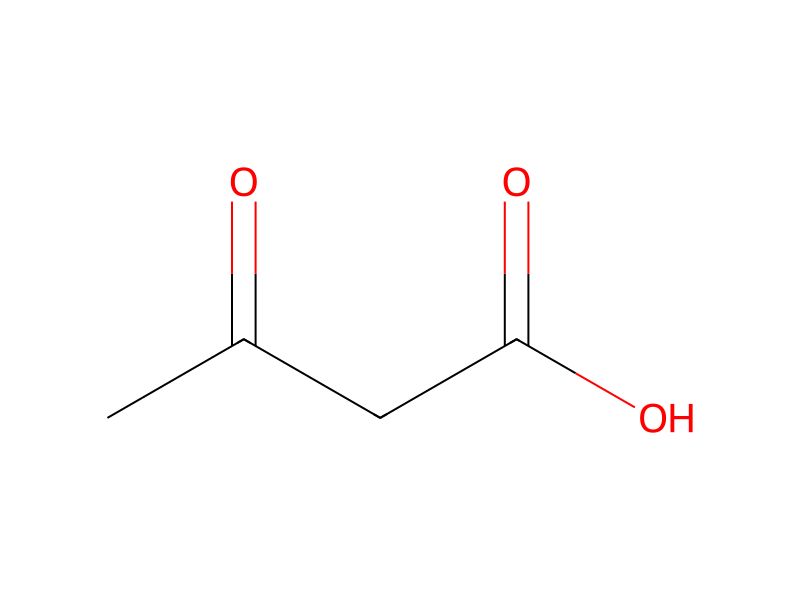
S(Cl)(Cl)=O.[N:5]1[CH:10]=[CH:9][CH:8]=[CH:7][CH:6]=1.[CH2:11](N(CC)CC)[CH3:12].[CH3:18][C:19]([CH2:21][C:22]([OH:24])=[O:23])=[O:20]>O.C(O)C.CO>[CH3:18][C:19]([CH2:21][C:22]([OH:24])=[O:23])=[O:20].[CH2:11]([C:9]1[CH:8]=[CH:7][C:6]([CH2:18][CH2:19][OH:20])=[N:5][CH:10]=1)[CH3:12]Participants







Procedure
Bromination of olefin 2 with bromine in a neutral solvent e.g. dichloromethane, carbon tetrachloride, can give 5. Similarly, cyclic sulfate 10a may be prepared via oxidation of cyclic sulfite 10b, which in turn may be obtained form diol 11 by reacting with thionyl chloride, in the presence of bases e.g. pyridine, triethylamine. The formation of diol 11, can be achieved from diacetate 17, by treatment with base in water or methanol or ethanol. Alternatively, one can also prepare diol 11, from the diacetate 17 which in turn can be obtained from N-oxide of 5-ethyl-2-pyridyl-2-ethanol as shown in scheme I. In an the above transformations (Scheme I) upon completion of the reaction, the desired compound is easily isolated from the reaction mixture in a most conventional manner eg. extracting in organic layer, washing with water, drying organic layer, concentrating and purifying/crystallizing the desired final product.
Sources & evidence
- ORD record
- ord-f59aabf097bb4a138279ddd1f834b118
- Source dataset
- uspto-grants-2011_01
- Patent number
- US07863300B2
Linked notes
Loading…