Pyridine → 4-(4-Cyano-benzoylamino)-3-hydroxy-benzoic acid
Reaction equation

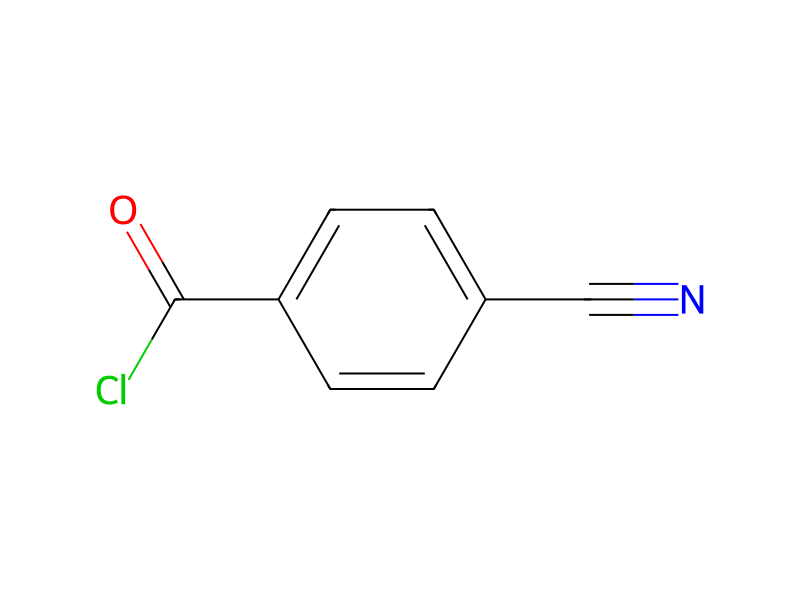
NC1C=C(C=CC=1O)[C:5]([OH:7])=[O:6].[N:12]1[CH:17]=[CH:16][CH:15]=[CH:14][CH:13]=1.[C:18]([C:20]1[CH:28]=[CH:27][C:23]([C:24](Cl)=[O:25])=[CH:22][CH:21]=1)#[N:19].C1C[O:32][CH2:31]C1>>[C:18]([C:20]1[CH:28]=[CH:27][C:23]([C:24]([NH:12][C:17]2[CH:16]=[CH:15][C:14]([C:5]([OH:7])=[O:6])=[CH:13][C:31]=2[OH:32])=[O:25])=[CH:22][CH:21]=1)#[N:19]Participants
5




Procedure
To a stirred solution of 3-Amino-4-hydroxy benzoic acid (0.185 g, 0.0012 mols) and pyridine (0.287 g, 0.00363 mols) in 18.5 ml dry THF is added 4-cyanobenzoyl chloride (0.2 g, 0.0012 mols) and the solution is stirred under nitrogen atmosphere at RT for 10 hrs and then refluxed for 3 hrs. The reaction mixture is rotary evaporated and the residue is slurried in water and filtered to get the amide (0.18 g) which is taken for the next step without further purification.
Workup
- temperaturerefluxed for 3 hrs
- customThe reaction mixture is rotary evaporated
- filtrationfiltered
Sources & evidence
- ORD record
- ord-e6c54fb2f43e478bbb9c05eff783b057
- Source dataset
- uspto-grants-2011_01
- Patent number
- US07868033B2
Reaction notes
Loading…