Reaction equation

[CH:1]1[C:13]2[C:12]3([C:25]4[CH:24]=[CH:23][CH:22]=[CH:21][C:20]=4[C:19]4[C:14]3=[CH:15][CH:16]=[CH:17][CH:18]=4)[C:11]3[C:6](=[CH:7][CH:8]=[CH:9][CH:10]=3)[C:5]=2[CH:4]=[CH:3][CH:2]=1.[Br:26]Br.S([O-])(O)=O.[Na+]>[Fe](Cl)(Cl)Cl.O>[Br:26][C:16]1[CH:17]=[CH:18][C:19]2[C:20]3[C:25](=[CH:24][CH:23]=[CH:22][CH:21]=3)[C:12]3([C:11]4[CH:10]=[CH:9][CH:8]=[CH:7][C:6]=4[C:5]4[C:13]3=[CH:1][CH:2]=[CH:3][CH:4]=4)[C:14]=2[CH:15]=1Participants
Reactant 3



Product 1

Reagents, catalysts & solvents 2

Procedure
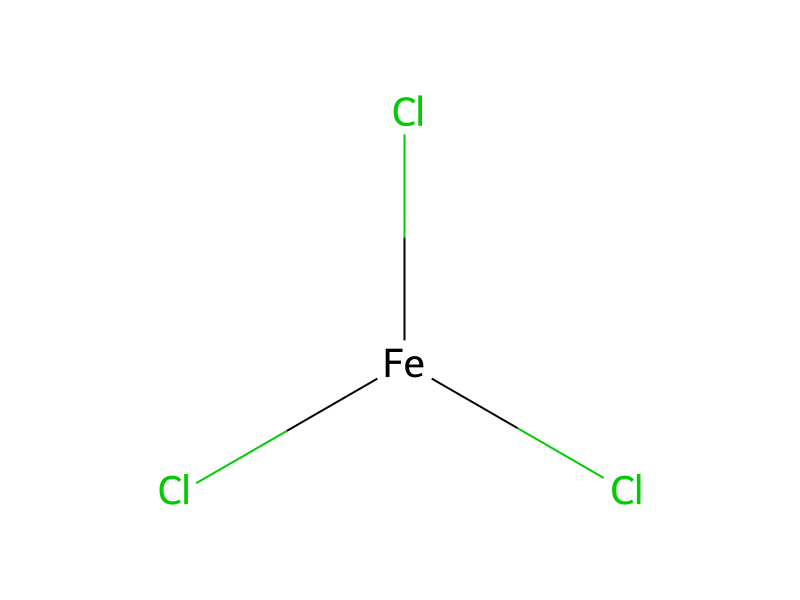
In a two-liter flask having four openings equipped with a stirrer, a thermometer, a dropping funnel, and a reflux condenser, respectively, 1 L of water, three drops of a surfactant, 10.7 g (0.0395 mol) of anhydrous iron (III) chloride, and 253 g (0.8 mol) of 9,9′-spirobifluorene were placed and stirred to mix. By adding 102 g (0.638 mol) of bromine into the mixture, a reaction was started. After the reaction had been conducted at room temperature for 3 hours, unreacted bromine was decomposed with an aqueous solution of sodium hydrogen sulfite. The reaction product, which was a solid, was filtered and washed with water. Thus, 298 g of a crude product was obtained. The crude product was recrystallized using dioxane, thus resulting in 245 g (0.62 mol, yield of 78%) of a white solid, which is the target product. This product was subjected to gas chromatography and the purity of the product was 99%.
Workup
- customequipped with a stirrer
- additionto mix
- filtrationwas filtered
- washwashed with water
- customThus, 298 g of a crude product was obtained
- customThe crude product was recrystallized
Sources & evidence
- ORD record
- ord-5c1054c0776b4e939647d9a3edb4bc60
- Source dataset
- uspto-grants-2005_02
- Patent number
- US06858764B2
Linked notes
Loading…