Reaction equation

[CH:1]1[C:10]2[C:5](=[CH:6][CH:7]=[CH:8][CH:9]=2)[CH:4]=[N:3][N:2]=1.[N+:11]([O-])([O-:13])=[O:12].[K+].[OH-].[Na+]>S(=O)(=O)(O)O>[N+:11]([C:9]1[CH:8]=[CH:7][CH:6]=[C:5]2[C:10]=1[CH:1]=[N:2][N:3]=[CH:4]2)([O-:13])=[O:12]Participants
5
Reactant 3


Product 1

Reagents, catalysts & solvents 1

Conditions
- Temperature
- 110 °C
Procedure
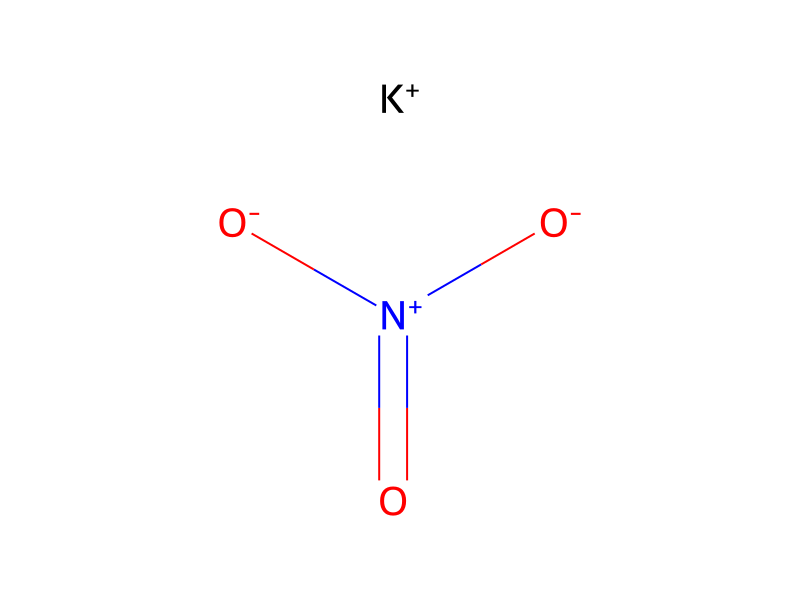
The 5-nitrophthalazine of formula (Y) was prepared according to prior art literature (Patrick, J.; Ragunathan, R., J. Chem. Soc. Perkin Trans. I, 1993, 211). A reaction vessel charged with phthalazine (the compound of formula (X), 4.0 g, 30 mmol) in conc. 96% sulfuric acid (30 mL) was further charged with potassium nitrate (14.6 g, 144 mmol) in small portions. Once the addition was complete, the solution was heated to 110° C. overnight. The mixture was then poured over ice and neutralized with sodium hydroxide solution resulting in the formation of a precipitate. The solid was isolated by filtration to yield 2.5 g (47%) of 5-nitrophthalazine of formula (Y) which was used in the following reaction without further purification.
Workup
- additionOnce the addition
- customresulting in the formation of a precipitate
- customThe solid was isolated by filtration
Sources & evidence
- ORD record
- ord-fc09f74475e64d0c84b7c92670b6aa1d
- Source dataset
- uspto-grants-2011_01
- Patent number
- US07875728B2
Linked notes
Loading…