HomeMCPSkillsWorkbenchOpenChem
HomeWorkbenchNotificationsMe
llms.txt · skill.md · MCP GuidePrivacy Policy · Terms of Service · Supportv1.8.5
  1. Home
  2. /Reaction

Phosphorus oxide (P4O10) → Phosphoric Acid

HRID 256138
Print

Reaction equation

[O:1]=[P:2]12[O:13]P3(OP(OP(O3)([O:9]1)=O)(=O)[O:3]2)=O.[Cl:15]Cl.P([O-])([O-])([O-])=O.[Al+3:22]>[Fe]>[Cl-:15].[Al+3:22].[Cl-:15].[Cl-:15].[P:2](=[O:1])([OH:13])([OH:9])[OH:3]
ParticipantsProcedureWorkupSources & evidenceReaction notes

Participants

6

Reactant 3

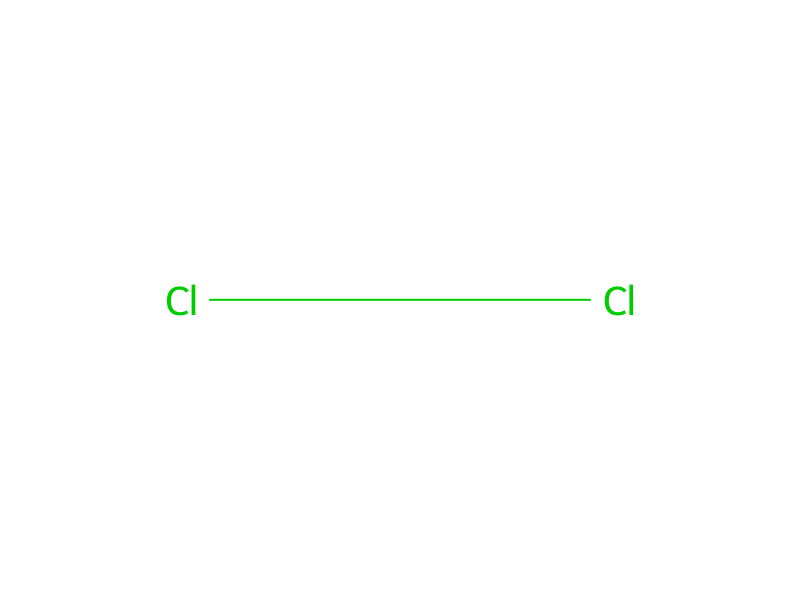
HCID 14812Phosphorus oxide (P4O10)HCID 24526ChlorineHCID 64655Aluminum Phosphate

Product 2

HCID 1004Phosphoric AcidHCID 6451240Aluminum(III) Chloride

Reagents, catalysts & solvents 1

HCID 23925IronCatalyst

Procedure

This demonstrated that there was no loss of P2O5 on firing. The powder was amorphous and was examined on an x-ray diffractometer. SEM/TEM revealed small crystals dispersed here and there in the amorphous matrix. These crystals were identified as an odd phase of AlPO4, which becomes amorphous on bombardment by the electron beam. Typical yield of this reaction was 93%. The calcined powder was white and carbon free because the starting materials contained no iron or chlorine. The product is superior in purity to aluminum phosphate produced by the reaction of aluminum chloride and phosphoric acid.

Workup

  1. additiondispersed here and there in the amorphous matrix

Sources & evidence

ORD record
ord-ca849729684f406ebffa9c27595bc991
Source dataset
uspto-grants-1987_10
DOI
10.6084/m9.figshare.5104873.v1
Patent number
US04701314

Reaction notes

On this pageParticipantsProcedureWorkupSources & evidenceReaction notes