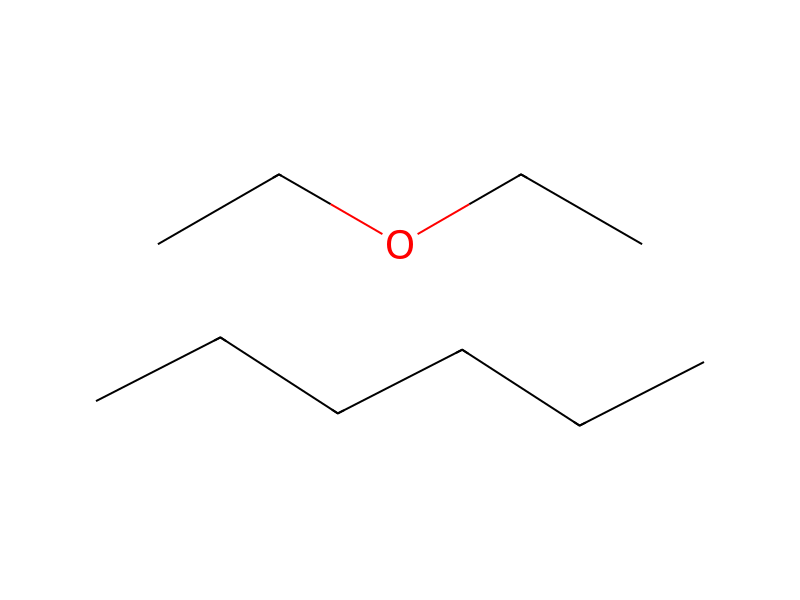
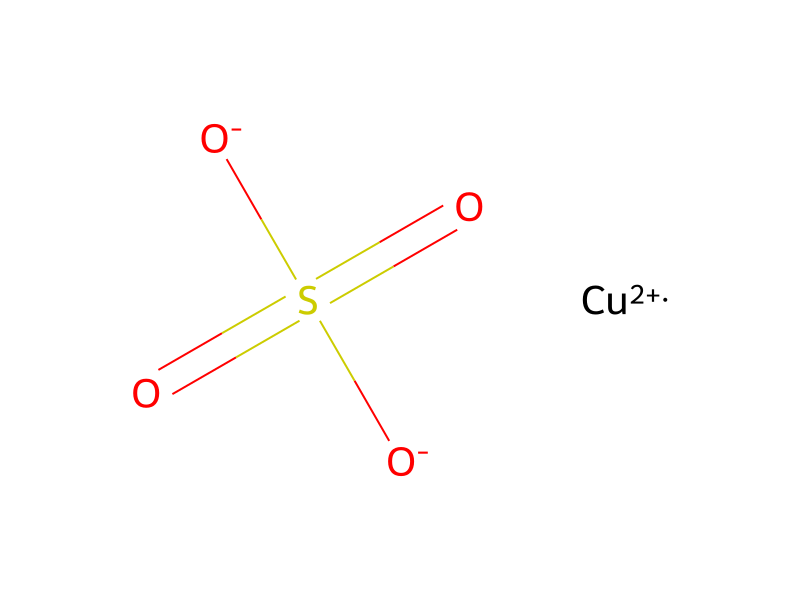
To a suspension of 0.7 g (0.0036 mole) of (4-hydroxymethyl-2,3,5-trifluoropyridin-6-yl)hydrazine (from Example 6) in 25 ml of distilled water was added a solution of 2.5 g (0.016 mole) of copper (II) sulfate during a 1.5 hour period. Nitrogen evolution continued while the reaction mixture was stirred at ambient temperature for two hours and while it refluxed for an additional two hours. After being cooled, the reaction mixture was extracted with diethyl ether. This extract was dried over anhydrous magnesium sulfate, filtered, and the solvent was evaporated under reduced pressure, leaving a brown oil. This oil was passed through a short column of silica gel using a mixture of diethyl ether and hexane (50/50) as eluant. The appropriate fractions were combined and the solvent evaporated under reduced pressure, yielding 0.3 g of 4-hydroxymethyl-2,3,5-trifluoropyridine as a yellow oil. The structure and nmr spectra for this compound are set forth in Table 1C.