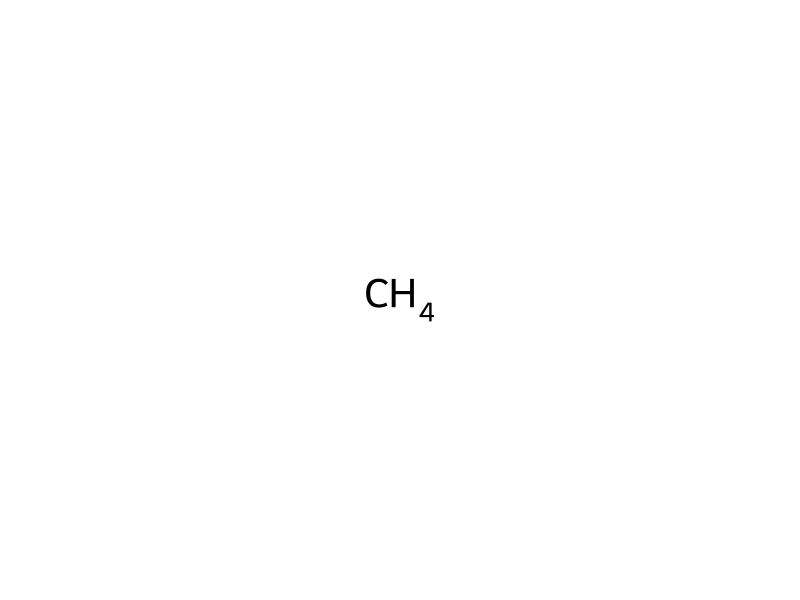
[Cl:1][C:2]1[CH:7]=[CH:6][C:5]([N+:8]([O-:10])=[O:9])=[CH:4][C:3]=1[N+:11]([O-:13])=[O:12].[N:14]1[CH:19]=[CH:18][CH:17]=[CH:16][CH:15]=1.C>C(O)C>[Cl-:1].[N+:11]([C:3]1[CH:4]=[C:5]([N+:8]([O-:10])=[O:9])[CH:6]=[CH:7][C:2]=1[N+:14]1[CH:19]=[CH:18][CH:17]=[CH:16][CH:15]=1)([O-:13])=[O:12]1-Chloro-2,4-dinitrobenzene (10 g, 49.4 mmol) and pyridine (40 ml, 495 mmol) were mixed in a 100 ml round-bottom flask; the resultant solution turned orange and became very cold. The flask was then warmed to 30° C, by which time the solution was dark brown, and the solution was left to react overnight. The resulting solid was broken up, washed with ether and collected on a fritted glass funnel to yield 12.3 g of a pale pink, semicrystalline solid. This solid was dissolved in 120 ml of hot ethanol, and the resultant solution decolorized with charcoal and filtered. The crystals obtained were washed with a 1:1 v/v ethanol:ether mixture. A second crop of crystals was collected and combined with the first crop, to give an overall yield of 70% of theoretical.