HomeMCPWorkbenchSkills
HomeWorkbenchNotificationsMe
llms.txt · MCP GuidePrivacy Policy · Terms of Service · Supportv1.8.0
  1. Home
  2. /Reaction

Acetate → Calcium Acetate

HRID 258177
Notes
Print preview

Reaction equation

HRID 258177 reaction equation
[C:1]([OH:5])(=[O:4])[CH2:2][CH3:3].C=O.[C:8]([O-:11])(=[O:10])[CH3:9].[CH:12]([O-:14])=[O:13].[C:15]([O-:19])(=[O:18])[CH2:16][CH3:17].[Ca:20]>C(O)=O.C(O)(=O)C>[C:1]([O-:5])(=[O:4])[CH3:2].[Ca+2:20].[C:8]([O-:11])(=[O:10])[CH3:9].[CH:12]([O-:14])=[O:13].[Ca+2:20].[CH:15]([O-:19])=[O:18].[C:15]([O-:19])(=[O:18])[CH2:16][CH3:17].[Ca+2:20].[C:1]([O-:5])(=[O:4])[CH2:2][CH3:3]
ParticipantsProcedureWorkupSources & evidenceReaction notes

Participants

11

Reactant 6

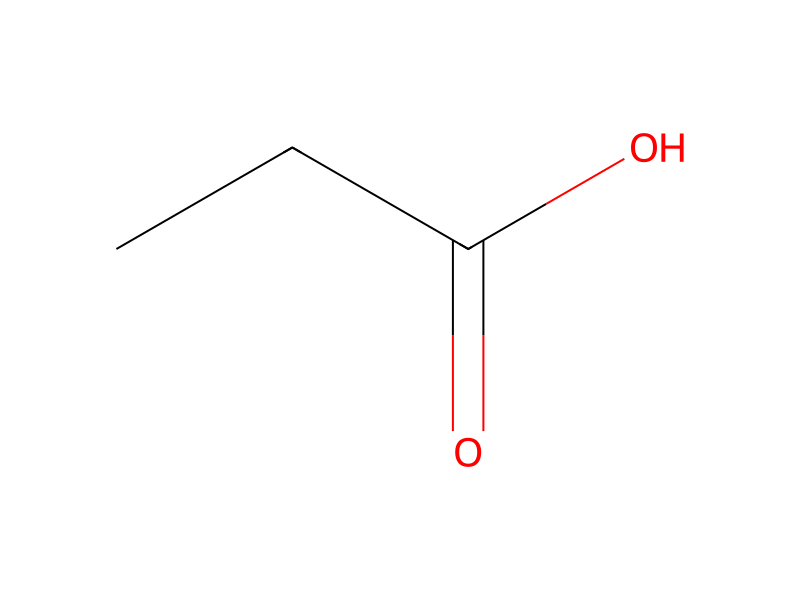
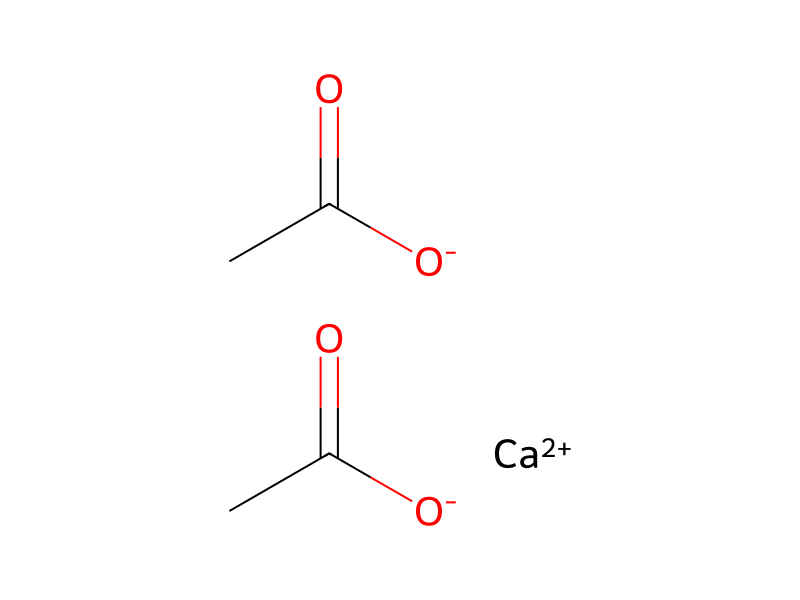
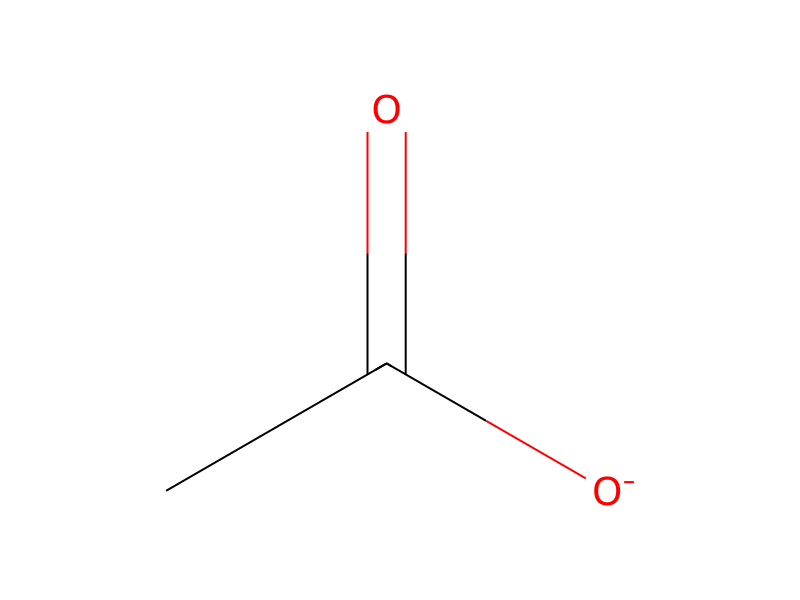
HCID 175Acetate2×HCID 283Formate2×HCID 712Formaldehyde2×HCID 1032Propionic Acid3×HCID 104745Propionate ion2×HCID 5460341Calcium3×

Product 3

HCID 6116
Calcium Acetate
HCID 10997Calcium formate
HCID 19999Calcium propionate

Reagents, catalysts & solvents 2

HCID 176Acetic AcidSolvent3×HCID 284Formic AcidSolvent3×

Procedure

This invention relates to a process for recovering calcium formate, propionate or acetate from biomass. According to the invention, a cellulose-, hemicellulose- or starch-containing biomass is subjected to rapid pyrolysis to obtain a crude product containing an aqueous phase and an organic phase. The product obtained, preferably as the aqueous phase, is then distilled to produce a distillate containing at least one acid selected from acetic acid, formic acid and propionic acid as well as their esters and formaldehyde. An alkaline source of calcium is added to this distillate to adjust the pH to an alkaline level sufficient to hydrolyze the esters, cause at least partial oxidation of the formaldehyde and prevent volatilization of acetate, formate or propionate ions as acetic acid, formic acid or propionic acid respectively. For this purpose, the pH is adjusted to a level sufficient to prevent volatilization of acetate, formate or propionate as acetic acid, formic acid or propionic acid respectively. The pH is preferably above 7, but preferably sufficiently low as to avoid residual unreacted alkaline calcium in the calcium salt. A pH range of 7.8 to 8.0 is particularly preferred. This pH adjusted alkaline liquid is then subjected to a further distillation to remove water and volatile organic components and produce at least one of calcium acetate, calcium formate and calcium propionate as solid residue.

Workup

  1. additioncontaining an aqueous phase
  2. customThe product obtained, preferably as the aqueous phase
  3. distillationis then distilled
  4. customto produce a distillate
  5. additioncontaining at least one acid
  6. distillationis then subjected to a further distillation
  7. customto remove water and volatile organic components

Sources & evidence

ORD record
ord-c198e8ccf0c445ec8335970ed7b50354
Source dataset
uspto-grants-1993_11
DOI
10.6084/m9.figshare.5104873.v1
Patent number
US05264623

Reaction notes

Loading…

On this pageParticipantsProcedureWorkupSources & evidenceReaction notes