HomeMCPWorkbenchSkills
HomeWorkbenchNotificationsMe
llms.txt · MCP GuidePrivacy Policy · Terms of Service · Supportv1.8.3
  1. Home
  2. /Reaction

Methyl Chloride → 1,2,3,4-Tetramethylcyclopentadiene

HRID 265833
Print

Reaction equation

HRID 265833 reaction equation
[OH-].[Na+].[CH3:3][C:4]1[C:5]([CH3:10])=[C:6]([CH3:9])[CH2:7][CH:8]=1.[CH3:11]Cl>[Cl-].C([N+](CCCC)(CCCC)C)CCC>[CH3:3][C:4]1[CH2:8][C:7]([CH3:11])=[C:6]([CH3:9])[C:5]=1[CH3:10]
ParticipantsProcedureWorkupSources & evidenceReaction notes

Participants

5

Reactant 3

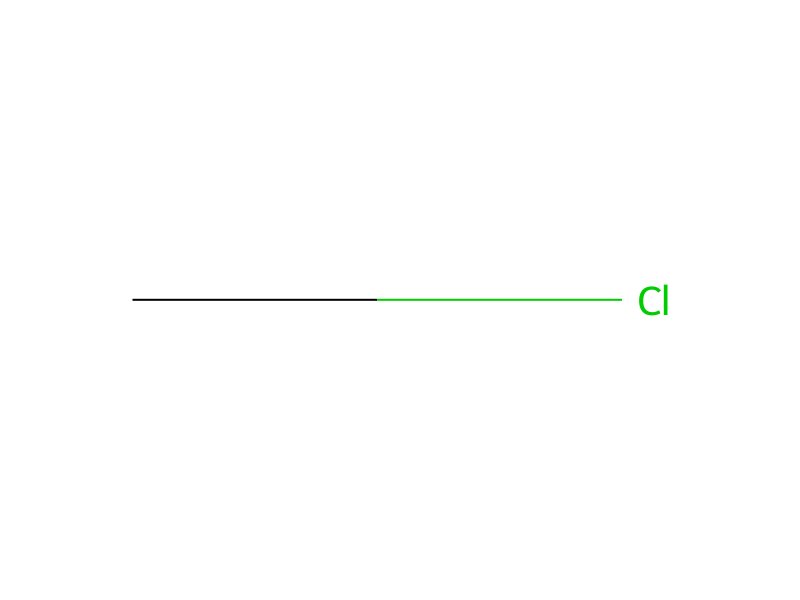
HCID 6327Methyl ChlorideHCID 14798Sodium HydroxideHCID 1380631,2,3-Trimethylcyclopentadiene

Product 1

HCID 1381631,2,3,4-Tetramethylcyclopentadiene

Reagents, catalysts & solvents 1

HCID 91822Tributylmethylammonium chlorideCatalyst

Procedure

A stainless steel autoclave is charged with 50% sodium hydroxide (57 g, 0.7 mole), 80 percent tri-n-butylmethylammonium chloride (1 g, 0.0034 mole), and trimethylcyclopentadiene (mixed isomers, 32.4 g, 0.3 mole). Methyl chloride (15.7 g, 0.31 mole) is added at 60 psi and 25°-30° C. After reaction completion, the organic product phase is separated from the lower aqueous phase containing excess base and sodium chloride slurry. The mixture of crude tetramethylcyclopentadienes is subject to pyrolysis as described in Example 1C to obtain 1,2,3,4-tetramethylcyclopentadiene.

Workup

  1. customAfter reaction completion
  2. customthe organic product phase is separated from the lower aqueous phase
  3. additioncontaining excess base and sodium chloride slurry
  4. additionThe mixture of crude tetramethylcyclopentadienes

Sources & evidence

ORD record
ord-277c4704117e46329f891fd119a363b2
Source dataset
uspto-grants-1997_07
DOI
10.6084/m9.figshare.5104873.v1
Patent number
US05648578

Reaction notes

On this pageParticipantsProcedureWorkupSources & evidenceReaction notes