Reaction equation

[OH-:1].[Na+].[F:3][C:4]1[CH:9]=[C:8]([F:10])[CH:7]=[CH:6][C:5]=1[C:11]1[CH:16]=[CH:15][C:14]([C:17]([OH:22])([CH3:21])[CH2:18][CH2:19][OH:20])=[CH:13][CH:12]=1>[Ag]=O.[N+]([O-])([O-])=O.[Ag+].O>[F:3][C:4]1[CH:9]=[C:8]([F:10])[CH:7]=[CH:6][C:5]=1[C:11]1[CH:16]=[CH:15][C:14]([C:17]([OH:22])([CH3:21])[CH2:18][C:19]([OH:1])=[O:20])=[CH:13][CH:12]=1Participants
6




Procedure
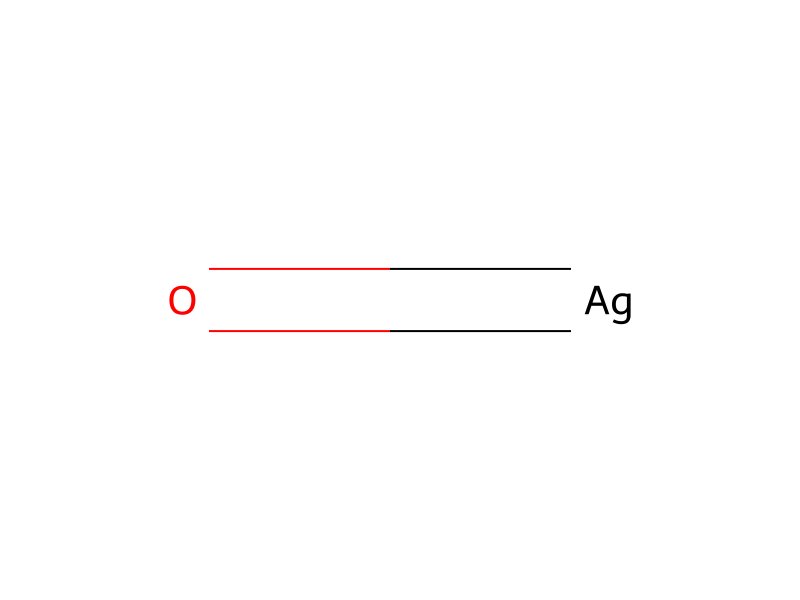
Silver oxide, freshly prepared from 3.2 g. of AgNO3 and 0.8 g. of NaOH in 25 ml. of water, is added to a mixture of 2.78 g. of 3-(2',4'-difluoro-4-biphenylyl)butane-1,3-diol and 2 g. of NaOH in 20 ml. of water. The mixture is heated under reflux for 2 hours and filtered. The filtrate is worked up in the customary manner to give 3-(2',4'-difluoro-4-biphenylyl)-3-hydroxybutyric acid, m.p. 121°-123°.
Workup
- temperatureThe mixture is heated
- temperatureunder reflux for 2 hours
- filtrationfiltered
Sources & evidence
- ORD record
- ord-c1d12b4e009b4caea87982793f81e86f
- Source dataset
- uspto-grants-1979_04
- Patent number
- US04151302
Linked notes
Loading…