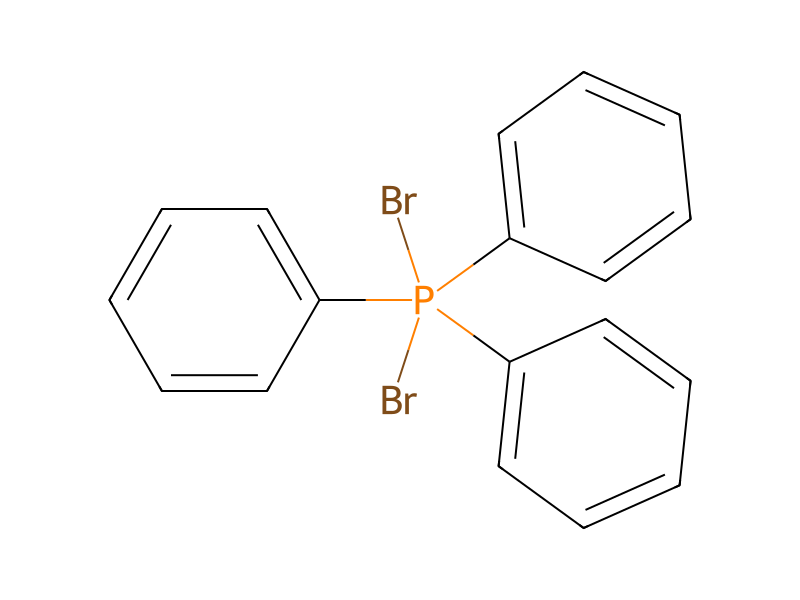
17.92 g (0.1 mole) of 2-amino-9-(2-hydroxyethyl)purine was completely dissolved in 400 ml of acetonitrile, to which 84.42 g (0.20 mole) of dibromotriphenylphosphine was then added. The mixture was stirred for 5 hours at a temperature of 30-40° C. After completion of the reaction, 300 ml of water was added to the reaction product. The resulting solution was neutralized with aqueous sodium hydroxide solution and extracted four times with 500 ml portions of a mixed solution of chloroform and methanol (4:1). The organic layer was collected, and dried with anhydrous magnesium sulfate, followed by filtration and washing. The resulting filtrate was concentrated under reduced pressure, and crystallized from chloroform, 22.03 g (91%) of white 2-amino-9-(2-bromoethyl)purine.