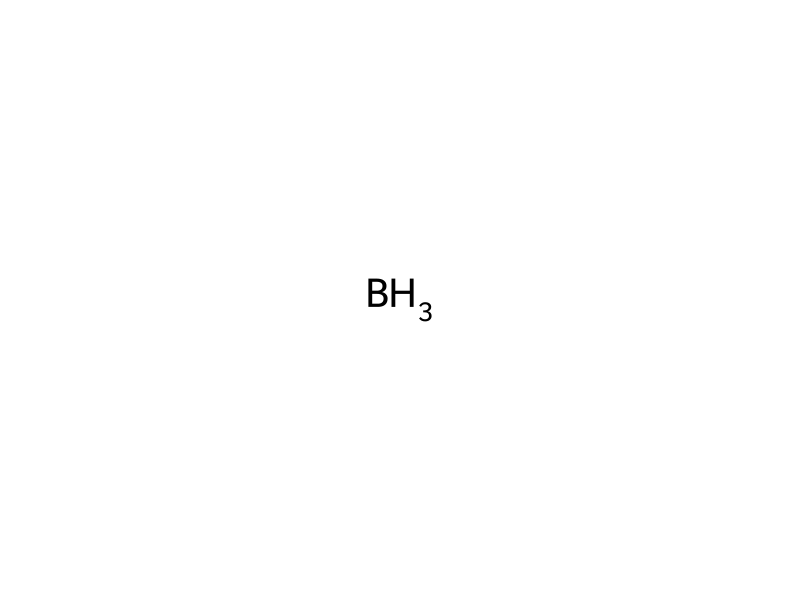
A solution of chloromethyl 6-chloro-2-pyridyl ketone (8.126 g) in tetrahydrofuran (32 ml) and a solution of borane in tetrahydrofuran (1.0M, 25.7 ml) were added simultaneously to a mixture of a solution (R)-tetrahydro-3,3-diphenyl-1H,3H-pyrrolo[1,2-c][1,3,2]-oxazaborole in tetrahydrofuran (ca. 0.335M, 8.9 ml) and a solution of borane in tetrahydrofuran (1.0M, 4.3 ml) at -5° C. under nitrogen atmosphere over 0.5 hour and the whole was stirred for 3.5 hours. Methanol (10.4 ml) was added dropwise to the mixture at 0° C. and the whole was stirred at ambient temperature overnight. The mixture was evaporated in vacuo and the residue was partitioned between ethyl acetate and 1N hydrochloric acid. The organic layer was separated and the aqueous layer was extracted with ethyl acetate. The combined organic layer was washed with brine, dried over sodium sulfate, and evaporated in vacuo. The residue was purified by column chromatography on silica gel with chloroform as an eluent to give (-)-2-chloro-1-(6-chloro-2-pyridyl)ethanol (7.98 g) as an oil.