Reaction equation

[Cl:1][C:2]1[CH:27]=[CH:26][C:5]([CH2:6][CH:7]2[CH2:13][CH2:12][CH2:11][CH2:10][CH2:9][N:8]2[CH2:14][CH2:15][CH2:16][C:17](=O)[C:18]2[CH:23]=[CH:22][C:21]([F:24])=[CH:20][CH:19]=2)=[CH:4][CH:3]=1.O.NN.[OH-].[K+].C(O)COCCOCCO>C(OCC)C.O>[Cl:1][C:2]1[CH:3]=[CH:4][C:5]([CH2:6][CH:7]2[CH2:13][CH2:12][CH2:11][CH2:10][CH2:9][N:8]2[CH2:14][CH2:15][CH2:16][CH2:17][C:18]2[CH:19]=[CH:20][C:21]([F:24])=[CH:22][CH:23]=2)=[CH:26][CH:27]=1Participants
7
Reactant 4



Product 1

Reagents, catalysts & solvents 2


Procedure
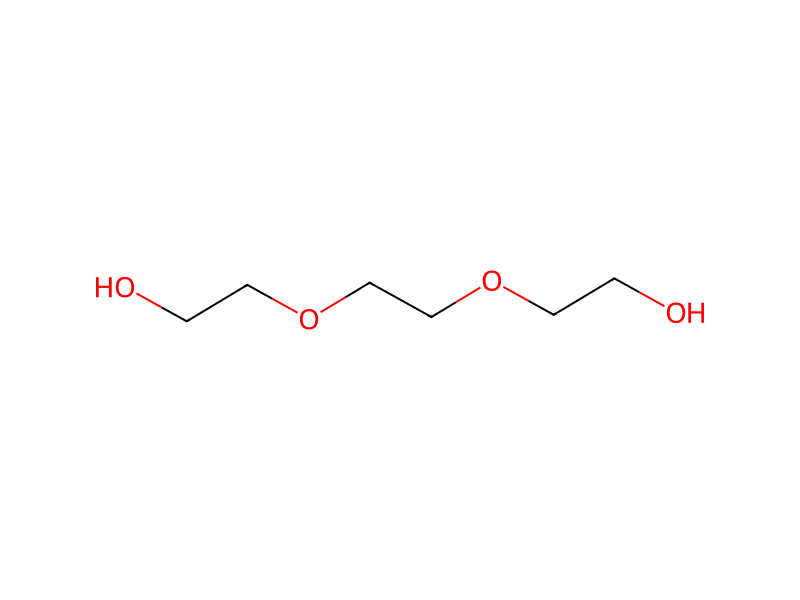
Heat 0.5 g of the title compound of Example 39 with 1 ml of hydrazine hydrate, 0.5 g of potassium hydroxide and 5 ml of triglycol for 2 hours at 165°. Cool the resulting reaction mixture to ambient temperature. Mix the cooled reaction mixture with water and diethyl ether. Dry the ether phase over sodium sulfate and then concentrate it to obtain 0.3 g of the title compound as a viscous oil.
Workup
- temperatureCool
- customthe resulting reaction mixture to ambient temperature
- additionMix
- dry with materialDry the ether phase over sodium sulfate
- concentrationconcentrate it
Sources & evidence
- ORD record
- ord-263ae71c66374e658004a1b702d7a9d6
- Source dataset
- uspto-grants-1980_09
- Patent number
- US04221788
Linked notes
Loading…