Reaction equation

[SH:1][C:2]1[N:7]=[CH:6][CH:5]=[CH:4][N:3]=1.Br[CH2:9][CH2:10][CH2:11][C:12]1C=C[CH:20]=[C:14]2[C:15]([NH:17][C:18](=[O:19])[C:13]=12)=O.[Na].[CH2:24]([OH:26])[CH3:25].O>C(O)C>[C:18]1(=[O:19])[N:17]([CH2:15][CH2:14][CH2:20][S:1][C:2]2[N:7]=[CH:6][CH:5]=[CH:4][N:3]=2)[C:24](=[O:26])[C:25]2=[CH:9][CH:10]=[CH:11][CH:12]=[C:13]12Participants
6
Reactant 4

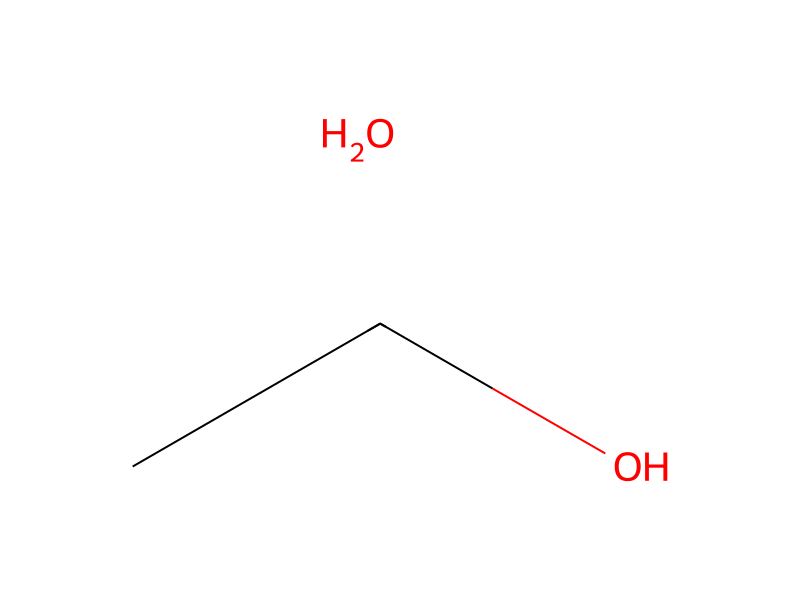


Product 1

Reagents, catalysts & solvents 1

Procedure
A mixture of 2-mercaptopyrimidine (5.6 g.) and 3-bromopropylphthalimide (13.4 g.) in ethanol (100 ml.) containing sodium (1.15 g.) was heated under reflux for 20 hours to give 2-(3-phthalimidopropylthio)pyrimidine, m.p. 81.5°-82.5° (from ethanol-water). Reaction of the phthalimido compound (3.7 g.) and hydrazine (1.86 g.) followed by reaction of the product directly with N-cyano-N',S-dimethylisothiourea by the procedure of Example 3(a) gives N-cyano-N'-methyl-N"-[3-(2-pyrimidylthio)propyl]guanidine.
Workup
- temperaturewas heated
- temperatureunder reflux for 20 hours
Sources & evidence
- ORD record
- ord-a83a4403f04949f0814eee6f308b82ad
- Source dataset
- uspto-grants-1980_09
- Patent number
- US04221802
Linked notes
Loading…