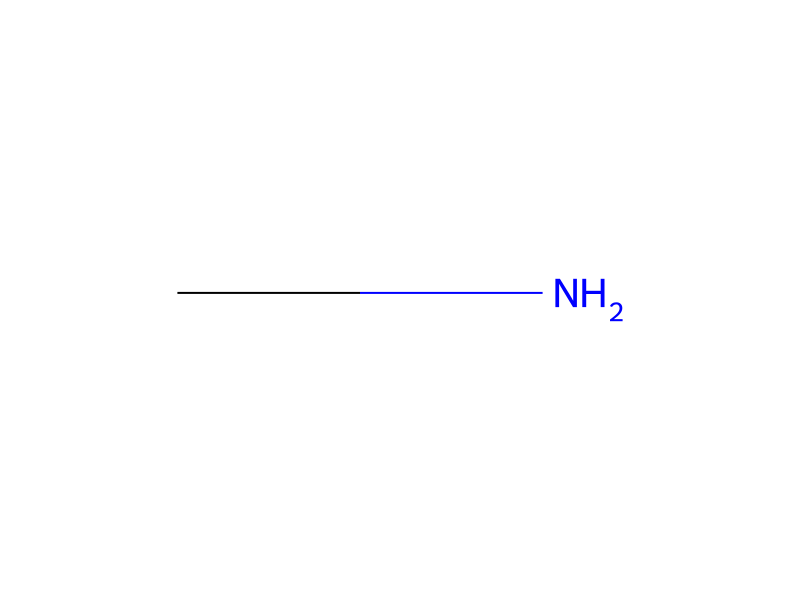
C1(CCCCOCCCCCCBr)C=CC=CC=1.C1(=O)NC(=O)C2=CC=CC=C12.[K].[C:31]1([CH2:37][CH2:38][CH2:39][CH2:40][O:41][C:42]2[CH:43]=[CH:44][CH:45]=[C:46]3[C:51](=O)[N:50](CCCCCC)C(=O)C=23)[CH:36]=[CH:35][CH:34]=[CH:33][CH:32]=1.CN>CC(C)=O.ClCCl>[C:31]1([CH2:37][CH2:38][CH2:39][CH2:40][O:41][CH2:42][CH2:43][CH2:44][CH2:45][CH2:46][CH2:51][NH2:50])[CH:36]=[CH:35][CH:34]=[CH:33][CH:32]=1A solution of 46.6 g (0.15 mol) of 6-(4-phenylbutoxy)-hexyl-bromide and 27.6 g (0.15 mol) of potassium phthalimide in 400 ml of acetone is refluxed for 70 hours. After cooling, the potassium bromide precipitated is removed by suction filtering and the solvent is distilled off in vacuo. The oily residue thus obtained, consisting of crude 6-(4-phenyl-butoxy)-N-hexyl-phthalimide, is stirred into 300 ml of dichloromethane and 300 ml of 40% methylamine solution overnight. The organic phase is separated off and the aqueous phase is extracted twice more with dichloromethane. The combined organic phases are dried over sodium sulphate and evaporated down in vacuo. The oily residue is dissolved in ether, the solids precipitated are filtered off and the filtrate is evaporated to dryness. The colorless oil remaining is distilled. Bp0.2 =143°-145° C.