HomeMCPWorkbenchSkills
HomeWorkbenchNotificationsMe
llms.txt · MCP GuidePrivacy Policy · Terms of Service · Supportv1.8.3
  1. Home
  2. /Reaction

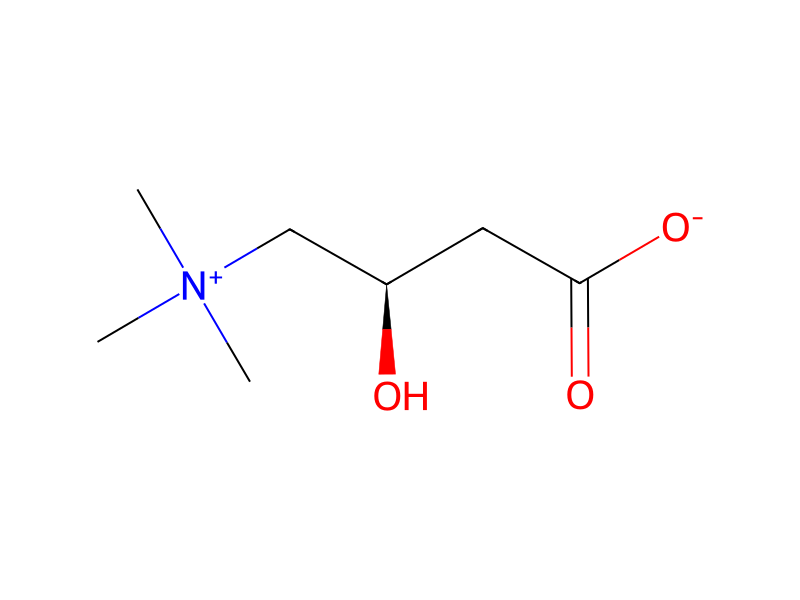
Acetaldehyde → (-)-Carnitine

HRID 27577
Print

Reaction equation

HRID 27577 reaction equation
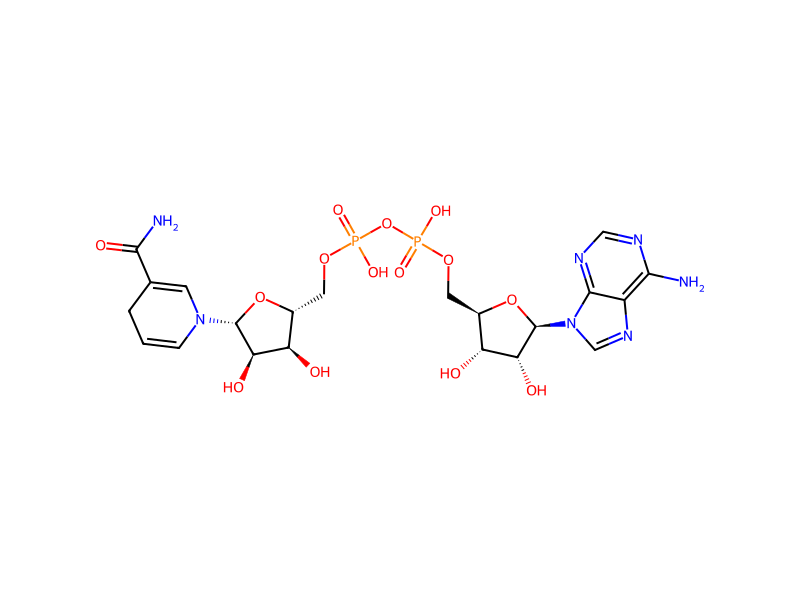
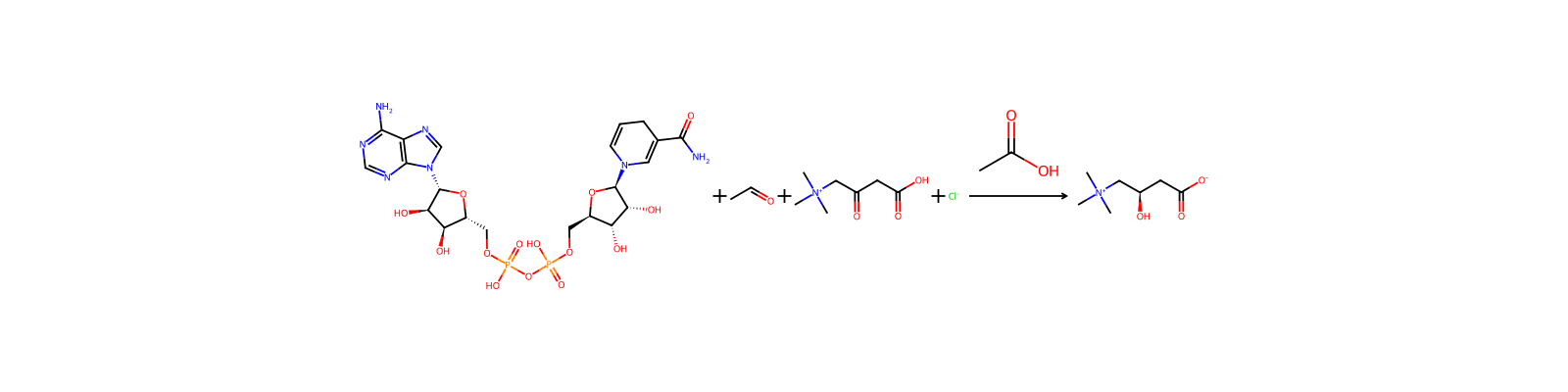
C1N=C(N)C2N=CN([C@@H]3O[C@H](COP(OP(OC[C@H]4O[C@@H](N5C=C(C(N)=O)CC=C5)[C@H](O)[C@@H]4O)(O)=O)(O)=O)[C@@H](O)[C@H]3O)C=2N=1.C(=O)C.[CH3:48][N+:49]([CH2:52][C:53]([CH2:55][C:56]([OH:58])=[O:57])=[O:54])([CH3:51])[CH3:50].[Cl-]>C(O)(=O)C>[OH:54][C@H:53]([CH2:55][C:56](=[O:57])[O-:58])[CH2:52][N+:49]([CH3:51])([CH3:48])[CH3:50]
ParticipantsProcedureSources & evidenceReaction notes

Participants

5

Reactant 3

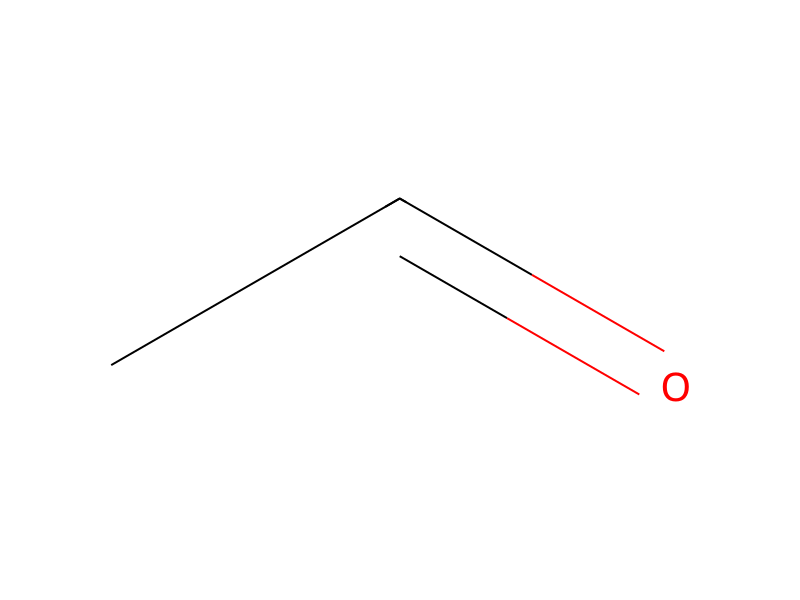
HCID 177AcetaldehydeHCID 439153NadhHCID 2724491(3-Carboxy-2-oxopropyl)trimethylammonium chloride

Product 1

HCID 10917(-)-CarnitineYield 77.5%

Reagents, catalysts & solvents 1

HCID 176Acetic AcidSolvent

Procedure

Carnitine was synthesized as in example 2, except that the NADH regeneration system comprised, in addition to alcohol dehydrogenase, aldehyde dehydrogenase (E.C. 1.2.1.5) which oxidizes the aldehyde (formed by action of alcohol dehydrogenase on ethanol) to acetic acid. Two molecules of NADH were formed from one molecule of ethanol (instead of one in the preceeding example) and the reaction balance was strongly displaced in favour of NADH and acetic acid formation. It was thus no longer necessary to eliminate acetaldehyde as in the preceeding example. The conditions were thus those of example 2, except that 125 units of purified aldehyde dehydrogenase (Boehringer ref. 171.832) were added to the reaction medium and nitrogen bubbling was omitted. After 24 hours, 0.764 g of L-carnitine was formed with a yield of 77.5% with respect to dehydrocarnitine hydrochloride.
Sources & evidence

ORD record
ord-69843a9b4f804ce7a10f54a4d2af355d
Source dataset
uspto-grants-1980_09
DOI
10.6084/m9.figshare.5104873.v1
Patent number
US04221869

Reaction notes

On this pageParticipantsProcedureSources & evidenceReaction notes