Reaction equation

N1C=CC=CC=1.Cl.[OH:8][CH:9]([C:17]1[CH:26]=[CH:25][C:24]([OH:27])=[C:23]2[C:18]=1[CH2:19][CH2:20][C:21](=[O:28])[NH:22]2)[CH:10]([NH:13][CH:14]([CH3:16])[CH3:15])[CH2:11][CH3:12].[C:29]([Cl:34])(=[O:33])[CH:30]([CH3:32])[CH3:31].C(OCC)C>CC(C)=O>[ClH:34].[OH:8][CH:9]([C:17]1[CH:26]=[CH:25][C:24]([O:27][C:29](=[O:33])[CH:30]([CH3:32])[CH3:31])=[C:23]2[C:18]=1[CH2:19][CH2:20][C:21](=[O:28])[NH:22]2)[CH:10]([NH:13][CH:14]([CH3:16])[CH3:15])[CH2:11][CH3:12]Participants
6
Reactant 4


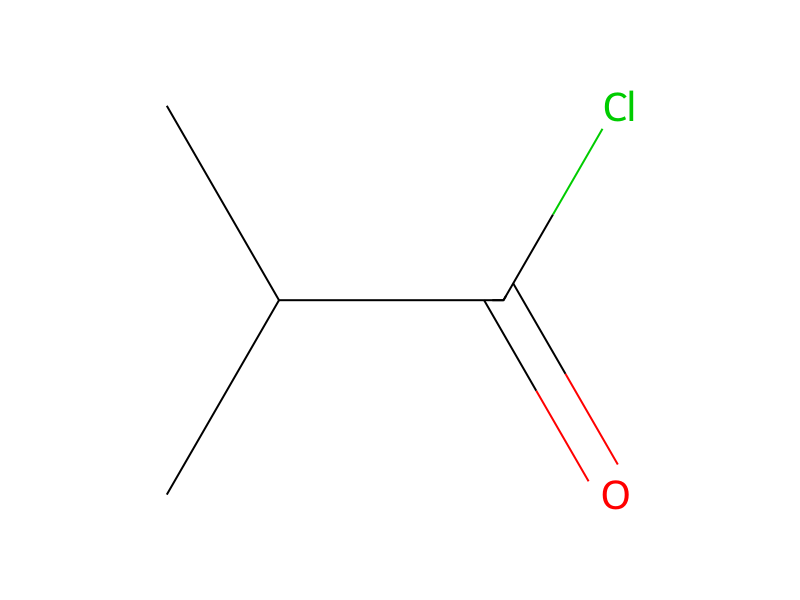

Product 1

Reagents, catalysts & solvents 1

Procedure
25 ml of pyridine was added to 1 g of 5-(1-hydroxy-2-isopropylaminobutyl)-8-hydroxy-3,4-dihydrocarbostyril hydrochloride, and 3 ml of isobutyryl chloride was added dropwise to the mixture while cooling with ice-water and stirring followed by stirring for 3 hours. After addition of about 200 ml of diethyl ether, acetone was added to the precipitate formed to obtain a crystalline product. The product thus obtained was recrystallized from acetone to obtain 0.8 g of 5-(1-hydroxy-2-isopropylaminobutyl)-8-isobutyryloxy-3,4-dihydrocarbostyril hydrochloride having a melting point of 239°-240° C. (with coloration and decomposition).
Workup
- additionwas added dropwise to the mixture
- stirringby stirring for 3 hours
- additionwas added to the precipitate
- customformed
- customto obtain a crystalline product
- customThe product thus obtained
- customwas recrystallized from acetone
Sources & evidence
- ORD record
- ord-3ba34678f508400ba2fa46962c693bc6
- Source dataset
- uspto-grants-1980_09
- Patent number
- US04223137
Linked notes
Loading…