Reaction equation

[N:1]1[CH:10]=[CH:9][CH:8]=[C:7]2[C:2]=1[C:3]([O:5][C:6]2=[O:11])=O.C(N1C2C(=CC=CC=2)C=C1C)CCCCCCC.C(N(CC)C1C=C(OCC)C=CC=1)C.C(OC(=O)C)(=O)C>[Cl-].[Zn+2].[Cl-].[Cl-].[Ca+2].[Cl-].C(O)(=O)C>[C:6]1([C:7]2[C:2](=[N:1][CH:10]=[CH:9][CH:8]=2)[CH2:3][O:5]1)=[O:11]Participants
8
Reactant 4



Product 1

Reagents, catalysts & solvents 3


Conditions
- Temperature
- 20 °C
Procedure
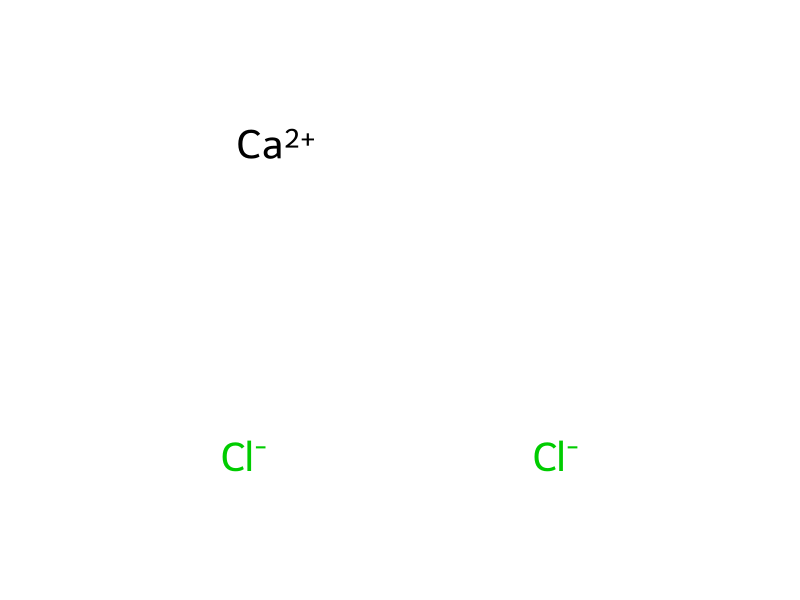
1.5 g of quinolinic anhydride, 2.3 g of N-octyl-2-methylindole, 10 ml of glacial acetic acid and a mixture of 0.11 g of calcium chloride and 0.14 g of zinc chloride are stirred at 20° C. for 5 hours. 1.6 g of 3-diethylaminophenetole and 2 ml of acetic anhydride are then added, after which the reaction mixture is stirred at 50° C. for 21/2 hours. The product is precipitated with 30% aqueous ammonia, separated from the aqueous phase and recrystallised from isopropanol, affording 3.8 g of the isomer-free 4-azaphthalide compound of the formula (12) of melting point 114°-117° C.
Workup
- stirringafter which the reaction mixture is stirred at 50° C. for 21/2 hours
- customThe product is precipitated with 30% aqueous ammonia
- customseparated from the aqueous phase
- customrecrystallised from isopropanol
Sources & evidence
- ORD record
- ord-d5dcf0b464df47328f34522762d0d446
- Source dataset
- uspto-grants-1986_05
- Patent number
- US04587539
Linked notes
Loading…