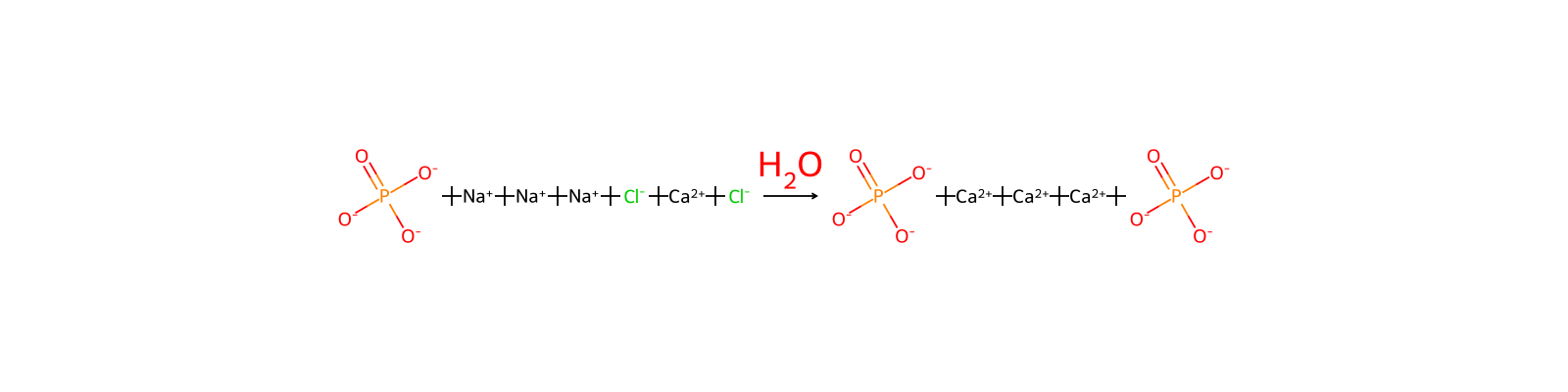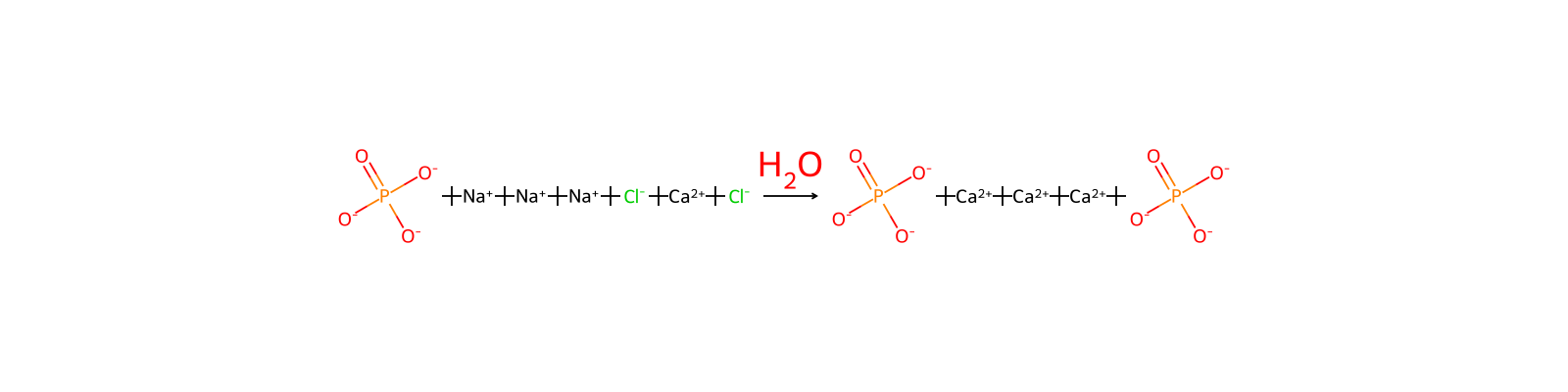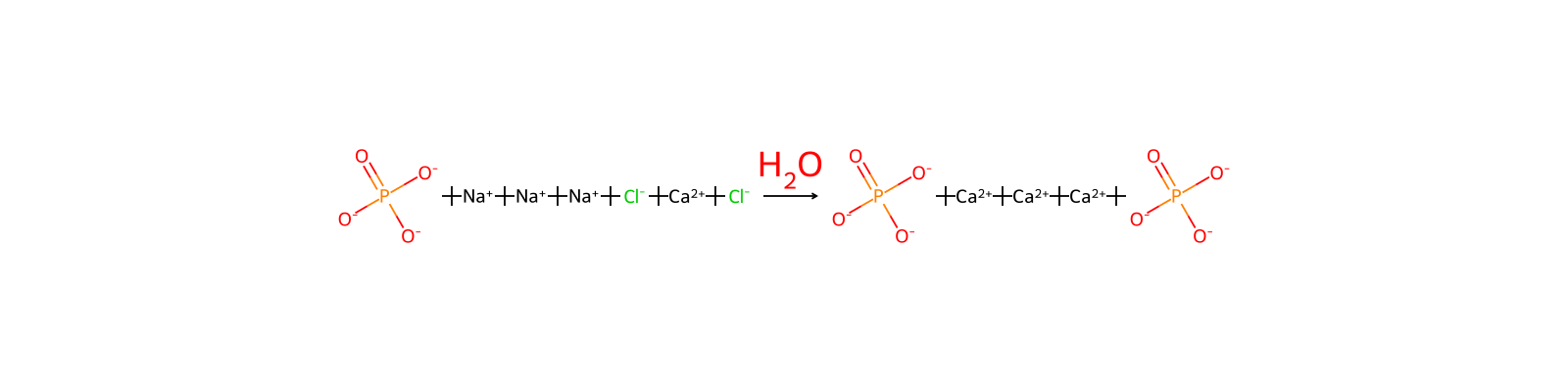
HRID 779As reactant
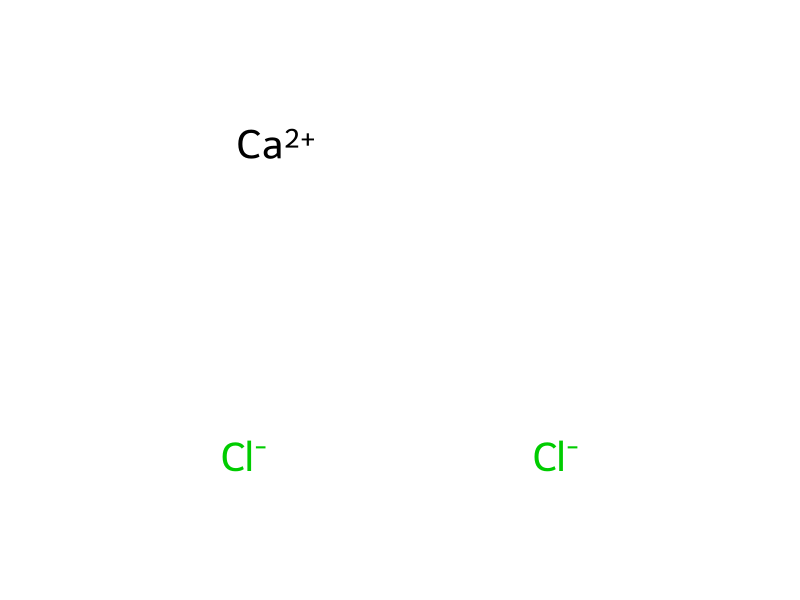
10043-52-4[Ca+2].[Cl-].[Cl-]UXVMQQNJUSDDNG-UHFFFAOYSA-LCalcium chloride is a white to off-white solid. Sinks and mixes with water. (USCG, 1999)
10043-52-4、14639-81-7DTXSID5020235CHEMBL1200668CHEBI:3312Fungicides, Plant Growth Regulators
Active substance -> EU Pesticides database: Not approved
2.15 at 68 °F (USCG, 1999) - Denser than water; will sink
2.15 g/cu cm at 25 °C
Hygroscopic granules, flakes or powder. Apparent (bulk) density: 0.835. Freely soluble in water, alcohol /Calcium chloride dihydrate/
Density (at 25 °C): 2.2 g/cm³
2.152 @25 °C
Safety information is for reference only and does not replace the supplier’s Safety Data Sheet (SDS), applicable regulations, or professional assessment.
Warning
H319: Causes serious eye irritation [Warning Serious eye damage/eye irritation]
P264+P265, P280, P305+P351+P338, and P337+P317 (click each P-code to see the statement)
This chemical does not meet GHS hazard criteria for 0.3% (12 of 3505) of reports.
Warning
H319 (99.7%): Causes serious eye irritation [Warning Serious eye damage/eye irritation]
Chemical: Calcium chloride (CaCl2)
Regulation (EC) No 178/2002 (amended)
Regulation (EC) No 1333/2008 (amended)
Calcium chloride (CaCl2) is listed on the EPA's Chemical Data Reporting (CDR) system. Manufacturers and importers of Calcium chloride (CaCl2) are required to report information about their production and use of this chemical to the EPA under the Toxic Substances Control Act (TSCA). (40 eCFR Part 711)
REACH registered substance: Calcium chloride (EC: 233-140-8)
Calcium chloride: Does not have an individual approval but may be used under an appropriate group standard
Inhalation causes irritation of nose and throat. Ingestion causes irritation of mouth and stomach. Contact with eyes (particularly by dust) causes irritation and possible transient corneal injury. Contact of solid with dry skin causes mild irritation; strong solutions can cause marked irritation, even a superficial burn. (USCG, 1999)
A - Alimentary tract and metabolism
G - Genito urinary system and sex hormones
B - Blood and blood forming organs
QB - Blood and blood forming organs
QA - Alimentary tract and metabolism
QG - Genito urinary system and sex hormones
Calcium is the fifth most abundant element in the body and the major fraction is in the bony structure. Calcium plays important physiological roles, many of which are poorly understood. It is essential for the functional integrity of the nervous and muscular systems. It is necessary for normal cardiac function and is one of the factors that operates in the mechanisms involved in the coagulation of blood.
Calcium chloride in water dissociates to provide calcium (Ca<sup>2+</sup>) and chloride (Cl<sup>-</sup>) ions. They are normal constituents of the body fluids and are dependent on various physiological mechanisms for maintenance of balance between intake and output. For hyperkalemia, the influx of calcium helps restore the normal gradient between threshold potential and resting membrane potential.
CALCAREA MURIATICA
Phosphate Chelating Activity [MoA]; Phosphate Binder [EPC]; Blood Coagulation Factor [EPC]; Increased Coagulation Factor Activity [PE]; Calcium [CS]; Cations, Divalent [CS]
CALCIUM CHLORIDE
Cations, Divalent [CS]; Calcium [CS]; Increased Coagulation Factor Activity [PE]; Blood Coagulation Factor [EPC]; Phosphate Binder [EPC]; Phosphate Chelating Activity [MoA]
White cubic crystals or powder
Cubic crystals, granules or fused masses
White .. lumps of flakes
Soluble in water and in ethanol
Soluble in methyl carbonate and acetic acid
Very soluble in ethanol
Freely soluble in water with liberation of much heat
81.3 g/100 g water at 25 °C
FDA approved drugs -> Active ingredient
FDA approved drugs -> Active ingredient
1935 °C
1670 °C
1935 °C @760 [mm Hg]
A skin and respiratory tract irritant; May cause ulcerations to nasal mucous membranes; May cause dry skin and redness; [ICSC] A skin, eye, and mucous membrane irritant; May cause lacrimation; [HSDB] May cause serious damage to eyes; [CHEMINFO] A severe irritant that may cause burns; [MSDSonline] See Calcium.
Substance added directly to human food affirmed as generally recognized as safe (GRAS).
Calcium chloride used as a general purpose food additive in animal drugs, feeds, and related products is generally recognized as safe when used in accordance with good manufacturing or feeding practice.
Calcium chloride used as a sequestrant in animal drugs, feeds, and related products is generally recognized as safe when used in accordance with good manufacturing or feeding practice.
The Approved Drug Products with Therapeutic Equivalence Evaluations identifies currently marketed prescription drug products, including calcium chloride, approved on the basis of safety and effectiveness by FDA under sections 505 of the Federal Food, Drug, and Cosmetic Act.
Residues of calcium chloride are exempted from the requirement of a tolerance when used in accordance with good agricultural practice as inert (or occasionally active) ingredients in pesticide formulations applied to animals. Use: stabilizer. Limit: none.
Residues of the following chemical substances are exempted from the requirement of a tolerance when used in accordance with good manufacturing practice as ingredients in an antimicrobial pesticide formulation, provided that the substance is applied on a semi-permanent or permanent food-contact surface (other than being applied on food packaging) with adequate draining before contact with food. ... (b) The following chemical substances when used as ingredients in an antimicrobial pesticide formulation may be applied to: Dairy processing equipment, and food-processing equipment and utensils. Calcium chloride is included on this list. Limit: When ready for use, the end-use concentration is not to exceed 17 ppm.
Residues of the following chemical substances are exempted from the requirement of a tolerance when used in accordance with good manufacturing practice as ingredients in an antimicrobial pesticide formulation, provided that the substance is applied on a semi-permanent or permanent food-contact surface (other than being applied on food packaging) with adequate draining before contact with food. ... (c) The following chemical substances when used as ingredients in an antimicrobial pesticide formulation may be applied to: Food-processing equipment and utensils. Calcium chloride is included on this list. Limit: When ready for use, the end-use concentration is not to exceed 17 ppm.
As the federal pesticide law FIFRA directs, EPA is conducting a comprehensive review of older pesticides to consider their health and environmental effects and make decisions about their continued use. Under this pesticide reregistration program, EPA examines newer health and safety data for pesticide active ingredients initially registered before November 1, 1984, and determines whether the use of the pesticide does not pose unreasonable risk in accordance to newer saftey standards, such as those described in the Food Quality Protection Act of 1996. Pesticides for which EPA had not issued Registration Standards prior to the effective date of FIFRA '88 were divided into three lists based upon their potential for human exposure and other factors, with List B containing pesticides of greater concern than those on List C, and with List C containing pesticides of greater concern than those on List D. Calcium chloride is found on List D. Case No: 4051; Pesticide type: Insecticide (Molluscicide), Fungicide, Herbicide, Antimicrobial; Case Status: RED Approved 09/93; OPP has made a decision that some/all uses of the pesticide are eligible for reregistration, as reflected in a Reregistration Eligibility Decision (RED) document.; Active ingredient (AI): Calcium chloride; AI Status: The active ingredient is no longer contained in any registered pesticide products ... "cancelled."
Bromine trifluoride rapidly attacks calcium chloride [Mellor 2 Supp. 1:164, 165 1956]. Long term exposure of calcium chloride solution upon a zinc coated galvanized iron vessel caused slow evolution of hydrogen which ignited and exploded [Bretherick, 5th Ed., 1995].
Fresh air, rest. Refer for medical attention.
Remove contaminated clothes. Rinse skin with plenty of water or shower. Refer immediately for medical attention.
Rinse with plenty of water for several minutes (remove contact lenses if easily possible). Refer immediately for medical attention.
Rinse mouth. Do NOT induce vomiting. Give one or two glasses of water to drink. Refer immediately for medical attention.
Storage space should be well ventilated.
Dry bulk calcium chloride can be stored in bins fabricated from most construction-grade steel materials. Care should be taken to minimize moisture. Venting should be limited to times of filling and discharging calcium chloride from the storage bin.
Liquid calcium chloride can be stored in either horizontal or vertical cylindrical tanks constructed of steel. Fiberglass and plastic may also be used within limits of strength and temperature.
Spill Control: Restrict access to spill site, call fire department and notify manufacturer, stop the flow and contain spill if safe to do so, keep contaminated water from entering sewers or water courses, and avoid contact with liquid and solid.
Emergency control Procedures: Soil; Construct barriers to contain spill and remove material by manual or mechanical means. Water; Contain by damming, water diversion or natural barriers.
When solid calcium chloride is spilled on land, shovel into containers (avoid dusting) for recovery or disposal.
SRP: The most favorable course of action is to use an alternative chemical product with less inherent propensity for occupational harm/injury/toxicity or environmental contamination. Recycle any unused portion of the material for its approved use or return it to the manufacturer or supplier. Ultimate disposal of the chemical must consider: the material's impact on air quality; potential migration in soil or water; effects on animal and plant life; and conformance with environmental and public health regulations.
Waste calcium chloride must never be discharged directly into sewers or surface waters.
SRP: The scientific literature for the use of contact lenses by industrial workers is inconsistent. The benefits or detrimental effects of wearing contact lenses depend not only upon the substance, but also on factors including the form of the substance, characteristics and duration of the exposure, the uses of other eye protection equipment, and the hygiene of the lenses. However, there may be individual substances whose irritating or corrosive properties are such that the wearing of contact lenses would be harmful to the eye. In those specific cases, contact lenses should not be worn. In any event, the usual eye protection equipment should be worn even when contact lenses are in place.
SRP: Local exhaust ventilation should be applied wherever there is an incidence of point source emissions or dispersion of regulated contaminants in the work area. Ventilation control of the contaminant as close to its point of generation is both the most economical and safest method to minimize personnel exposure to airborne contaminants. Ensure that the local ventilation moves the contaminant away from the worker.
WHERE POSSIBLE, PROCESSES SHOULD BE MECHANISED & ENCLOSED TO PREVENT DUST FORMATION ... ADEQUATE VENTILATION SHOULD BE INSTALLED TO COLLECT AIRBORNE DUST. ... SMOKING, DRINKING & EATING PROHIBITED @ WORKPLACE.
In the early growth phase of Sesamum indicum cv. PB-1, the decrease in fresh and dry mass was higher with 1.0 mM Cd2+ than with the same level of Pb2+ and Cu2+. Recovery from the metal stress was considerable in the root fresh weight and almost completely in the root dry weight when 10.0 mM (1.9 EC), calcium chloride was supplied to the growing seedlings along with the metal salts in various combinations. Accumulation of /divalent/ Pb, Cd and Cu was differential to the metals and the plant parts when supplied without or with 10.0 mM calcium chloride. The order of endogenous metal accumulation was Cu Cd Pb and roots accumulated more metal than the leaves in the absence, as well as in the presence, of calcium chloride. Calcium chloride could recover loss of in vivo NRA in roots caused by either of the metal combinations, whereas the salt could recover the loss in leaf NRA caused only by Pb---Cd (1.0 mM each). Response of root and leaf NRA was on the other hand, different when the enzyme was assayed directly using an in vitro assay method, and the salt accelerated the loss in enzyme activity drastically. The organic-N content of root and leaf was, however, increased significantly (p < 0.001) with calcium chloride alone and with the metals supplied in various combinations. /The/ data indicate that instead of a high endogenous accumulation of /divalent/ Cu, Cd and Pb in roots and leaves the metal toxicity is recovered to a great extent in the presence of 10.0 mM calcium chloride in the root environment regarding growth and nitrate reduction of the roots and leaves of young sesame seedlings.
Diltiazem is commonly used to treat atrial fibrillation or flutter (AFF) with rapid ventricular response (RVR). Although it is very effective for rate control, up to an 18% prevalence of reported diltiazem-induced hypotension (defined by systolic blood pressure (SBP) < 90 mm Hg), and a mean of 9.7% hypotension have been reported from several studies totaling over 450 patients. This hypotension may complicate therapy. /This study/ objective was to determine if calcium chloride (CaCl2) pre-treatment would blunt a SBP drop after i.v. diltiazem, while allowing diltiazem to maintain its efficacy. A prospective, randomized, double-blind, placebo-controlled study was conducted. Seventy-eight patients with AFF and a ventricular rate of > or = 120 beats per minute were enrolled. Half received i.v. CaCl2 pre-treatment; the other half received placebo. All patients then received i.v. diltiazem in a standard, weight-based dose. A second dose of CaCl2 pre-treatment or placebo and diltiazem was given if clinically indicated for additional rate control. Both CaCl2 and placebo pre-treatment groups had equal lowering of heart rate (p < 0.001). There were no adverse events in the calcium pre-treatment study arm. One patient in the placebo group became paradoxically more tachycardic and apneic after the diltiazem infusion. Although i.v. CaCl2 seems to be equally safe compared to placebo as a pre-treatment in the management of AFF with RVR, /the researchers/ were unable to find a statistically significant blunting of SBP drop with CaCl2 i.v. pre-treatment.
Catharanthus roseus (L.) G. Don. plants were grown with NaCl and CaCl2 in order to study the effect of CaCl2 on NaCl-induced oxidative stress in terms of lipid peroxidation (TBARS content), H2O2 content, osmolyte concentration, proline (PRO)-metabolizing enzymes, antioxidant enzyme activities, and indole alkaloid accumulation. The plants were treated with solutions of 80 mM NaCl, 80 mM NaCl with 5 mM CaCl2 and 5 mM CaCl2 alone. Groundwater was used for irrigation of control plants. Plants were uprooted randomly on 90 days after sowing (DAS). NaCl-stressed plants showed increased TBARS, H2O2, glycine betaine (GB) and PRO contents, decreased proline oxidase (PROX) activity, and increased gamma-glutamyl kinase (gamma-GK) activity when compared to control. Addition of CaCl2 to NaCl-stressed plants lowered the PRO concentration by increasing the level of PROX and decreasing the gamma-GK activities. Calcium ions increased the GB contents. CaCl2 appears to confer greater osmoprotection by the additive role with NaCl in GB accumulation. The antioxidant enzymes superoxide dismutase (SOD), peroxidase (POX) and catalase (CAT) were increased under salinity and further enhanced due to CaCl2 treatment. The NaCl-with-CaCl2-treated C. roseus plants showed an increase in total indole alkaloid content in shoots and roots when compared to NaCl-treated and untreated plants.
/This study was conducted/ to evaluate the hemodynamic effects of calcium chloride in a canine model of acute propranolol toxicity. Two minutes after the completion of a propranolol infusion (10 mg/kg), a bolus of 0.125 mL/kg 10% CaCl solution followed by an infusion of 0.375 mL/kg over the next 30 minutes or a bolus and subsequent infusion of an equivalent volume of normal saline solution was administered to each dog. CaCl yielded significant improvements in propranolol-induced decreases in cardiac index and stroke volume compared with saline solution-treated control animals (overall alpha = 0.05). Furthermore, CaCl administration resulted in earlier improvement in propranolol-induced alterations in mean arterial pressure, maximal left ventricular pressure change over time, and peripheral vascular resistance compared with saline solution (overall alpha = 0.05). We observed no difference between treatment groups in response to propranolol-induced bradycardia or QRS-interval prolongation. In this model of acute propranolol toxicity, CaCl therapy improved depressed hemodynamic status, mainly by a positive inotropic action.
For more Interactions (Complete) data for CALCIUM CHLORIDE (16 total), please visit the HSDB record page.
EC50; Species: Daphnia magna (Water Flea); Conditions: freshwater, static, 11.5-14.5 °C, pH 7.2-7.8, dissolved oxygen 5.2-6.5 mg/L; Concentration: 573060 ug/L for 24 hr (95% confidence interval: 448700-699000 ug/L); Effect: intoxication, immobilization /total Ca ion/
EC50; Species: Daphnia magna (Water Flea) age 4 hr; Conditions: freshwater, static, 25 °C; Concentration: 920000 ug/L for 64 hr; Effect: intoxication, immobilization
LC50; Species: Americamysis bahia (Opossum Shrimp) age 4-5 days; Conditions: saltwater, static, 25-27 °C, salinity 10 ppt; Concentration: 270000 ug/L for 48 hr
LC50; Species: Americamysis bahia (Opossum Shrimp) age 4-5 days; Conditions: saltwater, static, 25-27 °C, salinity 20 ppt; Concentration: 530000 ug/L for 48 hr
For more Ecotoxicity Values (Complete) data for CALCIUM CHLORIDE (27 total), please visit the HSDB record page.
/AQUATIC SPECIES/ Rock bass were killed by /calcium chloride/ concentration of 555 mg/L for 168 hr in tap water.
/PLANTS/ Catharanthus roseus (L.) G. Don. plants were grown with NaCl and CaCl2 in order to study the effect of CaCl2 on NaCl-induced oxidative stress in terms of lipid peroxidation (TBARS content), H2O2 content, osmolyte concentration, proline (PRO)-metabolizing enzymes, antioxidant enzyme activities, and indole alkaloid accumulation. The plants were treated with solutions of 80 mM NaCl, 80 mM NaCl with 5 mM CaCl2 and 5 mM CaCl2 alone. Groundwater was used for irrigation of control plants. Plants were uprooted randomly on 90 days after sowing (DAS). NaCl-stressed plants showed increased TBARS, H2O2, glycine betaine (GB) and PRO contents, decreased proline oxidase (PROX) activity, and increased gamma-glutamyl kinase (gamma-GK) activity when compared to control. Addition of CaCl2 to NaCl-stressed plants lowered the PRO concentration by increasing the level of PROX and decreasing the gamma-GK activities. Calcium ions increased the GB contents. CaCl2 appears to confer greater osmoprotection by the additive role with NaCl in GB accumulation. The antioxidant enzymes superoxide dismutase (SOD), peroxidase (POX) and catalase (CAT) were increased under salinity and further enhanced due to CaCl2 treatment. The NaCl-with-CaCl2-treated C. roseus plants showed an increase in total indole alkaloid content in shoots and roots when compared to NaCl-treated and untreated plants.
/PLANTS/ In the early growth phase of Sesamum indicum cv. PB-1, the decrease in fresh and dry mass was higher with 1.0 mM Cd(2+) than with the same level of Pb(2+) and Cu(2+). Recovery from the metal stress was considerable in the root fresh weight and almost completely in the root dry weight when 10.0 mM (1.9 EC), calcium chloride was supplied to the growing seedlings along with the metal salts in various combinations. Accumulation of Pb(2+), Cd(2+) and Cu(2+) was differential to the metals and the plant parts when supplied without or with 10.0 mM calcium chloride. The order of endogenous metal accumulation was Cu(2+), Cd(2+), Pb(2+) and roots accumulated more metal than the leaves in the absence, as well as in the presence, of calcium chloride. Calcium chloride could recover loss of in vivo NRA in roots caused by either of the metal combinations, whereas the salt could recover the loss in leaf NRA caused only by Pb(2+) - Cd(2+) (1.0 mM each). Response of root and leaf NRA was on the other hand, different when the enzyme was assayed directly using an in vitro assay method, and the salt accelerated the loss in enzyme activity drastically. The organic-N content of root and leaf was, however, increased significantly (p<0.001) with calcium chloride alone and with the metals supplied in various combinations. Our data indicate that instead of a high endogenous accumulation of Cu(2+), Cd(2+) and Pb(2+) in roots and leaves the metal toxicity is recovered to a great extent in the presence of 10.0 mM calcium chloride in the root environment regarding growth and nitrate reduction of the roots and leaves of young sesame seedlings.
Cough. Sore throat. Burning sensation.
Redness. Dry skin. Skin burns.
Redness. Pain. Burns.
Burns in mouth and throat. Nausea. Vomiting.
Estimated emissions of calcium chloride as one of the typical pollutants released from the synthetic organic chemical manufacturing industry (production/processing) may range from (unit process, product): halogenation, perchloroethylene, trace to 344; polymerization, acrylonitrile-butadiene-styrene resins, 0.25 to 8.8 (all in g/kg produced)(1).
/SIGNS AND SYMPTOMS/ This product contains aluminum that may be toxic. Aluminum may reach toxic levels with prolonged parenteral administration if kidney function is impaired. Premature neonates are particularly at risk because their kidneys are immature, and they require large amounts of calcium and phosphate solutions, which contain aluminum. Research indicates that patients with impaired kidney function, including premature neonates, who receive parenteral levels of aluminum at greater than 4 to 5 ug/kg/day accumulate aluminum at levels associated with central nervous system and bone toxicity. Tissue loading may occur at even lower rates of administration.
/SIGNS AND SYMPTOMS/ Calcium chloride is contraindicated for cardiac resuscitation in the presence of ventricular fibrillation or in patients with the risk of existing digitalis toxicity.
/SIGNS AND SYMPTOMS/ SIDE EFFECTS RESULT FROM TOO RAPID INJECTION; THESE INCL VASODILATION AND BURNING SENSATION IN SKIN. OVERDOSAGE CAN CAUSE HYPERCALCEMIA. ... EXTRAVASATION CAN CAUSE TISSUE NECROSIS.
/SIGNS AND SYMPTOMS/ INJECTED SC OR IM, SOL CALCIUM SALTS ARE INTENSELY IRRITATING ... INJECTED IV IONIZED CALCIUM SALTS MAY CAUSE SLOWING OF THE HEART RATE AND SINUS ARRHYTHMIA; IN TOXIC DOSES HEART BLOCK, EXTRASYSTOLES, AND VENTRICULAR FIBRILLATION ARE DESCRIBED. INJECTED CALCIUM MAY ALSO STIMULATE IN VIVO EPINEPHRINE RELEASE. /CALCIUM SALTS/
For more Human Toxicity Excerpts (Complete) data for CALCIUM CHLORIDE (11 total), please visit the HSDB record page.
Substance added directly to human food affirmed as generally recognized as safe (GRAS).
Calcium chloride used as a general purpose food additive in animal drugs, feeds, and related products is generally recognized as safe when used in accordance with good manufacturing or feeding practice.
Calcium chloride used as a sequestrant in animal drugs, feeds, and related products is generally recognized as safe when used in accordance with good manufacturing or feeding practice.
The Approved Drug Products with Therapeutic Equivalence Evaluations identifies currently marketed prescription drug products, including calcium chloride, approved on the basis of safety and effectiveness by FDA under sections 505 of the Federal Food, Drug, and Cosmetic Act.
Residues of calcium chloride are exempted from the requirement of a tolerance when used in accordance with good agricultural practice as inert (or occasionally active) ingredients in pesticide formulations applied to animals. Use: stabilizer. Limit: none.
Residues of the following chemical substances are exempted from the requirement of a tolerance when used in accordance with good manufacturing practice as ingredients in an antimicrobial pesticide formulation, provided that the substance is applied on a semi-permanent or permanent food-contact surface (other than being applied on food packaging) with adequate draining before contact with food. ... (b) The following chemical substances when used as ingredients in an antimicrobial pesticide formulation may be applied to: Dairy processing equipment, and food-processing equipment and utensils. Calcium chloride is included on this list. Limit: When ready for use, the end-use concentration is not to exceed 17 ppm.
Residues of the following chemical substances are exempted from the requirement of a tolerance when used in accordance with good manufacturing practice as ingredients in an antimicrobial pesticide formulation, provided that the substance is applied on a semi-permanent or permanent food-contact surface (other than being applied on food packaging) with adequate draining before contact with food. ... (c) The following chemical substances when used as ingredients in an antimicrobial pesticide formulation may be applied to: Food-processing equipment and utensils. Calcium chloride is included on this list. Limit: When ready for use, the end-use concentration is not to exceed 17 ppm.
As the federal pesticide law FIFRA directs, EPA is conducting a comprehensive review of older pesticides to consider their health and environmental effects and make decisions about their continued use. Under this pesticide reregistration program, EPA examines newer health and safety data for pesticide active ingredients initially registered before November 1, 1984, and determines whether the use of the pesticide does not pose unreasonable risk in accordance to newer saftey standards, such as those described in the Food Quality Protection Act of 1996. Pesticides for which EPA had not issued Registration Standards prior to the effective date of FIFRA '88 were divided into three lists based upon their potential for human exposure and other factors, with List B containing pesticides of greater concern than those on List C, and with List C containing pesticides of greater concern than those on List D. Calcium chloride is found on List D. Case No: 4051; Pesticide type: Insecticide (Molluscicide), Fungicide, Herbicide, Antimicrobial; Case Status: RED Approved 09/93; OPP has made a decision that some/all uses of the pesticide are eligible for reregistration, as reflected in a Reregistration Eligibility Decision (RED) document.; Active ingredient (AI): Calcium chloride; AI Status: The active ingredient is no longer contained in any registered pesticide products ... "cancelled."
Approximately 80% of body calcium is excreted in the feces as insoluble salts; urinary excretion accounts for the remaining 20%.
A rat placenta was dually perfused in situ with modified Krebs fluid. Perfusion was carried out through the femoral artery on the maternal side and through the umbilical artery on the fetal side. Transfer of 45Ca2+ and 3(H)L-glucose across the placenta was measured in the maternal-fetal direction. The transcellular component of the maternal-fetal transport of Ca2+, Jmf,tc, was estimated from transfer rates of the two tracers and from Ca2+ concentration in maternal perfusate, [Ca2+]m. At [Ca2+]m of l.l mM (physiological concentration of Ca2+ in plasma) Jmf,tc was 92.4 + or - 13.7 nM min-l (mean + or - SD), which is about 90% of the transport expected in an intact placenta. The permeability-surface area product (PS) of the placenta to 3(H)L-glucose was 13.8 + or - 3.9 uL min-l, about 4 times higher than that expected in intact placenta. Transport of 45Ca2+ chanced rapidly when [Ca2+]m was varied. Kinetic constants of the transcellular transport of Ca2+ are the Michaelis constant~ Km, = 0.45 mM and the maximum rate of transport, Vmax, = 116 nM min-l. It follows from this that at physiological levels of Ca2+, transport of Ca2+ to the fetus is relatively independent of changes in [Ca2+]m. Strontium and barium (SrCl2 and BaC12, l mM) decreased Jmf,tc; the response was prompt and reversible. Magnesium (2 mM) had no effect. Maternal-fetal transport of 85Sr2+ and 133Ba2+ was decreased rapidly and reversibly by elevating [Ca2+]m from 0.35 to 2 mM. These observations suggest that Sr2+ and Ba2+ are transported across tile placenta by the Ca2+ transport system. This means that the transport is not substrate specific. Cadrium (1 mM-CdCl2) decreased Jmf,tc irreversibly with some latency. The slowness of the response suggests a non-competitive inhibition. Cadmium (0.02 mM-CdCl2) was without effect on Jmf,tc. 7. A Ca2+ channel blocker, nifedipine (10 uM), administered to the maternal side had no effect on Jmf,tc. /calcium salts/
The paracellular and trancellular components of Ca+2 transfer across the perfused human placental cotyledon was dissected and the nature of the transcellular component was explored. Transfer of 45 Ca+2 and ethylenediaminetetraacetic acid labeled with chromiun (51)CR was measured across the in vitro perfused cotyledon of the human placenta and paracellular and transcellular components of the transfer of Ca+2 were calculated from the transfer of the two tracers. The transcellular component of the Ca+2 transfer in the maternal-fetal direction represented about one third of the total maternal-fetal transfer. It was saturable sensitive to cyanide and insensitive to verapamil. The transcellular component in the fetal-maternal direction was not different from zero. The in vitro transfer rates correlated well with the transfer rates estimated for the in vivo situation from data published in the literature. There is a significant active transport of Ca+2 across the human placenta in the maternal-fetal direction. /calcium salts/
Used as a pavement deicer, a drying and dehydrating agent for organic liquids and gases; a drainage aid in pulp and paper processing, a sizing and finishing agent for cotton fabrics, a desiccant in hydrocarbon processing, a coal thawing agent, a component of oil well drilling muds, a set accelerator in concrete, a tire ballast; a firming agent for fruits, a fire retardant, an additive to control scaffolding in blast furnaces, a humectant in adhesives, an additive in herbicides, an additive in plastics to control particle size, a component of blood and electrolyte replacements, and other medical and veterinary uses; [HSDB]
Petroleum Production and Refining [Category: Industry]
Both oil base and water base fracturing fluids are being used in the fracturing industry. Water base, which includes alcohol-water mixtures and low strength acids, make up the majority of treating fluids. The common chemicals added to these fluids are polymers for viscosity development, crosslinkers for viscosity enhancement, pH control chemicals, gel breakers for polymer degradation following the treatment, surfactants, clay stabilizers, alcohol, bactericides, fluid loss additives and friction reducer. /Hydraulic fracturing/
Hydraulic fracturing uses a specially blended liquid which is pumped into a well under extreme pressure causing cracks in rock formations underground. These cracks in the rock then allow oil and natural gas to flow, increasing resource production. ... Chemical Name: Calcium chloride; Chemical Purpose: Product Stabilizer; Product Function: Breaker.
For calcium chloride (USEPA/OPP Pesticide Code: 075605) there are 0 labels match. /SRP: Not registered for current use in the U.S., but approved pesticide uses may change periodically and so federal, state and local authorities must be consulted for currently approved uses./
The active ingredient is no longer contained in any registered pesticide products ... "cancelled."
The commercial product is about 94-97% calcium chloride, the chief impurity being Ca(OH)2 /calcium hydroxide/.
Includes alkali chlorides (as NaCl) and magnesium chloride
(1977) 36X10+9 G
(1982) 50X10+9 G
131,000 tons (1989)
(1977) 18X10+9 G
(1982) 55X10+9 G
2023: 1,000,000,000 - <5,000,000,000 lb
(1977) 6.58X10+11 G
(1982) 5.81X10+11 G
(1990) 1.38 billion lb
(1991) 1.29 billion lb
For more U.S. Production (Complete) data for CALCIUM CHLORIDE (8 total), please visit the HSDB record page.
PAVEMENT DEICER, 35%; DUST CONTROLLER, 20%; INDUSTRIAL PROCESSING, EG, HYDROCARBON, 20%; OIL & GAS WELL FLUIDS, 12%; SET ACCELERATOR IN CONCRETE, 5%; TIRE BALLAST, 4%; OTHER USES, EG, REFRIGERATION BRINES, FEED ADDITIVES, 4% (1980)
CHEMICAL PROFILE: Calcium chloride. Pavement de-icing, 40%; dust control and roadway base stabilization, 22%; industrial processing (including coal freeze-proofing), 20% oil and gas well fluids, 5%; concrete, 5%; tire ballast, 4%; miscellaneous.
CHEMICAL PROFILE: Calcium chloride. Demand: 1986: 750,000 tons; 1987: 760,000 tons; 1991 /projected/: 790,000.
Pavement deicing, 35%; dust control and roadway base stabilization, 22%; industrial processing (including coal freeze-proofing), 21%; oil and gas well fluids, 10%; concrete, 5%; miscellaneous, including tire ballast, 4%; export, 3%
Calcium chloride end uses in the United States:
PREPN: ACTION OF HYDROCHLORIC ACID ON CALCIUM CARBONATE & SUBSEQUENT CRYSTALLIZATION.
... Produced in commercial quantities by several processes: (1) refining of natural brines, (2) the reaction of calcium hydroxide with ammonium chloride in the Solvay (synthetic) soda ash production, and (3) the reaction of hydrochloric acid with calcium carbonate.
Parenteral: Injection: 10% (1.36-1.4 mEq of Ca++ and Cl- per mL), Calcium Chloride Injection (NOTE: Available from one or more manufacturer, distributor, and/or repackager by generic (nonproprietary) name)
Bulk: Powder: Calcium Chloride Powder (NOTE: Available from one or more manufacturer, distributor, and/or repackager by generic (nonproprietary) name)
The commercial product is about 94-97% calcium chloride, the chief impurity being Ca(OH)2 /calcium hydroxide/.
Calcium chloride is shipped in three basic forms: (1) flake, pebble and powdered form containing 77 to 80% calcium chloride, (2) solid, crystallized form containing 73 to 75% calcium chloride and (3) water solutions or liquors in any percentage with most common being 71%, 45%, and 32%.
ASTM D98-80 77%, 90% and 94% grades contains a minimum of 77, 90 and 94% calcium chloride with 6.8-8% max of alkali chlorides (as NaCl), 0.43-0.5% max magnesium chloride and 0.85-1.0% max other impurities excluding water
EPA Safer Chemical Functional Use Classes -> Enzymes and Enzyme Stabilizers;Processing Aids and Additives
Safer Chemical Classes -> Green circle - The chemical has been verified to be of low concern
Food additives
Food Additives -> FIRMING_AGENT -> JECFA Functional Classes
Cosmetics -> Viscosity controlling
UsesCalcium chloride (CaCl2) has many uses. It is used as a drying agent and to melt ice and snow on highways, to control dust, to thaw building materials (sand, gravel, concrete, and so on). It is also used in various food and pharmaceutical industries and as a fungicide.
DescriptionTumorigen,Mutagen, Human Data; Hormone. Calcium chloride is usedas road salt for melting snow, a drying agent in desiccators,for dehydrating organic liquids and gases, in refrigerationbrines and antifreeze, as a dust-proofing agent, food additive, concrete hardening accelerator, and others.Incompatibilities: The solution in water is a weak base.Reacts with zinc in presence of moisture, forming highly526 Calcium chlorideflammable hydrogen gas. Dissolves violently in waterwith generation of much heat. Incompatible with water,bromine trifluoride; 2-furan, percarboxylic acid. Mayattack some building materials and metals in the presenceof moisture.
OccurrenceCalcium chloride may be found in nature as the mineral tachhydrite, CaCl22MgCl212H2O. It also is found in other minerals. Its concentration in sea water is about 0.15%.Calcium chloride has several industrial applications. The major applications of this compound are in deicing of roads, dust control, imparting stability to roads and buildings, and to improve traction in tractor tires. It is mixed with ice to make freezing mixtures. Hexahydrate mixed with crushed ice can lower the temperature of the cooling bath to below -50°C. It also is used as a desiccant for dehydrating gases and liquids. It is added to cement in various proportions to manufacture different types of concrete. Other uses are in adhesives, to lower gel temperatures, and as a calcium source in liquid feed supplements for dairy cattle. Also, the compound is used to control particle size development and reduce coalescence in plastics.
UsesCalcium chloride is one of the most versatile of the basic chemicals.It has several common applications such as brine for refrigeration plants, ice and dust control on roads, and in concrete. The anhydrous salt is also widely used as a desiccant, where it will absorb so much water that it will eventually dissolve in its own crystal lattice water (water of hydration). It can be produced directly from limestone, but large amounts are also produced as a by-product of the “Solvay Process” (which is a process to produce soda ash from brine). Calcium chloride is also commonly used as an additive in swimming pool water as it increases the “calcium hardness” value for the water.Other industrial applications include use as an additive in plastics, as a drainage aid for wastewater treatment, as an additive in fire extinguishers, as an additive in control scaffolding in blast furnaces, and as a thinner in “fabric softeners”. Calcium chloride is commonly used as an “electrolyte” and has an extremely salty taste, as found in sports drinks and other beverages such as Nestle bottled water. It can also be used as a preservative to maintain firmness in canned vegetables or in higher concentrations in pickles to give a salty taste while not increasing the food’s sodium content. It is even found in snack foods, including Cadbury chocolate bars.In brewing beer, calcium chloride is sometimes used to correct mineral deficiencies in the brewing water. It affects flavor and chemical reactions during the brewing process, and it can also affect yeast function during fermentation. Calcium chloride can be injected as intravenous therapy for the treatment of “hypocalcemia” (low serum calcium). It can be used for insect bites or stings (such as Black Widow spider bites), sensitivity reactions, particularly when characterized by “urticaria” (hives).
UsesObtained as a by-product in the manufacture of potassium chlorate. The white crystals, soluble in water and alcohol, are deliquescent and must be kept in a well-stoppered bottle. Calcium chloride was used in iodized collodion formulas and in collodion emulsions. It was also an important desiccating substance used in tin calcium tubes designed to store presensitized platinum papers.
UsesFor the treatment of hypocalcemia in those conditions requiring a prompt increase in blood plasma calcium levels, for the treatment of magnesium intoxication due to overdosage of magnesium sulfate, and used to combat the deleterious effects of hyperkalemi
UsesCalcium chloride is highly hygroscopic and is often used as a desiccant.
Usescalcium chloride is an astringent. It also helps improve the reaction among certain ingredients used in cosmetic formulations. This inorganic salt is no longer commonly used in skin care products and is being replaced with potassium chloride.
UsesCalcium Chloride is a general purpose food additive, the anhydrous form being readily soluble in water with a solubility of 59 g in 100 ml of water at 0°c. it dissolves with the liberation of heat. it also exists as calcium chloride dihydrate, being very soluble in water with a solubility of 97 g in 100 ml at 0°c. it is used as a firming agent for canned tomatoes, potatoes, and apple slices. in evaporated milk, it is used at levels not more than 0.1% to adjust the salt balance so as to prevent coagulation of milk during sterilization. it is used with disodium edta to protect the flavor in pickles and as a source of calcium ions for reaction with alginates to form gels.
General DescriptionCalcium Chloride (CaCl2) is a water soluble ionic crystal with a high enthalpy change of solution. It is majorly derived from limestone and is a by-product of the Solvay process. It is an anhydrous salt that has a hygroscopic nature and can be used as a desiccant.
PreparationCalcium chloride is obtained as a by-product in the manufacture of sodium carbonate (soda ash) by ammonia-soda (Solvay) process. The process involves the reaction of sodium chloride with calcium carbonate and ammonia. Calcium chloride is currently produced in bulk amounts by evaporation of natural underground brines. In the laboratory, calcium chloride can be prepared by treating limestone with hydrochloric acid followed by evaporation of solution to obtain crystals. The crystals are dehydrated to obtain anhydrous salt. Calcium oxide or hydroxide may be used instead of carbonate.
Definitioncalcium chloride: A white deliquescentcompound, CaCl2, which issoluble in water; r.d. 2.15; m.p.782°C; b.p. >1600°C. There are anumber of hydrated forms, includingthe monohydrate, CaCl2.H2O, the dihydrate,CaCl2.2H2O (r.d. 0.84), andthe hexahydrate, CaCl2.6H2O (trigonal;r.d. 1.71; the hexahydrate loses4H2O at 30°C and the remaining2H2O at 200°C). Large quantities of itare formed as a byproduct of theSolvay process and it can be preparedby dissolving calcium carbonateor calcium oxide in hydrochloricacid. Crystals of the anhydrous saltcan only be obtained if the hydratedsalt is heated in a stream of hydrogenchloride. Solid calcium chloride isused in mines and on roads to reducedust problems, whilst the molten saltis the electrolyte in the extraction ofcalcium. An aqueous solution of calciumchloride is used in refrigerationplants.
/PLANTS/ The present investigation was conducted to determine whether CaCl2 increases Catharanthus roseus drought tolerance and if such tolerance is correlated with changes in oxidative stress, osmoregulation and indole alkaloid accumulation. C. roseus plants were grown under water deficit environments with or without CaCl2. Drought induced oxidative stress was measured in terms of lipid peroxidation (LPO) and H2O2 contents, osmolyte concentration, proline (PRO) metabolizing enzymes and indole alkaloid accumulation. The plants under pot culture were subjected to 10, 15 and 20 days interval drought (DID) stress and drought stress with 5 mM CaCl2 and 5 mM CaCl2 alone from 30 days after planting (DAP) and regular irrigation was kept as control. The plants were uprooted on 41 DAS (10 DID), 46 DAS (15 DID) and 51 DAS (20 DID). Drought stressed plants showed increased LPO, H2O2, glycine betaine (GB) and PRO contents and decreased proline oxidase (PROX) activity and increased gamma-glutamyl kinase (gamma-GK) activity when compared to control. Addition of CaCl2 to drought stressed plants lowered the PRO concentration by increasing the level of PROX and decreasing the gamma-GK activities. Calcium ions increased the GB contents. CaCl2 appears to confer greater osmoprotection by the additive role with drought in GB accumulation. The drought with CaCl2-treated C. roseus plants showed an increase in total indole alkaloid content in shoots and roots when compared to drought stressed and well-watered plants.